
Transforming Toronto yards into stunning outdoor retreats requires a delicate balance of aesthetics, sustainability, and client satisfaction. How can homeowners achieve lush, vibrant spaces that withstand seasonal shifts and urban challenges? The secret lies in thoughtful landscape design that integrates native plants, durable materials, and eco-friendly practices. From maximizing small spaces with vertical gardens to incorporating rain gardens and permeable surfaces, each element serves both beauty and environmental health. The process is a dance of clear communication, precise installation, and innovative thinking—ensuring every detail aligns with the homeowner’s vision. As trends evolve, smart irrigation, recycled materials, and modular planting systems are shaping the future of sustainable outdoor spaces. But amidst these advancements, the question remains: how do these innovative strategies create resilient, personalized retreats that enhance everyday life while protecting Toronto’s environment? This guide invites you to discover the art and science behind landscapes that wow and last a lifetime.
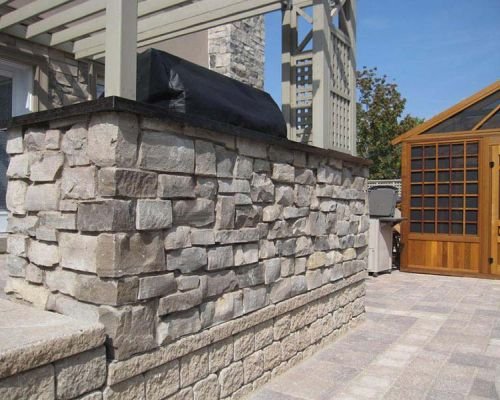
Transform Your Toronto Yard into a Personal Outdoor Retreat
Transforming Toronto yards into inviting outdoor retreats goes beyond simply planting flowers or laying paving stones. It’s about creating spaces that reflect personal style while being practical and sustainable. As homeowners seek to make the most of limited space and adapt to our changing climate, thoughtful landscape design becomes essential. A well-designed yard can boost curb appeal, offer a private oasis, and serve as a versatile area for relaxing or entertaining.
This process begins with a clear vision that aligns with the homeowner’s lifestyle and preferences. Whether it’s a cozy fire pit corner for gatherings, a sleek modern look, or a family-friendly play zone, understanding these priorities guides every decision. The goal is to balance aesthetic appeal with eco-conscious choices—using native plants, durable materials, and sustainable features that thrive in Toronto’s weather. This approach ensures the yard remains vibrant and low-maintenance over time, adapting seamlessly to seasonal shifts.
Smart planning is key to maximizing space. Vertical gardens, compact hardscapes, and native plantings help small yards feel larger and more inviting without sacrificing style or functionality. Incorporating sustainable practices like rain gardens or permeable pavers not only enhances beauty but also supports environmental health by managing stormwater and reducing runoff. These elements turn practical considerations into attractive features that elevate the overall outdoor experience.
Creating a personal outdoor retreat involves blending innovation with durability. Features like solar lighting, modular planting systems, and eco-friendly materials add both visual interest and functionality. When integrated thoughtfully, these elements build resilient spaces that are environmentally responsible and uniquely tailored to each homeowner’s needs. The result is a landscape that’s as beautiful as it is sustainable.
Ultimately, transforming a yard into a stunning outdoor space is an investment in daily life. It reflects individual style, promotes sustainability, and is designed to withstand Toronto’s seasonal changes. Done right, these yards stand the test of time—beautiful, functional, and ready to be enjoyed for years to come. It’s about crafting outdoor retreats that enrich everyday living and create lasting memories.
Master the Principles of Effective Landscape Design in Toronto
Effective landscape design in Toronto depends on a few core principles that help create outdoor spaces that are both beautiful and practical. Balance is essential—distributing hardscapes like pathways and patios alongside lush planting beds to achieve a cohesive look. When these elements are chosen with care, they work together to guide the eye naturally across the yard, making the space feel both inviting and well-organized. Using materials and color schemes that complement each other further reinforces this sense of unity, ensuring the landscape feels intentional rather than cluttered.
Focal points are vital for adding interest and guiding movement within the yard. Whether it’s a striking tree, a sculpture, or a cozy fire pit, these features anchor the design and draw the eye. Positioning them thoughtfully creates visual flow, making the space feel more dynamic and purposeful. Considering Toronto’s climate, selecting native plants that are well-adapted to local conditions reduces ongoing maintenance and enhances resilience, so the yard remains vibrant throughout the seasons.
Designing with purpose involves dividing the yard into distinct zones—such as a seating area for entertaining, a play zone for children, or a vegetable garden. This zoning maximizes the use of space, keeps the yard organized, and prevents it from feeling overcrowded. It allows homeowners to enjoy different areas for specific activities, making the outdoor environment more versatile and inviting. Proper zoning also supports a seamless transition between functional spaces, adding to the overall harmony of the landscape.
Native plants and durable materials are at the heart of sustainable landscaping. Native species are naturally suited to Toronto’s weather, requiring less water, fertilizer, and pesticides, which simplifies upkeep. Permeable surfaces like pavers or natural stone support water absorption and help manage stormwater runoff, especially during heavy rains. Incorporating these environmentally friendly choices not only improves the health of the landscape but also ensures it can withstand seasonal changes with minimal fuss.
Involving homeowners in the design process is crucial. Understanding their lifestyle, style preferences, and maintenance expectations allows for a personalized approach that truly reflects their vision. Whether they prefer low-maintenance gardens or lush green retreats, translating these desires into practical design elements creates a space that feels authentic and tailored. Clear communication and detailed planning help ensure the project stays on track and aligns with client expectations.
Attention to detail during installation makes all the difference. Precise plant placement, clean hardscaping, and careful execution reflect craftsmanship that elevates the finished yard. When every element is thoughtfully installed, the landscape looks polished and professional, giving homeowners confidence that their investment will last. Managing logistics efficiently—from scheduling trades to coordinating material deliveries—ensures a smooth process and a final result that meets or exceeds expectations. This strategic approach lays the foundation for outdoor spaces that are both stunning and sustainable, built to be enjoyed for years to come.
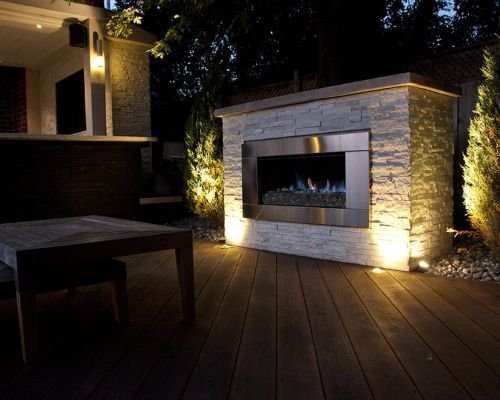
Incorporate Eco-Friendly Practices for a Sustainable Outdoor Space
Integrating eco-friendly practices into outdoor space renovations is a natural extension of thoughtful landscape design. Choosing water-efficient systems like drip irrigation and rain sensors helps homeowners significantly cut water usage while keeping gardens lush and healthy. Pairing these tools with drought-tolerant native plants not only conserves resources but also ensures the landscape remains vibrant during Toronto’s dry spells, reducing the need for frequent watering and chemical inputs.
Native plants are the backbone of sustainable landscaping. Adapted to Toronto’s climate, they require less water, fertilizer, and pesticides, making maintenance simpler and more eco-conscious. Incorporating local species supports pollinators and wildlife, fostering a balanced ecosystem right in the backyard. Their resilience means landscapes stay lush through seasonal changes, minimizing intervention and boosting long-term sustainability.
Eco-conscious materials further enhance the environmental integrity of outdoor renovations. Permeable pavers and natural stone promote water absorption, helping to manage stormwater runoff and prevent erosion. Using recycled aggregates or sustainably sourced woods in pathways, decks, or accents reduces the carbon footprint of the project and ensures durability. These materials often require less replacement over time, contributing to a more sustainable outdoor space that ages gracefully.
Features like rain gardens and natural filtration systems turn stormwater management into visual assets. Rain gardens, planted with native, water-tolerant species, absorb excess runoff, recharge groundwater, and prevent erosion—all while adding aesthetic appeal. These systems work seamlessly within the landscape, mimicking natural water cycles and supporting local ecosystems without disrupting the yard’s visual harmony.
Technology also plays a vital role in sustainable outdoor upgrades. Solar-powered lighting and energy-efficient outdoor fixtures provide ambient illumination without increasing energy consumption. Some designs incorporate solar panels into furniture or hardscape features, blending renewable energy seamlessly into the landscape. These innovations create inviting, eco-friendly outdoor environments that are both beautiful and responsible.
Choosing sustainable practices benefits homeowners beyond environmental impact. Native plants and eco-friendly materials typically require less care, saving time, effort, and ongoing expenses. Reduced water and chemical use contribute to healthier, more resilient landscapes that thrive with minimal intervention. Over time, these choices build outdoor retreats that remain vibrant, easy to maintain, and aligned with Toronto’s broader sustainability goals.
Ensure Client Satisfaction with Seamless Design and Installation
Ensuring a seamless design and installation process is essential for transforming a homeowner’s vision into a stunning outdoor space they’ll love. It starts with clear, open communication from the very first consultation, helping clients understand each step and set realistic expectations. When designers and contractors listen carefully and translate ideas into detailed plans, it builds trust and minimizes surprises along the way.
A well-organized schedule keeps the project moving smoothly. Coordinating design revisions, material orders, and construction phases in a logical order prevents delays and keeps everyone on the same page. Regular updates during each stage allow homeowners to stay involved, ask questions, and provide feedback, making the process more collaborative and less stressful.
Managing expectations is also key. Unforeseen issues like soil conditions or weather can sometimes impact timelines. Addressing these challenges honestly and early helps clients adjust plans without frustration. When problems do arise, quick and transparent communication preserves trust and keeps the project on track to meet the original vision.
Attention to detail during installation makes a significant difference in the final look. Precise plant placement, neat hardscaping, and careful execution reflect craftsmanship that elevates the entire landscape. When every element is thoughtfully handled, the finished yard appears polished and professional, giving homeowners confidence that their investment will stand the test of time.
Logistics play a crucial role in delivering quality results. Coordinating with suppliers and scheduling trades ensures materials arrive on time and work proceeds without interruption. This careful planning helps avoid last-minute surprises and guarantees that each phase aligns with the overall design intent.
When every part of the process is managed with care and precision, the result is a cohesive outdoor space that closely matches the homeowner’s dreams. This seamless blend of design, communication, and craftsmanship not only creates a beautiful landscape but also leaves clients satisfied, confident, and eager to enjoy their new outdoor retreat for years to come.
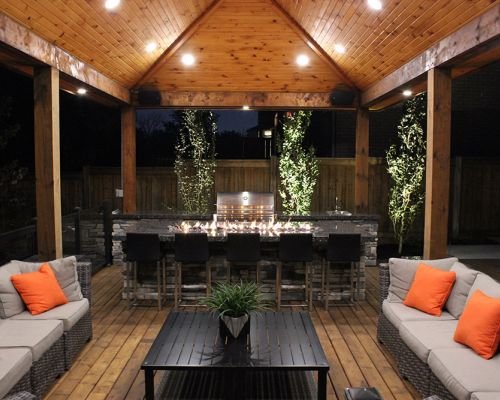
Discover Future Trends Shaping Toronto’s Sustainable Outdoor Spaces
Emerging trends are set to transform outdoor spaces in Toronto, making them more sustainable, functional, and visually striking. One of the most promising innovations is smart irrigation technology. Using weather data, soil moisture sensors, and real-time adjustments, these systems optimize watering schedules, drastically reducing water waste. This means lush gardens during dry spells without unnecessary overwatering, aligning perfectly with Toronto’s climate variability.
Recycled and eco-friendly materials are increasingly popular in landscape construction. Permeable pavers, recycled aggregates, and sustainably sourced woods are now common choices. They promote water absorption, reduce runoff, and lower the carbon footprint of projects. These durable materials not only support environmental goals but also stand the test of time, making landscapes more resilient and easier to maintain.
Vertical gardens and modular planting systems are expanding possibilities for small yards and urban settings. These innovative solutions maximize greenery in tight spaces, offering lush plantings or even vegetable gardens where square footage is limited. They bring nature into city living, enhance air quality, and add a vibrant, lively element to outdoor retreats that feel both modern and welcoming.
Solar-powered lighting and energy-efficient fixtures are evolving beyond basic functionality, becoming seamlessly integrated into landscape designs. Solar panels are now incorporated into fixtures, furniture, and hardscape features, creating energy-efficient solutions that enhance ambiance after sunset. These innovations help craft inviting outdoor environments that are as eco-conscious as they are beautiful, supporting Toronto’s push toward greener living.
Designers are paying more attention to resilience and adaptability. Native, drought-tolerant plants are chosen for their ability to withstand Toronto’s shifting climate. These choices reduce watering needs and maintenance, ensuring landscapes stay vibrant throughout the seasons. Incorporating such resilient species makes outdoor spaces more durable, less dependent on continual care, and better suited for long-term sustainability.
Natural features like rain gardens and water filtration systems are gaining traction, transforming stormwater management into landscape focal points. Rain gardens, planted with native species, absorb excess runoff, recharge groundwater, and prevent erosion—all while adding visual interest. These systems mimic natural water cycles, supporting local ecosystems and enhancing the yard’s aesthetic without disrupting harmony.
The integration of innovative technology and eco-friendly practices is shaping a future where outdoor spaces are more than just beautiful—they’re smart, sustainable, and resilient. These trends reflect a broader move toward landscapes that adapt to Toronto’s environment, conserve resources, and support biodiversity. Homeowners and designers are embracing these innovations to create outdoor retreats that will remain vibrant and environmentally responsible for years to come.