In a world dominated by screens and rapid digital interactions, can tending a garden side by side truly forge deeper emotional bonds? This compelling exploration reveals that gardening together isn’t just about nurturing plants—it’s a profound act of connection and healing. Through simple routines like planting, watering, and pruning, individuals cultivate patience, trust, and empathy, transforming routine chores into shared rituals of love and mutual care. Historically, cultures worldwide have used gardens as symbols of resilience and community, illustrating that caring for life fosters emotional resilience across generations. As plants flourish under collective effort, so do relationships, blossoming through consistent attention and gentle effort. This peaceful, mindful practice offers a sanctuary from modern chaos, reminding us that growth—whether in a garden or a relationship—takes time and tenderness. Could these quiet acts of tending be the key to nurturing resilience and authentic connection in our busy lives?
Cultivating Connection: How Gardening Builds Emotional Bonds
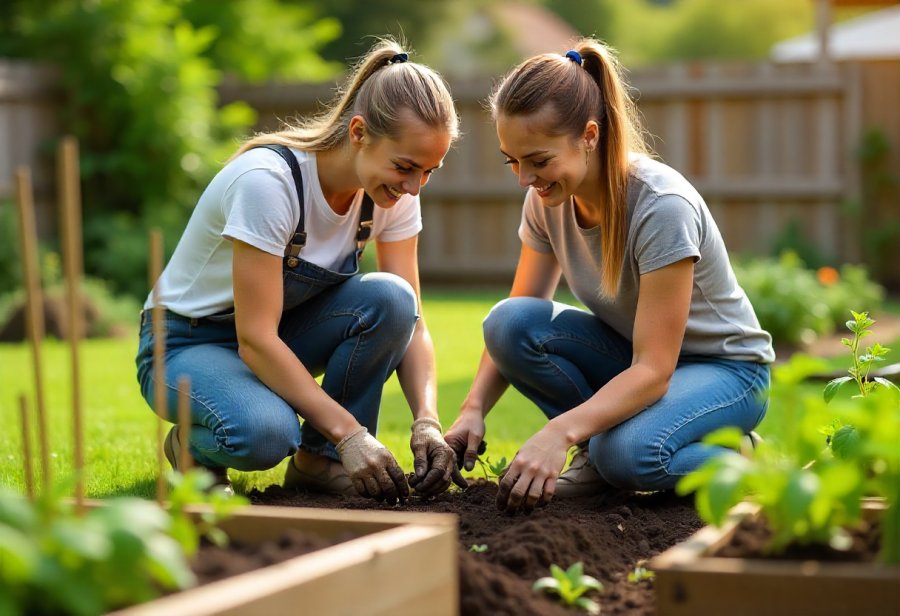
Gardening side by side isn’t just about cultivating plants; it’s a quiet act of building connection. When two or more people work together in a garden, they create a space where emotional bonds can develop naturally. The simple routines of digging, watering, and pruning become more than chores—they turn into shared experiences that foster trust and understanding. In an age dominated by screens and digital interactions, these real-world moments offer a refreshing way to reconnect with loved ones and oneself.
The act of tending to living things together encourages patience and cooperation—traits that are essential for any meaningful relationship. Watching a tiny seed sprout or a flower bloom through shared effort can evoke a sense of collective achievement. These small victories mirror the growth of trust and emotional intimacy, reminding us that nurturing life is a gentle act of care that can extend to our relationships as well.
Throughout history, cultures around the world have used gardening as a tool for community and healing. Ancient communal gardens in China brought families and neighbors together, strengthening bonds through shared labor. Japanese Zen gardens symbolize harmony and patience, offering spaces for reflection and emotional balance. Indigenous planting rituals carry stories and values, turning gardens into symbols of resilience and renewal. These examples highlight that caring for plants is more than just a practical task—it’s a universal language of emotional expression.
When people tend a garden together, they learn to communicate without words. The slow, deliberate pace of gardening teaches patience and tolerance—qualities that deepen emotional bonds over time. As plants flourish under shared care, so do relationships, blossoming through consistency, attention, and mutual support. The garden becomes a mirror for relationship growth: patience, effort, and gentle nurturing lead to lasting connection.
Gardening also taps into our fundamental need to nurture and be nurtured. Caring for something fragile and alive fosters responsibility and empathy—traits that translate into healthier, more resilient relationships. Watching a seed grow reminds us that progress takes time and gentle attention. In this way, gardening becomes a living classroom for patience, trust, and mutual care, offering a peaceful sanctuary amid a busy world.
Rooted in Love: Foundations of Emotional and Psychological Growth Through Gardening
Gardening together taps into some of our most basic human needs: connection, growth, and care. When two or more people work side by side in a garden, it’s about more than just planting seeds; it’s about engaging with living things and caring for them collectively. This shared activity naturally grounds us in the present moment, helping to reduce stress and foster a sense of calm. Focusing on simple tasks like digging, watering, or pruning can be surprisingly soothing, turning routine chores into restorative rituals that promote mindfulness and emotional well-being.
Emotionally, tending to plants as a team teaches patience, empathy, and cooperation. Watching a tiny seed grow into a flourishing plant mirrors the slow, steady process of building meaningful relationships. It reminds us that growth takes time, effort, and gentle attention—qualities essential for deepening bonds. When plants thrive because of shared effort, it creates a feeling of collective achievement that strengthens trust and emotional closeness. These small victories in the garden become shared moments of pride that reinforce the connection between participants.
Throughout history and across cultures, gardening has served as a powerful tool for social bonding and healing. In ancient China, communal gardens brought families and neighbors together, cultivating not just crops but also community spirit. Zen gardens in Japan symbolize harmony and patience, offering spaces for reflection and emotional balance. Indigenous planting rituals carry stories and values, turning gardens into symbols of resilience and renewal. These traditions highlight that caring for plants is a universal language of emotional expression—one that can forge bonds across different backgrounds and generations.
The slow, deliberate pace of gardening fosters a sense of emotional safety and trust. As people tend to plants together, they often open up more easily, sharing stories or feelings that might be difficult to express otherwise. Caring for something fragile and alive creates a shared responsibility that mirrors the trust needed in healthy relationships. Over time, routines and shared experiences in the garden deepen mutual understanding and support, making emotional bonds more resilient and meaningful.
Engaging in gardening routines encourages ongoing connection and personal growth. Whether it’s watering a potted plant or planting a seasonal garden, these acts build patience, cooperation, and empathy. They transform everyday moments into opportunities for reflection and shared purpose. In doing so, gardening becomes more than a hobby—it turns into a meaningful practice of nurturing relationships, helping them flourish just as the plants do under gentle, attentive care.
Blossoming Trust: Deepening Emotional Intimacy Through Shared Gardening Moments
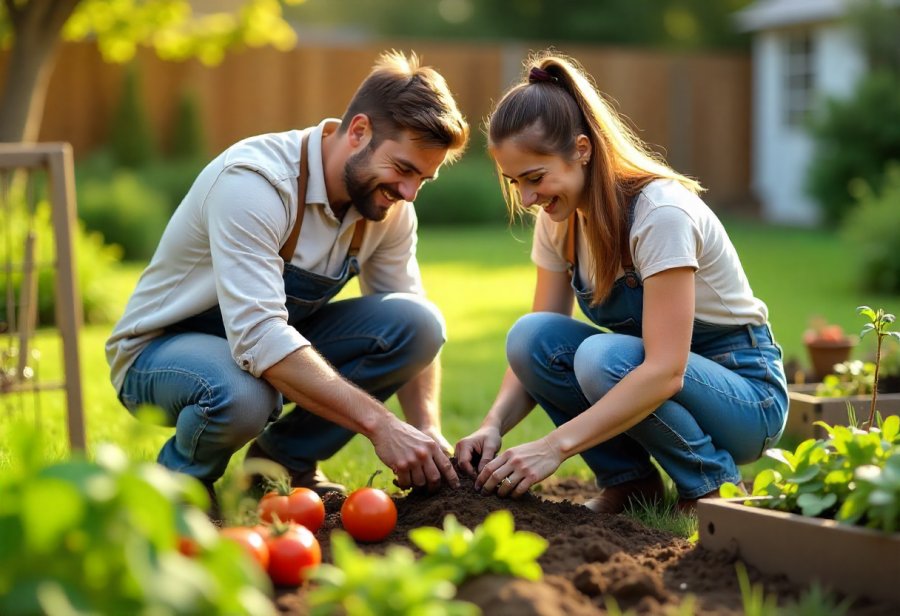
Gardening activities naturally foster emotional closeness because they require cooperation and shared effort. When two people work side by side—planting seeds, watering, or pruning—they learn to coordinate and depend on each other’s contributions. These routines create a sense of teamwork that extends beyond the garden, laying a foundation of trust and mutual reliance. As they nurture living things together, partners often exchange ideas, frustrations, or hopes, deepening their understanding of one another without needing many words.
Caring for plants also teaches patience and tolerance—key ingredients for strong relationships. Watching a seed grow into a healthy plant takes time and steady effort, reminding us that meaningful progress, whether in life or love, demands persistence and gentle attention. When shared efforts lead to vibrant blooms or a bountiful harvest, those moments become shared victories, reinforcing feelings of accomplishment and emotional connection. It’s through these small successes that trust and intimacy deepen naturally.
The slow, deliberate rhythm of gardening cultivates emotional safety and openness. Tending to plants side by side encourages conversations that might be difficult to have otherwise. Caring for something fragile and alive creates a sense of shared responsibility, mirroring the trust needed in any healthy relationship. Over time, these routines and shared experiences foster mutual understanding, making bonds more resilient and supportive.
Research shows that couples and families who garden together report increased closeness and reduced stress. Working in the soil together helps deepen conversations and nurtures emotional intimacy effortlessly. The garden becomes a space where trust is built through patience, effort, and gentle attention. These quiet moments of tending life together serve as a reminder that trust and connection grow slowly but surely, much like the plants we nurture.
While gardening isn’t a one-size-fits-all solution, its principles of cooperation, patience, and care hold universal power. For many, it offers a gentle way to deepen emotional ties, transforming simple acts into meaningful rituals. As routines become more ingrained, they create a safe space for vulnerability and connection, fostering bonds that can withstand life’s ups and downs. Gardening, ultimately, becomes a quiet act of love and trust that nurtures both plants and relationships.
In embracing these shared moments of tending, we learn that growth—whether of a garden or a relationship—requires time, patience, and gentle attention. These acts of care become ongoing opportunities to reflect, support, and grow together, reinforcing the idea that love and trust flourish best when cultivated with consistency and compassion. Gardening, in its simplest form, becomes a timeless practice of connection, healing, and mutual care.
Nurturing Bonds Daily: Practical Ways to Incorporate Gardening Into Your Life
Incorporating gardening into daily routines doesn’t require a sprawling yard or expert skills; even small, manageable efforts can significantly strengthen bonds and boost well-being. A cozy balcony corner with herbs or a few potted flowers can become a shared sanctuary, turning everyday chores into moments of connection. Watering plants in the morning or planting seasonal blooms on weekends transforms routine tasks into meaningful rituals that foster patience and teamwork. Over time, these simple acts become anchors of shared purpose, reminding us that growth—whether in plants or relationships—happens gradually and through consistent care.
Making gardening routines accessible encourages consistency, especially for busy schedules or beginners. Involving loved ones in selecting plants, planting seeds, or tending to a vegetable patch turns gardening into a collective project. Celebrating small milestones—a sprout breaking soil or a flower opening—adds joy and pride, reinforcing the idea that patience and effort lead to rewarding results. These moments of shared achievement nurture trust and deepen emotional ties, turning the garden into a living symbol of collaboration.
Even in limited outdoor spaces, tending to potted plants or small beds offers a calming, restorative experience. The tactile pleasure of soil, the scent of fresh earth, and the sight of new growth reconnect us with nature and ourselves. These mindful moments serve as a digital detox, providing a quiet pause that can rejuvenate the mind and foster a sense of connection. Regularly caring for a few plants creates a routine of nurturing that reinforces patience, attentiveness, and presence—qualities that spill over into everyday interactions.
Designing specific activities, like planting a seasonal flower bed or dedicating a plant to a loved one, adds layers of meaning to routine gardening. These rituals turn simple acts into symbols of love and remembrance, enhancing the emotional value of shared effort. Using accessible tools—watering cans, trowels, gloves—makes gardening inviting and fun, especially in community settings or family projects. The act of working together, even in small ways, builds a foundation of cooperation and mutual support.
Involving others in gardening creates opportunities for ongoing connection. Whether it’s a family project or a neighborhood garden, shared responsibilities foster teamwork and communication. The collective experience of nurturing life together transforms ordinary moments into lasting memories, strengthening bonds over time. These routines, rooted in patience and care, help cultivate a sense of stability and trust that sustains relationships through life’s inevitable ups and downs.
By weaving gardening into everyday life, we build a gentle, natural pathway to emotional resilience. Small acts—watering a plant, planting a seed, tending a shared space—become acts of love and attention that grow stronger with consistency. Over time, these routines turn into ongoing opportunities for reflection, support, and shared joy. Gardening becomes more than a hobby; it’s a nurturing practice that enriches our relationships and reconnects us with the healing power of nature, one thoughtful gesture at a time.
Growing Together: Embracing Gardening as a Path to Healing and Lasting Connection
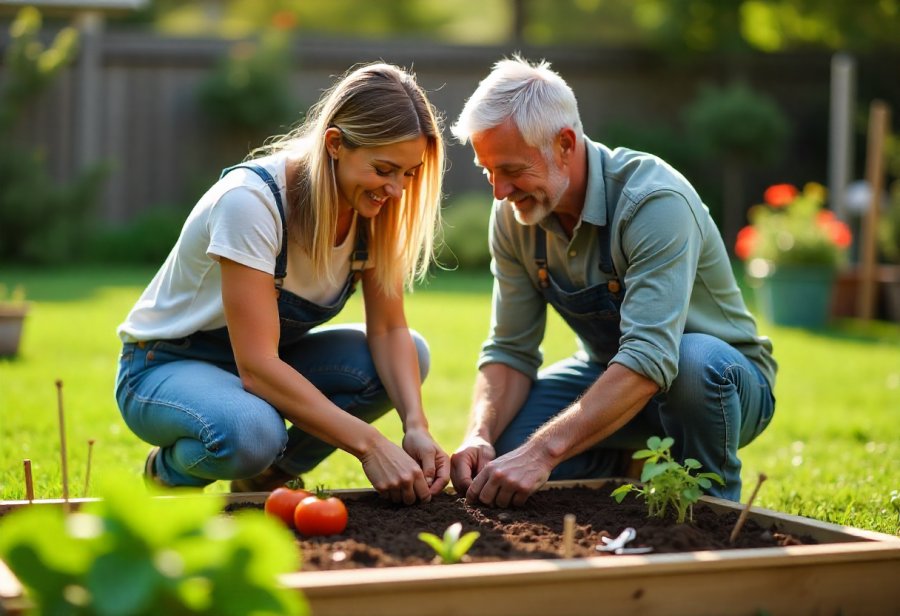
Gardening together goes beyond simply cultivating plants; it’s a powerful act of connection and healing. The routines of planting, watering, and tending create a space where trust, patience, and mutual care naturally grow. These shared acts foster a sense of trust that extends into other areas of life, reminding us that meaningful bonds develop through consistent effort and gentle attention. As we nurture life side by side, we also nurture our relationships, building resilience and understanding that can withstand life’s inevitable challenges.
The quiet rhythm of gardening offers a sanctuary from the hurried pace of modern life. It provides a space for reflection, calm, and genuine connection—an antidote to digital overload. Engaging with nature in this way encourages mindfulness and presence, helping us reconnect with ourselves and each other. These moments of shared care become anchors of stability, cultivating emotional strength and fostering a sense of belonging that can be carried into everyday interactions.
Throughout history, cultures worldwide have turned to gardening not just for sustenance but for emotional and spiritual renewal. From ancient community gardens to Japanese Zen spaces, the act of tending to plants symbolizes harmony, patience, and resilience. These traditions reveal that caring for life is a universal language—one that bridges differences and nurtures bonds across generations and backgrounds. Recognizing this deep-rooted connection inspires us to view gardening as a timeless practice of love and healing.
Looking ahead, integrating gardening into daily routines offers a simple yet profound way to nurture emotional well-being. Whether tending a small balcony herb patch or collaborating on a community garden, these acts of care reinforce patience, trust, and teamwork. They transform routine chores into meaningful rituals that celebrate growth—both of plants and relationships. As we continue to explore and embrace gardening as a form of emotional healing, its capacity to foster resilience and connection becomes even more vital in our busy, digital world.
Gardening also teaches us that growth takes time. The patience required to see a seed sprout or a flower bloom mirrors the process of healing and building trust in relationships. Each small act of care is a step toward deeper connection, reminding us that love and understanding flourish through ongoing effort. These shared moments of tending and nurturing serve as gentle proof that lasting bonds are cultivated, not rushed.
In the end, gardening is a reminder that life’s most meaningful growth happens gradually, with patience and compassion. It encourages us to slow down, to pay attention, and to invest in the well-being of others—whether through plants or personal relationships. By embracing this practice, we open ourselves to ongoing opportunities for renewal, connection, and emotional resilience, rooted in the simple act of tending to life together.
As we cultivate these routines of care, we also cultivate hope—hope that connection, healing, and growth are always within reach. Gardening becomes a shared journey, a quiet act of love that reminds us of our capacity to nurture not only plants but also each other. These ongoing acts of tending weave resilience and compassion into the fabric of our lives, offering a path to deeper understanding and stronger bonds. In tending to the earth, we tend to ourselves, forging a more compassionate, connected world one garden at a time.