Imagine transforming your daily walks from chaotic pulls and distractions into serene moments of trust and connection. Mastering the art of calm, focused walking with your dog unlocks a peaceful bond that enhances every outing. But how do you turn this ideal into reality? This guide reveals that success hinges on understanding canine communication, consistent routines, and positive reinforcement techniques. It explores challenges like leash pulling and environmental distractions, offering practical strategies to overcome setbacks and build resilience. With steps for effective training, managing real-world situations, and budgeting wisely, you’ll discover how patience and gentle guidance can cultivate a confident, relaxed dog. Are you ready to turn routine walks into shared experiences of joy and calm? The journey to peaceful, mutual understanding begins with small, intentional steps—transforming everyday outings into treasured moments of harmony and trust.
Transform Your Routine: The Power of Calm Dog Walks
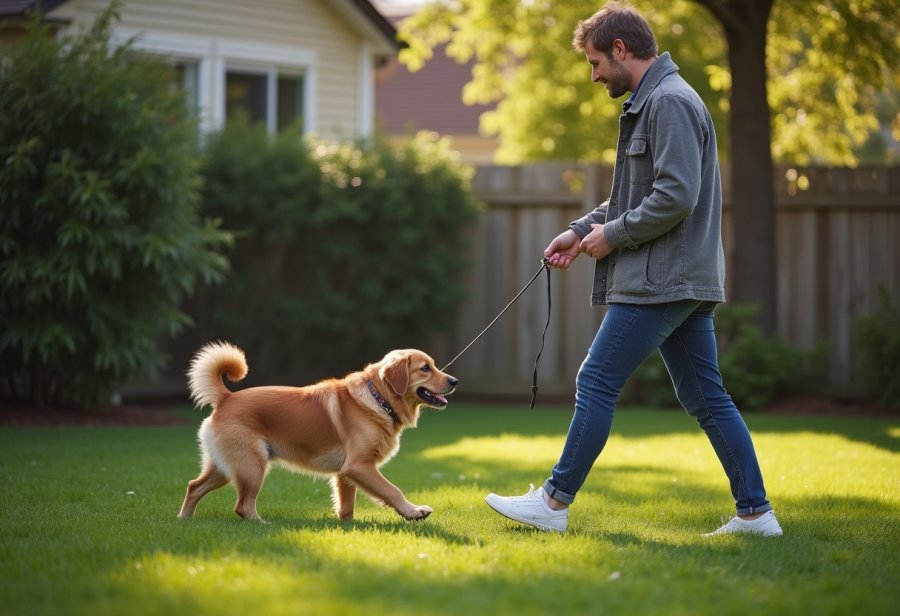
Walking calmly with your dog might seem straightforward, but it’s actually a skill that can transform your daily routines into moments of trust and connection. When your dog learns to walk beside you without pulling or lunging, what was once a stressful chore becomes a peaceful shared experience. This isn’t just about good manners; it’s a sign that your dog feels safe and is tuned into your cues. Over time, these calm walks strengthen your bond, making every outing more enjoyable and less frustrating.
Developing this skill sets the foundation for smoother training in other areas. When your dog walks peacefully, it’s easier to introduce commands and reinforce positive habits. Calm leash manners also help reduce common behavioral issues like leash pulling and anxiety, especially in unfamiliar or busy environments. As your dog becomes more relaxed, they gain confidence, making walks more relaxing for both of you.
Beyond behavior, calm walking nurtures patience and focus, contributing to your dog’s emotional well-being. It encourages them to stay relaxed amid new sights and sounds, turning outings into moments of trust rather than stress. For owners, it transforms routine walks into opportunities for shared calmness and connection, deepening your relationship with your pet.
This journey isn’t just about obedience; it’s about creating a safe space where your dog feels secure and you feel confident as a leader. When your dog walks calmly, they’re signaling their trust in you to guide and protect them. With patience and consistent practice, mastering calm walks makes every outing a highlight—building a peaceful, lasting bond that benefits both of you.
Foundations of Calm Walking: Mindset, Communication, and Routine
Mastering calm walking with your dog starts long before you step outside. It begins with your mindset—approaching training with patience, consistency, and a positive attitude sets the tone your dog will follow. Dogs respond best when they feel safe and supported, so staying relaxed and confident helps them mirror your calm energy. Setting clear, achievable goals like reducing pulling or mastering the heel command keeps you focused and motivated, making the process feel more manageable.
Understanding canine communication is essential. Dogs convey their feelings through body language—tail position, ear orientation, posture—and recognizing these cues allows you to respond appropriately. A relaxed tail and soft eyes indicate comfort, while stiff posture or raised hackles signal stress. Responding gently with guidance or reassurance helps your dog feel secure, reinforcing calm behavior and building trust.
Leash training has shifted from harsh corrections to humane, positive methods. Modern techniques emphasize gentle guidance combined with rewards such as treats and praise, which foster a stronger bond and encourage relaxation. This approach makes training enjoyable for your dog and more effective, as they associate walks with positive experiences rather than punishment.
Commands like sit, stay, and come play a crucial role. They help your dog focus and control impulses during walks, especially in distracting environments. Building trust through positive interactions and play reduces anxiety, making calmness more attainable. Incorporating stress reduction techniques like gentle massages or scent work further prepares your dog mentally for peaceful outings.
Consistency and routine are the backbone of developing calm walking habits. Starting each walk with a familiar cue or focus activity creates predictability, reducing your dog’s anxiety. Short, frequent training sessions—around five to ten minutes—are more effective than long, sporadic efforts, helping your dog stay engaged and eager to learn.
Patience is vital. Progress might be slow, and setbacks are part of the journey. When your dog pulls or gets distracted, calmly pause and redirect their attention with cues or treats. Avoid reacting with frustration, as this can escalate their excitement. Instead, maintain a steady, supportive presence that teaches your dog that staying centered is more rewarding than reacting impulsively.
Finally, adapt your training to your dog’s individual needs. Vary routes and cues to keep things interesting, but always reinforce core behaviors. Recognize small successes and celebrate progress, knowing that steady, positive reinforcement builds a resilient, calm walker. With time, these principles become second nature, transforming walks into peaceful moments of trust and connection.
Step-by-Step Strategies for Teaching Calm Walks
Teaching your dog to walk calmly at your side relies on clear, consistent steps that gradually build trust and reinforce good behavior. Start by establishing a designated heel position, rewarding your dog whenever they stay close without pulling. Use simple cues like “heel” and repeat them consistently, especially in low-distraction settings. Short, frequent training sessions—around five to ten minutes—help your dog stay focused and eager to learn, making progress feel natural and manageable.
Address leash pulling by pausing immediately when it happens. Wait patiently until the leash slackens, then reward your dog when they return to your side. This teaches them that staying close and calm leads to positive reinforcement. If distractions become overwhelming, gently redirect their attention with treats or a favorite toy, keeping the tone calm and encouraging. Over time, these small, steady corrections help your dog understand the routine and develop a relaxed walking style.
Gradually increase the difficulty by practicing in environments with more distractions, always rewarding calm responses. If your dog starts to pull or get overwhelmed, pause briefly, redirect their focus, and reward their compliance. Consistency is key—repeating this process in different settings will build their confidence and resilience. Remember to stay patient; progress may be slow, but each successful step strengthens your bond and builds a foundation for lifelong calmness during walks.
Using treats, praise, or a favorite toy immediately when your dog walks calmly reinforces good behavior. Incorporate these rewards into everyday walks, gradually adding distractions as your dog improves. Keep training sessions short and positive, avoiding frustration or harsh corrections. If challenges persist, consider seeking advice from a professional trainer who can provide tailored strategies. Steady, patient effort turns calm walking from a goal into a routine that both you and your dog enjoy.
Remember, setbacks are normal. If your dog pulls or becomes distracted, calmly guide them back to focus without reacting emotionally. Consistent, gentle redirection teaches your dog that staying centered and relaxed is the most rewarding behavior. Over time, these small, positive steps lead to a confident, peaceful walking style that strengthens your bond and makes every outing a shared moment of trust and harmony.
Real-World Success: Applying Calm Walking in Any Environment
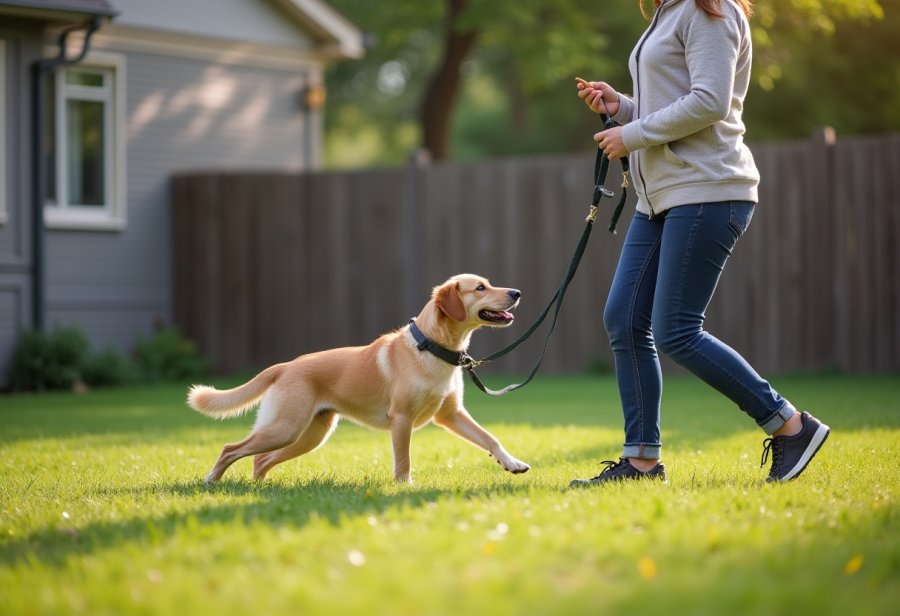
Practicing calm walking in real-world situations is the true test of your training and the key to lasting success. When you step into busy parks filled with other dogs, children playing, and loud noises, your dog’s response to these stimuli reveals how well they’ve learned to stay focused and relaxed. Using the techniques you’ve developed—keeping slack in the leash, maintaining steady cues, and rewarding calmness—you help your dog associate noisy or chaotic environments with positive experiences rather than stress. Consistency here builds confidence and resilience, making stressful situations more manageable over time.
On neighborhood strolls, distractions like passing cars or strangers often challenge your dog’s composure. When that happens, gently redirect their attention with treats or familiar cues. Rewarding their ability to stay calm amidst these interruptions reinforces the behavior you want. Repetition in various settings helps your dog understand that staying centered is always worthwhile, regardless of external chaos. Over time, these moments become opportunities for growth, transforming walks from tense or frustrating to peaceful and bonding.
Morning walks in familiar surroundings are excellent for testing your dog’s ability to remain calm. Starting with a quick focus session sets a positive tone, and maintaining a steady, gentle approach encourages your dog to mirror your calmness. As routines become habitual, calm walking becomes second nature—your dog begins to anticipate and respond to cues with confidence, turning routine outings into peaceful shared experiences.
When unexpected stimuli like loud trucks or new animals appear, pause calmly and avoid reacting emotionally. Instead, gently reset and redirect your dog’s focus, rewarding their efforts to stay relaxed. These quick adjustments teach your dog that calmness always pays off, even in unpredictable moments, reinforcing their resilience and your leadership.
In crowded environments—such as busy streets or community events—your steady, gentle guidance is crucial. Short, focused training sessions that emphasize focus and calmness help your dog learn to filter out distractions and stay centered. When your dog responds calmly, reward generously to reinforce that staying relaxed is the best way to earn positive outcomes, making walks more enjoyable and less stressful.
Remember, setbacks are part of the process. If your dog pulls or gets distracted, stay calm and gently guide them back without frustration. Consistency in your responses turns these challenges into opportunities for reinforcement. Over time, patience and supportive correction foster a confident, relaxed walker who finds peace even amid chaos. These real-world practices turn training into a natural, shared experience of trust and calmness, strengthening your bond with each step.
Smart Investment: Budgeting for Effective Dog Training
Training a dog to walk calmly at your side does come with some costs, but understanding your expenses upfront helps you stay on track and make smarter choices. Basic equipment like a sturdy leash, collar, or harness usually falls between $10 and $30. If you prefer specialized gear such as front-clip harnesses or training collars, prices might range from $20 to $50. Investing in quality tools pays off over time, making training more effective and comfortable for your dog while lasting for years.
Beyond gear, professional guidance can accelerate progress and save frustration. Group classes or private sessions typically cost between $50 and $150 per session. While that might seem steep, the long-term benefits—faster learning, fewer setbacks, and increased confidence—often outweigh the initial expense. Think of it as an investment in your dog’s well-being and your peace of mind.
There are also plenty of affordable resources to support your training at home. Clickers, treat pouches, and training aids usually stay under $20 each and are reusable. Online tutorials, apps, and community workshops can provide structured guidance without breaking the bank. Setting aside a dedicated budget for these essentials ensures consistency, which is key to steady progress.
Remember, quality tools and professional help aren’t just about good behavior—they strengthen your bond. The costs vary based on your choices, but the rewards of calm, confident walks make every dollar worthwhile. Planning your budget helps keep training a priority, supporting your shared journey toward peaceful outings.
Investing in proper equipment and guidance also reduces the likelihood of setbacks caused by improper handling or ineffective techniques. Over time, these initial costs can prevent behavioral issues that might require costly corrections or health issues down the line. It’s a small price for the long-term benefits of a well-adjusted, happy dog.
Finally, effective training doesn’t have to drain your wallet. Focus on consistent effort and using what you have wisely. The goal is to maximize every dollar by choosing quality tools and seeking help when needed, rather than rushing into expensive solutions that may not deliver lasting results. With a thoughtful approach, your investment in training becomes a foundation for joyful, peaceful walks that last a lifetime.
Executing Your Plan: Consistency and Routine in Practice
Implementing a training plan for calm dog walking relies on establishing a consistent routine that your dog can expect and trust. Pick specific times for walks and stick to them as closely as possible; routine provides a sense of security and reduces anxiety. Gather all your tools—treats, leash, and any training aids—before heading out to stay focused entirely on your session. Keep training brief, around five to ten minutes, to maintain your dog’s interest and prevent boredom or fatigue. Repeating cues and handling them calmly reinforces good habits and makes the routine feel natural.
During each walk, pay close attention to your dog’s body language and reactions. Reward calm, focused behavior immediately with treats or praise, reinforcing that staying attentive pays off. If your dog pulls or gets distracted, calmly pause and wait until the leash slackens. When they return to your side, reward that behavior to build a pattern of relaxed focus. If they become overwhelmed, gently redirect their attention with cues or toys, always maintaining a gentle tone.
Your own calmness influences your dog’s behavior. Practice steady breathing and relaxed handling, avoiding rushing or reacting emotionally to setbacks. Consistency in your responses creates a predictable environment that helps your dog learn faster. Review what works and be ready to adapt your approach as needed. If progress stalls, consulting a professional trainer can provide tailored guidance, ensuring your efforts stay on track.
Make sure to vary your routes and incorporate different settings to keep your dog engaged. This variety helps your dog generalize calm behavior across environments. Celebrate small successes along the way, understanding that steady, patient effort leads to lasting habits. Over time, these routines become second nature, transforming walks into peaceful moments of connection rather than challenges to overcome.
Remember that setbacks are natural. If your dog pulls or becomes distracted, stay calm and guide them back without frustration. Consistent, gentle redirection teaches your dog that staying centered and relaxed yields the best results. With patience and persistence, calm walking will become an integral part of your daily routine, strengthening your bond and turning every walk into a peaceful shared experience.
Troubleshooting Challenges: Overcoming Setbacks and Distractions
Training a dog to walk calmly isn’t always straightforward, and setbacks are a natural part of the process. One common challenge owners face is leash pulling, especially when their dog gets excited or curious about the surroundings. When pulling begins, stopping immediately and waiting until the leash slackens teaches your dog that pulling won’t get them where they want to go. Reinforcing this with treats or praise when they return to your side helps establish the idea that calm focus is rewarded.
Distractions like other animals, loud noises, or tempting scents can also throw your dog off balance. Introducing these stimuli gradually and rewarding calm responses creates resilience over time. If your dog becomes overwhelmed, pausing briefly and redirecting their attention with cues or toys keeps the experience positive and manageable. Consistent reactions from you help your dog understand what’s expected and build their confidence.
Some dogs resist training altogether, especially if they associate walks with negative experiences or corrections. Switching to positive reinforcement methods—using treats, praise, and gentle guidance—can turn setbacks around. If progress stalls, consulting a professional trainer provides tailored strategies to address specific issues and keeps your training on track.
Environmental factors matter too. Starting in quiet, familiar spaces makes it easier for your dog to learn new behaviors. As they improve, gradually increase distractions, always rewarding calmness. Remember, frustration can sabotage progress—staying patient and calm encourages your dog to do the same. Over time, consistent, gentle guidance will help your dog master calm walking, transforming challenges into opportunities for growth and trust.
Keys to Joyful Walks: Focus, Peace, and Building Your Bond
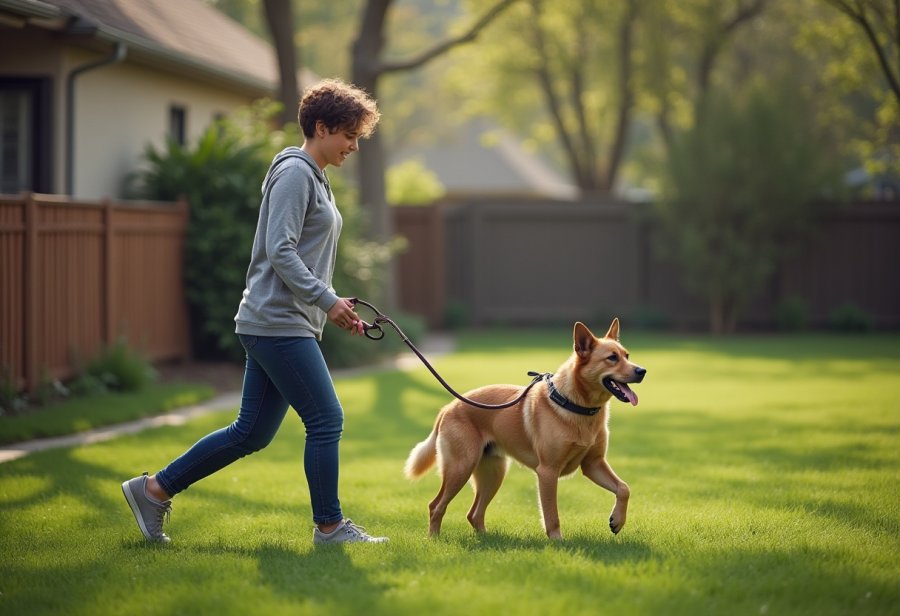
Creating calm and joyful walks with your dog starts with your own energy. When you approach each outing with patience and confidence, your dog is more likely to relax and stay focused. Using gentle, steady cues and a relaxed leash hold helps keep tension low and encourages your dog to mirror your calmness. Celebrating moments of focus with praise or treats builds trust and turns walks into shared successes rather than challenges.
Building a consistent routine is key. Starting each walk with familiar commands and a brief focus session sets a positive tone and helps your dog feel secure. Varying your routes and incorporating simple activities like scent games or gentle play keeps the experience engaging without overwhelming your pet. These routines reinforce calm behavior and deepen your bond, transforming ordinary outings into treasured bonding moments.
Managing distractions effectively is crucial for maintaining peace. When your dog encounters other animals, loud noises, or tempting scents, gently redirect their attention with treats or cues they recognize. Reward their calm responses to reinforce that staying centered is more rewarding than reacting impulsively. Over time, your dog learns to handle lively environments with patience and confidence, making outings more relaxed and enjoyable.
Clear communication forms the foundation of peaceful walks. Use consistent cues and a gentle tone to guide your dog, paying close attention to their body language. Recognizing signs of relaxation—like a loose tail, soft eyes, and a relaxed posture—helps you respond supportively. This understanding nurtures trust, making training a positive, collaborative effort rather than a struggle.
Turn training into a shared adventure by celebrating your dog’s calmness with praise or a quick game. Explore new sights and scents together in a way that’s fun and manageable, ensuring your dog feels safe and engaged. When both of you look forward to these outings, walking becomes more than just exercise—it becomes a special time of connection and mutual joy.
Remember, setbacks are natural. If your dog pulls or gets distracted, stay calm and gently redirect without frustration. Consistent, supportive guidance teaches your dog that staying relaxed and focused is the best way to earn your approval. With patience and perseverance, these small moments of calm build a resilient, trusting, and joyful walking routine that enriches your bond every day.