Step into the secret world of backyard mechanics, where passion transforms humble garages into sanctuaries of craftsmanship and resilience. These spaces are more than mere workshops; they are repositories of stories, skills, and heritage—places where vintage machines are reborn through patience, ingenuity, and a deep love for automotive history. But as modern technology like 3D printing and digital diagnostics integrates into traditional practices, the question arises: how will this evolution preserve the authentic spirit of craftsmanship while embracing innovation? Will the future of these personal workshops balance resourcefulness, sustainability, and community, ensuring that the timeless art of restoration continues to thrive? This captivating blend of tradition and modernity promises to inspire a new generation of enthusiasts—guardians of resilience and creators of future legends in automotive culture.
Transforming a Backyard Garage Into a Personal Sanctuary of Passion and Craftsmanship
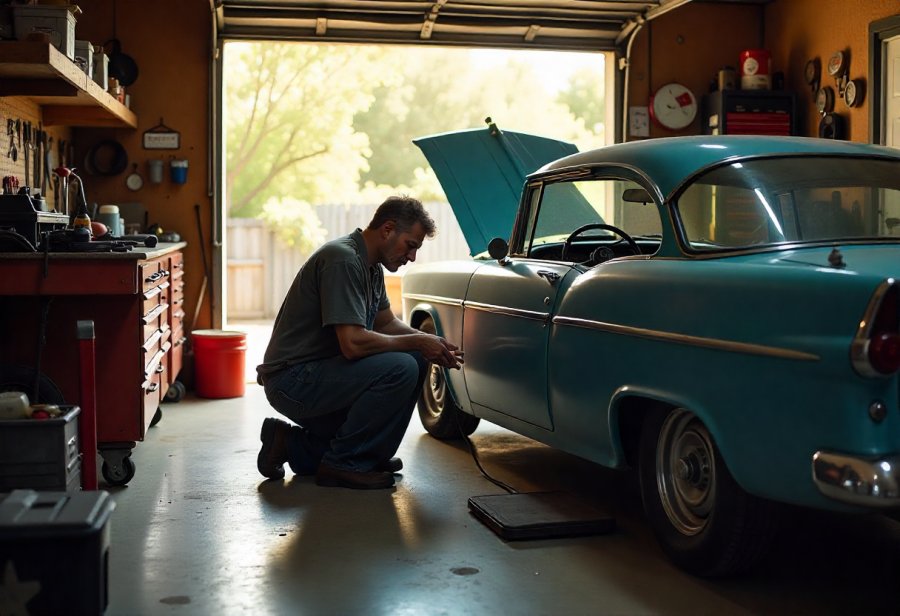
A backyard garage is more than just a space to park a car; it’s a personal sanctuary where passion and craftsmanship come alive. For many home mechanics, this environment becomes a retreat from the daily grind—a place where hands-on work transforms metal, rubber, and wood into something meaningful. It’s filled with the scent of engine oil, the clutter of scattered tools, and the quiet pride of creation. Every corner of the space reflects years of dedication, with shelves lined with parts, a workbench cluttered with screwdrivers and rags, and pegboards holding tools of all shapes and sizes within easy reach.
This garage is a reflection of its owner’s identity. It’s a haven where memories are made—whether tinkering on a childhood favorite or passing skills down through generations. Restoring vintage engines or rebuilding classic cars isn’t just about fixing machines; it’s about preserving stories and forging a personal connection with each project. Over time, the space becomes a repository of triumphs, setbacks, and quiet moments of achievement that fuel ongoing passion.
Within this environment, patience and attention to detail reign supreme. Every bolt tightened and wire connected is a small victory, a step closer to bringing a machine back to life. The natural light filtering through open doors or small windows bathes the space in a warm glow, making each task feel almost meditative. It’s in these moments—focusing on a tricky repair or polishing a freshly painted panel—that the garage transforms into a sanctuary of craftsmanship, a place where time slows and concentration deepens.
More than just a workshop, this space nurtures growth—technically and personally. Skills are sharpened with each project, and stories are shared in quiet concentration. Mistakes aren’t seen as failures but as opportunities to learn and improve. The garage becomes a place where resilience and patience are rewarded, and where the love for vintage machines continues to thrive. It’s a space that invites creativity, celebrates progress, and keeps the spirit of restoration alive.
Ultimately, the backyard garage stands as a testament to passion and perseverance. It’s a place where craftsmanship isn’t just a skill but a way of life—an extension of the mechanic’s heart. Here, every project is more than just repairs; it’s a story of dedication, a labor of love that links past to present. In this sanctuary, the love for vintage cars and the joy of restoration are preserved, fueling the next chapter of the mechanic’s journey.
Unearthing the Roots: How Backyard Mechanics Shaped Automotive Heritage and Culture
The roots of backyard mechanics run deep in automotive history, serving as the foundation for a craft that continues to inspire enthusiasts today. Before the rise of professional repair shops, car owners often relied on their own garages to keep vintage vehicles running, transforming these spaces into workshops of ingenuity and resourcefulness. These DIY efforts weren’t just about fixing cars; they became acts of preservation, helping to maintain countless classic models long after their factory days ended. In this way, backyard mechanics became guardians of automotive heritage, keeping history alive one project at a time.
This tradition fostered a sense of independence and personal connection. Working on one’s own car wasn’t merely about repairs—it was about mastering a craft, passing down skills through generations, and cultivating a culture rooted in self-reliance. Many hobbyists inherited techniques from older family members, emphasizing the importance of repairing rather than replacing. These stories of patience, clever problem-solving, and technical mastery still echo in garages across the country, fueling a passion for vintage restoration.
Over decades, this grassroots approach evolved from necessity into a cultural movement. Restorers began seeing their garages as more than workspaces—they became personal museums of history and craftsmanship. Simple hand tools and scavenged parts gave way to a deeper understanding of engineering and design. The act of reviving rusted relics into shining symbols of resilience became a form of storytelling—a way to connect with the past and honor the craftsmanship of bygone eras.
Communities grew around this shared passion. Local clubs, online forums, and car shows became hubs for exchanging tips, sharing successes, and mentoring newcomers. These networks bolster the collective knowledge, making vintage restoration accessible and inspiring a new generation of backyard mechanics. The culture is as much about camaraderie as it is about cars, creating a sense of belonging rooted in a love for craftsmanship and history.
The inventive spirit remains alive in lesser-known practices: scavenging parts from unlikely sources, fabricating custom solutions, or crafting tools by hand. Stories of finding rare components in old barns or repurposing scrap metal highlight the resilience and creativity that define this culture. Such resourcefulness turns ordinary garages into archives of ingenuity, proving that craftsmanship is as much about mindset as it is about tools.
Today’s backyard mechanics honor this legacy by blending traditional skills with modern innovations. They incorporate digital diagnostics, 3D printing, and online resources into their workflows, expanding what’s possible within their personal spaces. Despite these advancements, the core values of patience, skill, and passion remain unchanged. This balance between history and innovation keeps the spirit of backyard mechanics vibrant and evolving.
In essence, the roots of backyard mechanics are woven into the fabric of automotive culture. They remind us that restoring a vintage vehicle isn’t just a hobby but a act of preservation, a labor of love that bridges generations. This rich history fuels ongoing passion and ensures that the craft continues to thrive, inspiring new enthusiasts to carry the torch of resilience, ingenuity, and craftsmanship long into the future.
Modern Innovations: How Today’s Tools and Techniques Elevate Vintage Restorations
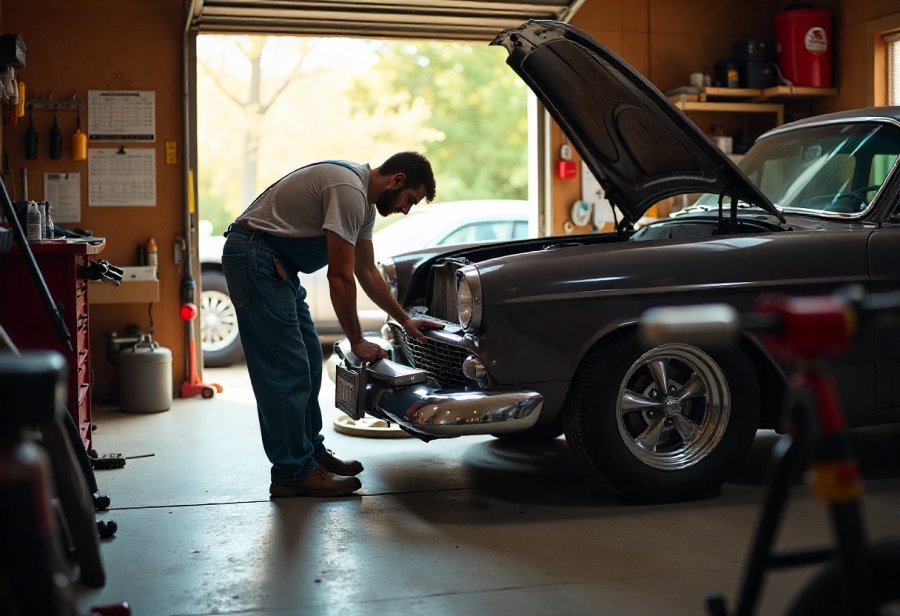
Today’s backyard mechanics seamlessly blend traditional skills with cutting-edge technology, elevating their restoration projects to new levels. Digital tools like 3D printers and CAD software have become invaluable, allowing hobbyists to recreate rare or missing parts with precision that once only professional shops could achieve. This capability opens up endless possibilities for customization and authenticity, making restorations more accurate and tailored to individual visions. With these tools, even small garages can produce complex components, turning ideas into tangible results more quickly and efficiently.
Smart diagnostics and electronic testing devices are revolutionizing how backyard restorers troubleshoot issues. Once confined to high-end repair centers, these tools are now affordable and accessible, enabling hobbyists to pinpoint electrical glitches or engine problems with remarkable accuracy. Integrating sensors and mobile apps into the workflow not only accelerates repairs but also deepens understanding of vintage machines. This technological leap boosts confidence, reduces guesswork, and ultimately leads to more reliable restorations that stand the test of time.
The garage space itself has transformed into a dedicated sanctuary for innovation. Mechanics now invest in specialized lighting, ventilation, and organization systems that foster focus and efficiency. Many incorporate digital measurement tools and power tools that complement their traditional hand skills, making intricate tasks like bodywork or engine tuning more precise. This synergy of old and new techniques encourages experimentation, allowing restorers to push boundaries without sacrificing authenticity or craftsmanship.
Traditional skills remain vital, even as modern practices evolve. Techniques like rust removal, authentic paint matching, and mechanical adjustments continue to form the backbone of quality restoration. The key is adaptability—learning to integrate digital aids without losing the tactile, nuanced understanding of vintage components. This balance ensures projects retain their character while benefiting from technological advancements, resulting in restorations that are both beautiful and durable.
The rise of online communities and social media platforms fuels this ongoing innovation. Enthusiasts share tips, hacks, and tutorials, creating a vibrant exchange of ideas that accelerates learning. These networks often reveal clever solutions—like fabricating custom tools or sourcing rare parts from unexpected places—that expand what’s possible in a backyard setting. Connecting with others keeps motivation high and inspires creative problem-solving, making the craft more accessible than ever.
Incorporating modern practices doesn’t mean abandoning craftsmanship; it enhances it. The integration of digital and traditional skills allows restorers to work smarter, not harder. This approach reduces time spent on guesswork and increases the quality of the final product. The garage becomes a space where innovation and passion coexist, enabling hobbyists to achieve professional-level results without leaving their homes.
Looking ahead, the trend toward smart, resourceful, and connected garages is set to continue. As new tools become more affordable and user-friendly, the DIY community will find even more ways to push boundaries. The core spirit of resilience, creativity, and love for vintage machines remains unchanged. These innovations serve to amplify that passion, ensuring that the tradition of backyard restoration not only survives but thrives in the years to come.
Turning Passion Into Masterpieces: Strategies for Successful Garage Restorations
Turning passion and skills into successful restoration projects starts with a clear plan. Knowing what you want to achieve—whether a show-quality finish or a dependable daily driver—helps set realistic milestones. Breaking the project into manageable steps keeps you focused and prevents feeling overwhelmed. Tackling the engine rebuild before moving to bodywork or wiring ensures steady progress and keeps motivation high. Staying organized with tools and parts saves time, making each work session more efficient and enjoyable.
Patience plays a crucial role, especially when setbacks or delays happen. View obstacles as chances to learn rather than frustrations. If a bolt won’t budge, take a moment to research better techniques or tools instead of forcing it. Celebrate small victories—fitting a gasket or finishing a paint coat—to build confidence and sustain enthusiasm. Restoring a vintage machine is as much about enjoying the process as about the final product. A steady pace often results in better craftsmanship and a more authentic finish.
Start with a careful assessment of your vehicle. Disassemble with care, inspecting each part for wear or damage. Decide whether to repair, replace, or recondition components based on their condition and authenticity. When sourcing parts, explore beyond traditional outlets—swap meets, online marketplaces, or fabricating parts yourself when needed. Facing technical challenges with resourcefulness sharpens your problem-solving skills and deepens your understanding of the machine, making each hurdle an opportunity to grow.
Engaging with communities—local clubs, online forums, social media groups—adds invaluable support. Sharing tips, troubleshooting problems, and showcasing progress connects you with others who share your passion. These exchanges often reveal clever hacks or resourceful solutions that save time and effort, turning isolated work into a shared journey. Learning from others keeps you motivated and helps refine your techniques, making the process more rewarding.
Tailoring your workflow to your space and tools ensures a sustainable, enjoyable experience. Whether working in a small garage or an outdoor shed, adapting your approach keeps the project manageable. Setting realistic goals, like a full restoration or just making the car roadworthy, guides your efforts and keeps passion alive. Personalizing your methods turns your garage into an extension of your craftsmanship, making each project a reflection of your skills and vision.
Blending traditional techniques with modern innovations enhances the quality of your work. Using digital measurement tools, electronic diagnostics, or 3D printing doesn’t replace hands-on skills; it complements them. This synergy allows for more precise repairs and customizations, reducing guesswork and boosting confidence. The result is a restoration that honors authenticity while benefiting from the efficiency of today’s technology.
Finally, embrace a mindset of continuous learning. Every project teaches something new—whether it’s a better way to rust-proof, a trick for wiring, or a creative solution for sourcing parts. Stay curious and open-minded, and don’t hesitate to experiment. This approach keeps your skills sharp and your passion alive, ensuring your garage remains a space where craftsmanship flourishes and old machines are given new life.
The Future of the Backyard Garage: Embracing Technology, Community, and Sustainability
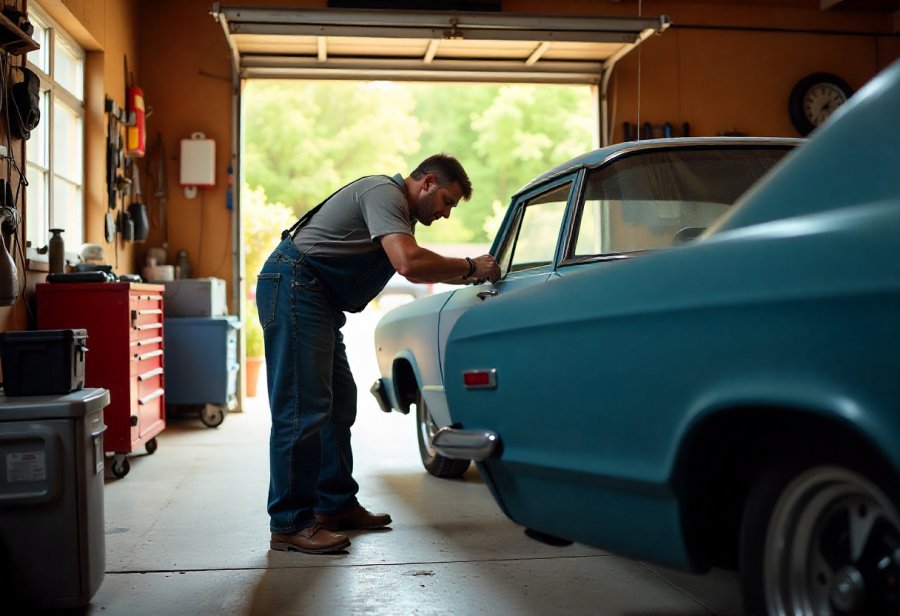
The future of the backyard garage is set to be a dynamic blend of tradition and innovation. Advances in digital technology, such as 3D printing and computer-aided design, are transforming how enthusiasts approach restoration. Hobbyists can now recreate rare or missing parts with a level of precision that was once limited to professional labs, opening up new possibilities for customization and authenticity. This shift allows small-scale garages to turn ambitious ideas into tangible results more quickly, making complex projects more accessible than ever before.
Alongside these digital tools, smart diagnostics and electronic testing devices are revolutionizing troubleshooting. Affordable and user-friendly, these innovations help backyard restorers identify electrical and engine issues with remarkable accuracy, reducing guesswork and improving reliability. Integrating sensors and mobile apps into the workflow deepens understanding of vintage machines, empowering hobbyists to perform precise repairs and optimizations. This technological leap elevates the craft, making detailed work more approachable and satisfying.
Community plays a vital role in shaping this evolving landscape. Online forums, social media groups, and local clubs continue to grow, creating vibrant spaces for sharing advice, celebrating successes, and solving problems together. These networks amplify collective knowledge, often revealing clever hacks and resourceful solutions that push projects further. As enthusiasts connect across borders and backgrounds, a sense of shared purpose and camaraderie strengthens, ensuring that the passion for vintage restoration remains lively and inclusive.
Sustainability is increasingly influencing how restorers approach their projects. Recycled parts, homemade tools, and eco-friendly materials are becoming standard practices, driven by a desire to reduce costs and environmental impact. Creative resourcefulness—such as scavenging for rare components or repurposing scrap metal—becomes part of the craft’s DNA. This mindset not only preserves the authenticity and resilience of vintage machines but also ensures that the spirit of craftsmanship endures amid evolving technologies.
Looking ahead, the backyard garage will continue to be a space where passion fuels progress. As tools become more accessible and community connections deepen, restorations will become more precise, innovative, and sustainable. This ongoing evolution promises to inspire new generations of hobbyists, who will carry forward the legacy of resilience, creativity, and craftsmanship. In doing so, they will ensure that the stories of vintage machines—and the personal journeys behind each restoration—remain alive and thriving for years to come.