
In an era where seamless and adaptable communication is vital, how can organizations transform their networks into resilient, scalable assets? Grandstream’s innovative telephony solutions, exemplified by their versatile IP phones and cloud management platform GDMS, promise to revolutionize how businesses deploy and manage their communication infrastructure. These devices combine high-quality audio, intuitive interfaces, and effortless remote management, enabling quick scaling and effortless updates across multiple locations. As traditional landlines give way to internet-based systems, the importance of centralized control, security, and flexibility becomes undeniable. But how do these cutting-edge tools maintain reliability amid complex networks and evolving demands? The answer lies in their smart design—zero-touch provisioning, robust security features, and real-time monitoring—delivering a future-proof environment for remote, hybrid, and growing teams. This strategic approach not only streamlines deployment but also empowers organizations to stay connected, secure, and responsive in a rapidly changing digital landscape.
Transform Your Business Communications with Customizable Telephony Solutions
In today’s fast-moving business landscape, a flexible communication system isn’t just a convenience—it’s a must-have. Traditional phone setups, with their fixed lines and limited features, quickly fall behind as companies expand and adapt. That’s where customizable telephony solutions come into play, offering the ability to tailor your communication tools to fit your specific needs, workflows, and team structures.
Modern telephony isn’t about a one-size-fits-all approach anymore. Instead, it focuses on creating seamless experiences that boost productivity and keep everyone connected—whether they’re in the office, working remotely, or on the move. These systems let organizations incorporate features like call routing, mobility options, and personalized user interfaces, making daily operations smoother and more efficient.
The real power of customizable telephony lies in its scalability. As your business grows or shifts, these solutions adapt without requiring a complete overhaul. Adding new lines, features, or devices becomes simple, saving time and reducing costs. This flexibility ensures your communication infrastructure supports long-term goals and can quickly respond to market changes or technological innovations.
Technological advancements have changed the landscape from landlines to internet-based platforms, emphasizing control and flexibility. Cloud-managed systems allow centralized management—configuring, monitoring, and updating devices remotely—making deployment faster and maintenance easier. Whether overseeing a handful of devices or thousands across multiple locations, these solutions keep your network reliable and responsive.
Choosing the right system means understanding your unique needs and future ambitions. A well-designed, customizable telephony setup aligns with your business processes, enhances user experience, and provides room to grow. It turns your communication network into a strategic asset, capable of supporting operational efficiency and fostering stronger connections inside and outside your organization.
Investing in a flexible telephony system also prepares you for the evolving digital landscape. As remote work, hybrid models, and global operations become the norm, having a system that’s easy to adapt is crucial. Customizable solutions ensure your team stays connected, productive, and ready for whatever the future holds, without being hampered by outdated technology or rigid infrastructure.
Ultimately, embracing customizable telephony isn’t just about upgrading hardware—it’s about transforming how your organization communicates. It’s about creating a resilient, scalable, and user-friendly environment that supports your growth and enhances collaboration. By leveraging these solutions, you set the stage for more efficient, responsive, and effective communication—empowering your business to thrive in today’s connected world.

Unveiling the Evolution: Foundations of Modern Telephony
Modern telephony has come a long way from the days of rotary phones and landlines. Today’s systems are built on digital and internet-based technologies that have transformed how we communicate, making it faster, more flexible, and more feature-rich. Instead of relying solely on physical wires and circuit-switched networks, most businesses now use Voice over IP (VoIP), which transmits voice data as digital packets over the internet. This shift has opened doors to scalable solutions that can adapt to the unique needs of any organization.
At the heart of these innovations are several core principles that ensure reliability and efficiency. Modularity allows companies to add or remove features and devices with ease, facilitating upgrades and expansions without starting from scratch. Interoperability ensures different hardware, platforms, and networks work seamlessly together—a crucial aspect as organizations integrate new tools into their existing infrastructure. Centralized management platforms, often cloud-based, simplify configuration, monitoring, and updates, saving time and reducing errors across distributed networks.
Historically, traditional telephony relied on circuit-switched networks—dedicated physical connections that linked callers for the duration of a call. This method offered dependable voice quality but lacked flexibility and scalability. With the advent of digital technology, packet-switched networks emerged, transmitting voice as digital data packets over the internet. This transition significantly lowered costs and enabled features like call forwarding, mobility, and integration with digital applications, transforming telephony into a versatile, internet-powered service.
Today’s organizations are increasingly moving toward fully internet-based systems, choosing from on-premises private branch exchanges (PBX), cloud-based platforms, or hybrid solutions. Each has its advantages: on-premises setups offer control, cloud solutions provide scalability and ease of management, and hybrid models combine the best of both worlds. Understanding these foundational concepts helps organizations make smarter decisions, aligning their communication infrastructure with long-term goals and security requirements.
Implementing modern telephony effectively also involves following best practices. Ensuring sufficient network bandwidth and configuring Quality of Service (QoS) settings prevents call disruptions and preserves audio clarity. Regular updates and security patches protect against cyber threats, maintaining system integrity. Centralized management tools enable remote provisioning, firmware updates, and troubleshooting, creating a stable environment that can grow and adapt as needed.
By understanding where telephony technology started and how it has evolved, organizations can better appreciate the capabilities of today’s advanced solutions. This knowledge enables smarter deployment choices and helps maximize the return on investment. As communication demands become more complex, embracing these fundamentals ensures your network remains resilient, flexible, and ready for future innovations.
The shift from traditional landlines to internet-based systems marks a significant milestone in communication technology. It’s no longer just about voice calls but about integrated, multi-channel communication platforms that support a variety of digital tools. This evolution empowers businesses to operate more efficiently, connect more effectively, and respond swiftly to changing market demands.
In essence, the foundation of modern telephony combines technological innovation with practical principles designed for seamless, reliable service. It’s a dynamic landscape that continues to evolve, driven by advances in internet infrastructure, cloud computing, and device interoperability. Grasping these basics equips organizations to leverage the full potential of innovative telephony solutions, turning their communication networks into strategic assets that foster growth and collaboration.
Empowering Connectivity: Grandstream Devices in Today’s Networks
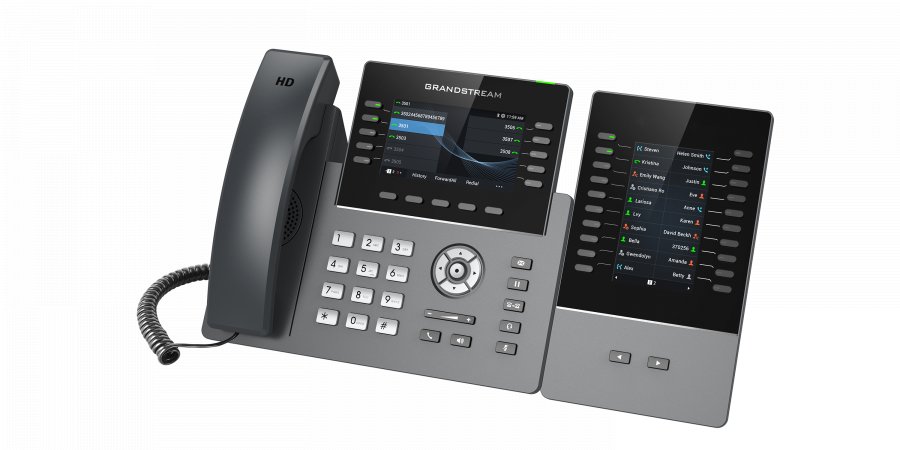
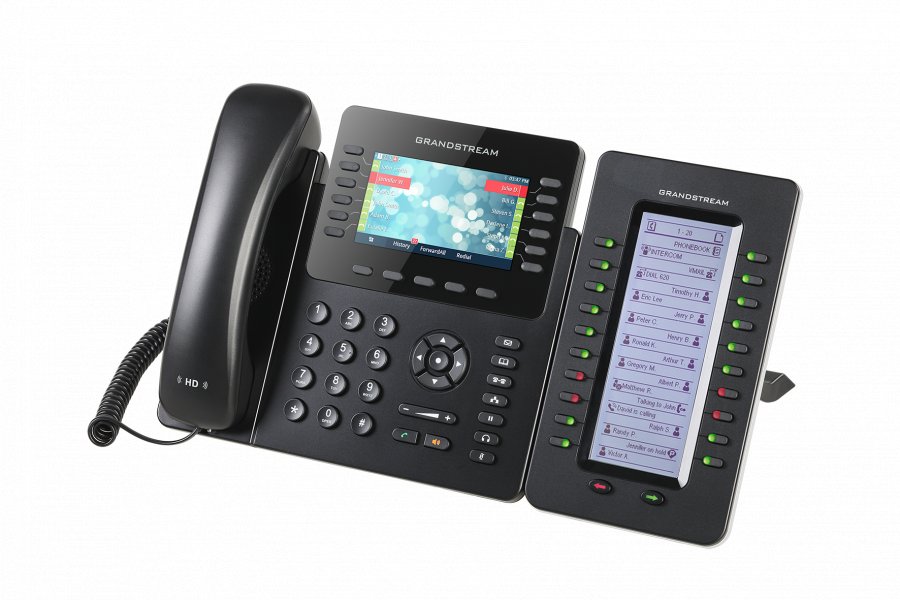
Grandstream has positioned itself as a leader in modern telephony by consistently delivering innovative solutions that simplify deployment and enhance reliability. Their lineup of devices, especially the GRP series IP phones, caters to a wide range of business needs—from small offices to large enterprises. These phones support high-definition audio, multiple lines, and customizable features, making them versatile tools for busy call environments. When paired with cloud management platforms like GDMS, managing these devices becomes effortless, enabling remote configuration, monitoring, and updates that save time and minimize on-site support.
What sets Grandstream apart is its focus on user experience. The devices feature sleek designs and intuitive interfaces, with programmable keys that can be tailored to specific workflows. This level of customization helps teams work more efficiently, providing quick access to contacts, speed dials, and other essential functions. For remote or hybrid teams, Wi-Fi-enabled endpoints and softphone options extend connectivity beyond the desk, ensuring high call quality and seamless communication regardless of location.
Centralized management is a core advantage of Grandstream’s solutions. The GDMS platform offers a unified dashboard where administrators can oversee thousands of devices across multiple sites. This simplifies initial setup and ongoing maintenance, allowing firmware updates, security patches, and troubleshooting to be handled remotely. As organizations expand or shift into new markets, scaling becomes straightforward—new devices can be configured centrally and deployed quickly, without the logistical headaches of manual setup.
Network performance and security are critical to maintaining high-quality communication. Many Grandstream devices include Quality of Service (QoS) settings that prioritize voice traffic, preventing disruptions during peak network usage. Dual Ethernet ports provide flexible deployment options, while built-in security protocols protect conversations from cyber threats. Firmware updates are pushed automatically through the cloud, ensuring systems stay current and secure without interrupting daily operations. This combination of features creates a stable, reliable environment that adapts to evolving business needs.
Choosing Grandstream devices goes beyond hardware upgrades—it’s about transforming how your organization communicates. Their solutions empower teams to collaborate more effectively, whether working in the office or remotely. Clear audio, easy management, and seamless integration with digital tools reduce misunderstandings and improve responsiveness. In a landscape where communication is key to customer satisfaction and internal efficiency, these devices help create a connected, agile, and future-ready environment.
The flexibility of Grandstream’s offerings also supports organizations looking to future-proof their networks. As remote work and digital transformation accelerate, having a communication infrastructure that is easy to expand and adapt becomes essential. Cloud-managed devices enable quick onboarding of new team members, rapid deployment across multiple locations, and simple scaling to meet increased demand. This agility ensures your business remains competitive and responsive to market shifts.
In sum, Grandstream’s innovative telephony solutions are more than just devices—they’re a strategic asset that enhances network efficiency and simplifies deployment. With their focus on user experience, security, and scalability, these solutions help organizations build resilient communication networks that grow with them. Investing in Grandstream’s technology isn’t just a hardware upgrade; it’s a step towards smarter, more agile communication that drives productivity and supports long-term success.
Streamlining Deployment: The Power of Cloud Management and Mass Device Setup
Cloud management has transformed how organizations handle their telephony devices, making deployment and maintenance more efficient than ever before. Instead of relying on manual setups or numerous on-site visits, administrators can now manage entire networks from a centralized dashboard, no matter where they are. Platforms like Grandstream’s GDMS provide a unified interface to configure, monitor, and update hundreds or even thousands of devices remotely. This approach accelerates deployment times, reduces logistical challenges, and minimizes downtime, allowing businesses to adapt quickly to changing needs.
When deploying large fleets of devices, ease of setup is crucial. Grandstream’s endpoints are designed for plug-and-play operation, enabling devices to connect seamlessly to the network and automatically adopt pre-configured settings through zero-touch provisioning. This means that once a device is powered up and connected, it configures itself without manual intervention. For rapidly growing businesses or those managing multiple locations, this feature significantly cuts down on setup time and resource expenditure, enabling swift expansion without sacrificing consistency or quality.
Beyond initial deployment, cloud-based management simplifies ongoing maintenance. Firmware updates, security patches, and configuration adjustments can be pushed remotely across the entire device fleet. This proactive management helps prevent disruptions before they occur, ensuring systems remain secure and up-to-date. Troubleshooting becomes more straightforward, as administrators can access device logs and performance metrics remotely, often resolving issues before users even notice a problem. This level of control keeps the network resilient and reliable, even in complex, distributed environments.
Scalability is another key benefit of this approach. As your organization grows, adding new devices becomes a straightforward process. Simply configure the new endpoints centrally and deploy them across your locations—no need for manual setup at each site. This flexibility supports rapid expansion, whether opening offices in new markets or upgrading existing infrastructure, all while keeping operational costs in check. The ability to scale efficiently ensures your communication system keeps pace with your business ambitions.
Security features built into cloud-managed devices further enhance their value. Centralized control allows for consistent application of security protocols, reducing vulnerabilities. Automatic firmware updates and security patches minimize the risk of cyber threats, and access controls help ensure only authorized personnel can make changes. This robust security posture safeguards conversations and data, vital in today’s increasingly digital threat landscape. It also means peace of mind, knowing your communications are protected without added effort.
Managing a dynamic, growing telephony network is no longer a logistical headache. Real-time visibility into device status, network health, and usage patterns allows administrators to optimize performance proactively. By consolidating control into a single platform, organizations can streamline operations, respond swiftly to issues, and plan future upgrades with confidence. Cloud management and mass deployment devices like Grandstream’s products turn what used to be a complex, resource-intensive process into a straightforward, scalable strategy—empowering your business to stay connected, secure, and ready for the future.