
Underground street racing is more than just a pursuit of adrenaline—it’s a powerful culture rooted in loyalty, rebellion, and brotherhood. These clandestine races, often held in forgotten urban corners, forge bonds that transcend mere competition, turning racers into a tight-knit family united by shared risks, sacrifices, and respect. From its origins in the raw, unregulated streets of decades past to the high-tech modifications of today’s vehicles, the scene has evolved but remains driven by a relentless spirit of defiance. Despite crackdowns and safety concerns, the community continues to adapt through digital platforms and innovative techniques, ensuring that loyalty and camaraderie endure. Looking ahead, the scene faces an exciting transformation with green energy and organized events, yet the core connection—trust forged in shadowy nights—remains unbreakable. Will the essence of rebellion and brotherhood survive the tide of progress, or will tradition give way to a new, more regulated future?
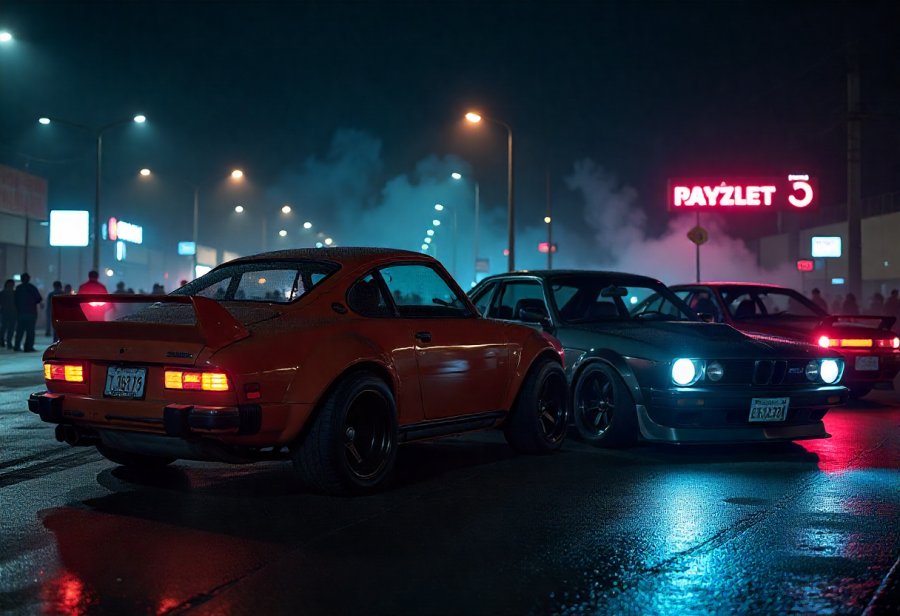
Underground Street Racing: A Rebellious Culture of Speed and Community
Underground street racing isn’t just about the thrill of speeding through city streets; it’s a vibrant slice of urban youth culture that runs deep in many neighborhoods. These races happen away from official tracks, often in forgotten corners like abandoned parking lots, alleyways, or industrial zones where racers can unleash their machines without the watchful eye of authorities. For many young enthusiasts, these gatherings become more than just adrenaline rushes—they’re communities built on trust, shared passion, and a sense of rebellion.
This scene fosters a powerful sense of belonging. Over time, racers develop bonds rooted in loyalty and mutual respect, relying on each other’s judgment and skills. Whether helping with repairs or watching each other’s backs during tense nights, these relationships extend beyond the asphalt. They form a brotherhood that’s fiercely protective, where loyalty is the currency that keeps the scene alive and thriving.
The roots of underground racing trace back decades, born from a desire for freedom and self-expression outside the rigid boundaries of formal motorsports. In its early days, small groups would organize informal races in overlooked urban spaces—abandoned streets, parking lots, or industrial zones—creating raw, unregulated environments where speed and ingenuity mattered most. These early gatherings weren’t about trophies; they were about testing limits and carving out a space for those who refused to be confined.
Media portrayals, especially films like “The Fast and the Furious,” helped elevate street racing from clandestine activity to a global phenomenon. These stories romanticized the rebellious spirit—highlighting brotherhood, loyalty, and customization as symbols of defiance. Online forums, social media, and videos sharing builds and races further connected communities worldwide, transforming local scenes into a vast web of shared knowledge and shared risk.
Today, the scene continues to evolve with technology. Modern racers favor models like the Nissan Skyline, Honda Civic, or Mazda RX-7—cars highly customizable and capable of incredible speeds. Advanced modifications like digital tuning, turbochargers, and lightweight parts turn everyday vehicles into street racing monsters. Despite crackdowns and safety concerns, the core of this culture remains rooted in adrenaline, innovation, and the bonds formed in the shadows of city streets.
At its heart, underground racing is about more than speed—it’s about brotherhood. These relationships, built through late-night drives, sacrifices, and shared risks, create a sense of family among racers. Trust, loyalty, and shared stories forge a community that endures despite the dangers and challenges. In this high-octane world, the bonds formed are what truly keep the scene alive, turning fleeting moments into lifelong memories of resilience and loyalty.
Tracing the Roots: The History and Evolution of Street Racing
Underground street racing’s roots run deep, stretching back to the early days of car culture in cities worldwide. It emerged as a rebellious response to the strict confines of formal motorsports, giving enthusiasts a chance to test their skills and machines outside official rules. In the 1960s and 70s, small groups would gather in overlooked urban spots—abandoned streets, parking lots, and industrial zones—creating raw, unregulated environments where speed and ingenuity reigned supreme. These early races weren’t about trophies or formal recognition; they were about pushing personal limits and carving out a space for self-expression beyond societal restrictions.
Trust and camaraderie quickly became the backbone of these underground communities. Racers depended heavily on each other’s judgment and loyalty, knowing that taking risks in secrecy meant supporting one another through every high-stakes run. Over time, shared experiences—helping repair cars, swapping tips, and standing together during police raids—strengthened these bonds. Instead of just individual pursuits, racing became a collective effort rooted in mutual respect, where loyalty was earned through sacrifice and trust.
Popular media played a significant role in shaping the scene’s cultural identity. Films like “The Fast and the Furious” romanticized street racing, emphasizing themes of brotherhood, loyalty, and customization as acts of defiance. These portrayals turned underground racing into a global phenomenon, inspiring countless enthusiasts to pursue their passion in secrecy. Online forums, social media, and countless videos sharing builds and races further connected these scattered communities, transforming local scenes into a worldwide web of shared knowledge, risks, and rebellion.
As technology advanced, so did the cars and techniques used in street racing. Today’s racers incorporate sophisticated modifications—turbochargers, digital tuning, lightweight parts—that transform everyday vehicles into high-performance street beasts. This evolution has made the scene more organized and technically driven, with online platforms facilitating the exchange of ideas, race footage, and secret spots. Despite ongoing crackdowns and safety concerns, the core spirit of innovation and brotherhood remains unchanged, fueling the scene’s resilience.
The culture’s influence extends beyond mechanics and races. It’s rooted in a history of defiance, creativity, and community-building. Many racers see their activity as a way to carve out identity and independence, especially in urban environments where mainstream outlets for self-expression are limited. These early stories of rebellion and resilience continue to shape the scene’s evolution, blending tradition with modern tech and global connectivity.
Today’s underground racing scene is a testament to resilience and adaptability. While law enforcement and safety concerns pose ongoing challenges, the bonds of loyalty and brotherhood continue to drive it forward. New generations carry the torch, finding innovative ways to race, connect, and grow—whether through digital tools, eco-friendly modifications, or organized events that honor the core values of loyalty, rebellion, and shared passion. The roots of this culture remain strong, ensuring underground street racing continues to thrive beneath the city’s neon glow.
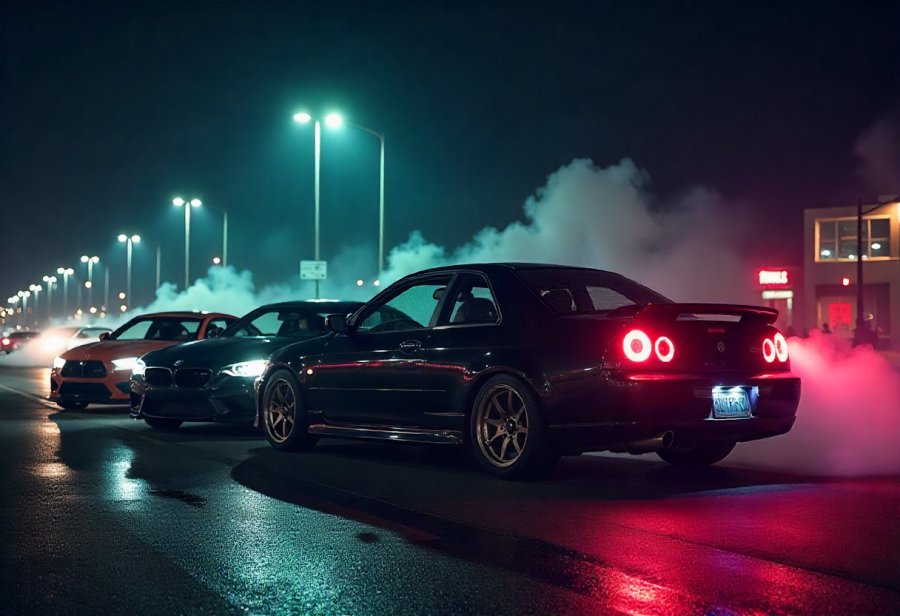
Today’s Scene: Modern Practices, Models, and Innovation in Street Racing
Today, underground street racing remains a dynamic and fiercely energetic scene, driven by a mix of passion, innovation, and tight-knit communities. Modern racers favor models like the Nissan Skyline, Honda Civic, Mazda RX-7, and Subaru WRX, all known for their tuning potential and speed capabilities. These cars are heavily modified with turbochargers, upgraded exhausts, digital tuning devices, and aerodynamic parts, transforming everyday vehicles into street racing monsters. The technical skill involved is impressive, with enthusiasts constantly pushing their machines further through creative engineering and experimentation.
Despite ongoing law enforcement crackdowns and safety concerns, the scene persists largely through online platforms like Instagram, TikTok, and YouTube. Racers share videos of their races, showcase custom builds, and organize clandestine events across cities and even countries. This digital connectivity creates a global web of shared passion—riders who may never meet face-to-face but are united by their love for speed and brotherhood. It also facilitates quick sharing of modifications, race locations, and strategies, keeping the scene vibrant and ever-evolving.
Races are typically held in secret locations such as industrial zones, abandoned lots, or back alleys, chosen for their seclusion. These high-stakes moments are often brief but intense, packed with adrenaline and risk. Trust and loyalty are essential; crews operate like families, supporting each other with repairs, resources, and protection during police raids. The focus remains on the pure thrill of the race, the mastery of the machine, and the bonds forged in these high-pressure moments, which reinforce a sense of community among participants.
Car culture is a major part of the scene’s identity. Models like the Nissan Skyline R34, Honda Civics, Mazda RX-7s, and Subaru WRXs are more than just vehicles—they’re symbols of individuality and pride. Custom paint jobs, decals, and performance upgrades reflect personal style and crew affiliation. This vibrant visual language turns streets into rolling exhibitions of personality, craftsmanship, and rebellion, fueling both competition and camaraderie.
Technological advances continue to shape underground racing. Digital tuning software, GPS tracking, and even drone footage are changing how races are organized and experienced. These tools help racers optimize performance, organize secret events, and document their achievements for online communities. Despite the risks, the core of the scene—speed, brotherhood, and resilience—remains unchanged, pushing enthusiasts to innovate while preserving their underground roots.
Even with increased scrutiny, the spirit of underground racing endures through the bonds of loyalty and shared experience. The scene’s resilience lies in its ability to adapt—integrating new technologies, embracing digital culture, and exploring safer, more organized events that still capture the essence of rebellion and kinship. As new generations step into the shadows, they carry the torch of loyalty and passion, ensuring that underground street racing remains a vital, living culture rooted in community, speed, and defiance.
The Brotherhood of Speed: Loyalty, Trust, and Shared Identity Among Racers
Loyalty is the heartbeat of underground street racing, transforming it from a mere pursuit of speed into a close-knit community built on trust and shared sacrifice. Racers don’t see each other just as competitors; they are brothers and sisters united by late-night drives, risky runs, and a collective reliance on one another. These bonds are forged in garages and on shadowy streets, where secrets about car setups and race strategies are exchanged, and where support during police raids or mechanical breakdowns is unwavering.
This sense of brotherhood runs deep, rooted in the sacrifices made for each other’s safety and success. Whether helping to fix a car in the dead of night, sharing resources, or covering for a crew member in moments of danger, these acts reinforce a collective identity. Wins and close calls become communal stories that strengthen their connection, turning fleeting moments of adrenaline into lifelong memories. The loyalty earned is never superficial; it’s built through shared risks and mutual respect that grow stronger with every challenge.
For many racers, their crew is more than just a team—it’s a family. The camaraderie is palpable, with stories of how these relationships influence their lives beyond the streets. Their loyalty isn’t blind; it’s earned through consistent sacrifice and trust, creating a safety net in a scene that’s unpredictable and often dangerous. Knowing someone has your back fuels bigger risks and pushes members to new heights, knowing they’re part of something greater than just a race.
Betrayals or internal disputes threaten this fragile fabric, and internal conflicts over resources or priorities can cause rifts. External pressures, especially from law enforcement, demand secrecy and discretion, making trust even more vital. Despite these hurdles, the core bonds remain resilient, holding the community together through years of shared hardship, danger, and victory. These relationships are what turn a group of speed enthusiasts into a true family.
This brotherhood is what sustains the scene through generations, transforming fleeting midnight races into stories of loyalty and resilience. It’s about more than winning; it’s about belonging and sacrifice. These bonds forge a culture of resilience that endures amid crackdowns and technological change, ensuring the spirit of loyalty remains central.
Even as the scene evolves with new technology and shifting societal attitudes, the essence of loyalty and kinship persists. The shared experiences—late-night drives, repairs, and secret gatherings—continue to define the community. The bonds formed in the shadows are what make underground racing more than just a hobby—they make it a way of life, rooted in unwavering loyalty and brotherhood that keeps the scene alive and thriving.
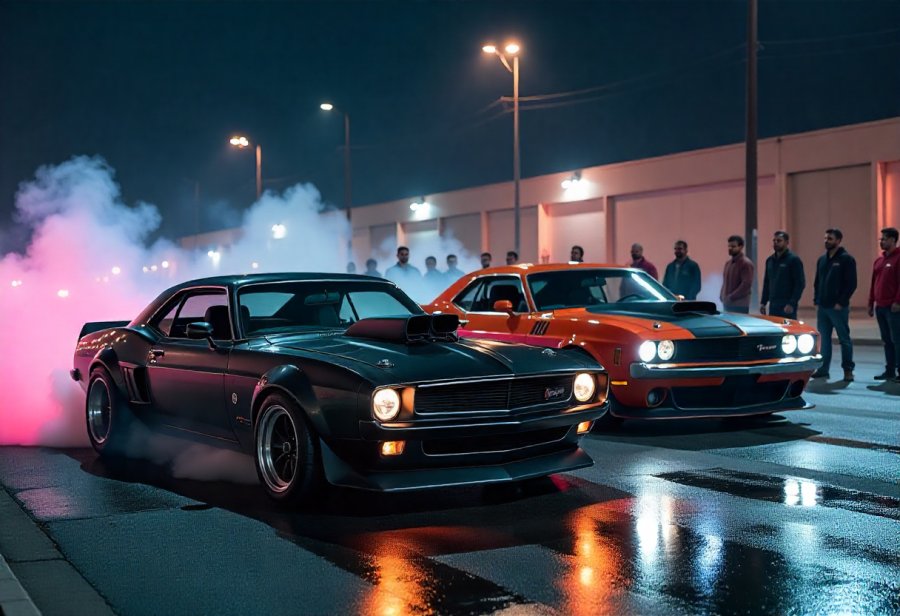
Future Horizons: Innovations, Challenges, and the Evolution of Street Racing Culture
Looking ahead, underground street racing is likely to continue evolving, blending its rebellious spirit with new technology and global connectivity. Digital tools like performance tuning apps, GPS tracking, and online forums already reshape how racers organize, share insights, and push their limits. These innovations make it easier to coordinate secret races across different cities and countries, creating a worldwide network rooted in loyalty and discretion. The rapid exchange of race footage, modifications, and strategies keeps the scene fresh and competitive, fostering a sense of community that knows no borders.
Electric vehicles are starting to make their mark, offering new possibilities for high-speed street racing. With faster acceleration and lower maintenance, EVs could appeal to racers seeking an edge while also introducing a more sustainable aspect to the culture. As battery tech advances, we might see electric models competing alongside traditional gas-powered cars, challenging longstanding norms while maintaining the adrenaline-fueled excitement that defines underground racing.
Organized, sanctioned events could become more common, providing safer environments without stripping away the core values of brotherhood and loyalty. Some communities are exploring controlled races with safety measures, official timing, and rules designed to protect everyone involved. These efforts could legitimize parts of the scene, attract younger generations, and reduce risks, all while preserving the spirit of rebellion and kinship that fuels the culture.
Despite these changes, the essence of underground racing remains rooted in community and trust. The bonds formed during late-night runs, shared repairs, and secret gatherings are what keep the scene alive. As technology and societal attitudes shift, racers adapt—embracing digital innovations, eco-friendly modifications, or more organized formats—without losing sight of their core values. Loyalty, resilience, and the love of speed continue to be the driving forces.
The scene will also face ongoing challenges from law enforcement and safety concerns, which will likely push crews to become even more creative and secretive. This cat-and-mouse game deepens the bonds of loyalty, making secrecy an even more vital part of the culture. New generations, influenced by changing values, may steer street racing toward more inclusive and responsible practices, blending tradition with innovation.
Ultimately, underground street racing’s future hinges on its ability to adapt while maintaining its rebellious core. As long as the bonds of brotherhood and shared passion endure, the scene will continue to thrive in the shadows, fueled by a desire for independence and the thrill of the race. This resilience ensures that the culture remains relevant, alive, and deeply rooted in community, no matter how much the world around it changes.