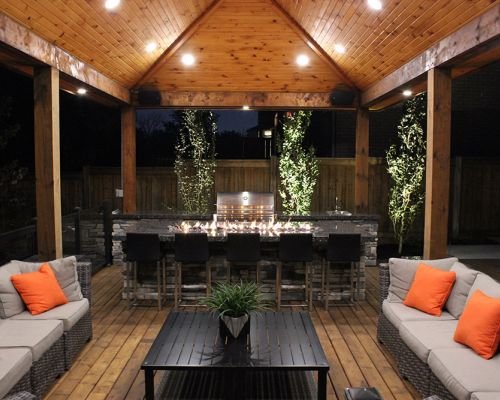
Transforming Toronto yards into stunning outdoor retreats is about more than aesthetics; it’s a delicate balance of beauty, sustainability, and client satisfaction. How can design create a space that reflects personal style while supporting environmental health? This guide explores thoughtful strategies—from zoning and natural features to eco-friendly materials—that turn ordinary yards into personalized sanctuaries. Emphasizing native plants, water conservation, and innovative technologies, it shows how sustainable landscape design sustains both the environment and long-term beauty. Clear, collaborative processes ensure the final result aligns with homeowners’ visions, integrating functional features like fire pits and shade structures seamlessly. Achieving harmony between visual appeal and ecological responsibility demands meticulous planning, expert execution, and ongoing care. Can design truly fulfill the desire for a beautiful, inviting, and environmentally sound outdoor space? With careful attention, the answer is a resounding yes—creating resilient landscapes that bring joy today and endure for generations.
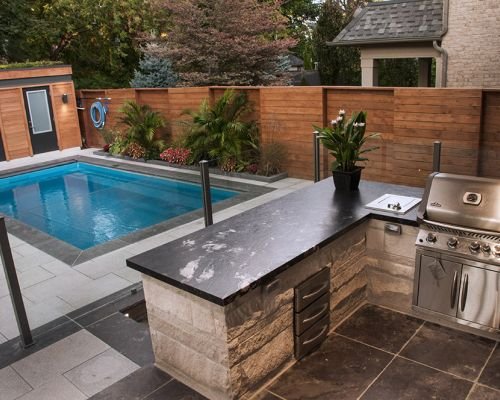
Transforming Toronto Yards Into Personal Outdoor Retreats
Transforming a Toronto yard into a welcoming outdoor retreat is about more than just planting a few flowers or laying stones. It’s about creating a space that reflects the homeowner’s personality while balancing practicality and environmental responsibility. In Toronto’s vibrant urban landscape, designing a yard that’s both attractive and sustainable requires thoughtful planning and a good understanding of local conditions. These transformations turn ordinary outdoor areas into personalized escapes—perfect for relaxing, hosting friends, or simply enjoying nature.
A smooth transition from indoors to outdoors makes a yard feel inviting and functional. This involves carving out distinct zones for lounging, dining, or gardening that flow naturally into each other. Thoughtful placement of features like fire pits, water elements, and layered plantings can elevate the space into a tranquil sanctuary. Choosing materials and colors that complement the surroundings helps tie everything together, creating a cohesive and welcoming look. Privacy elements like screens or tall plants shield the yard from urban noise, turning it into a true retreat from city life.
Designing with sustainability in mind means selecting native plants that thrive in Toronto’s climate. These species require less water, fewer chemicals, and less maintenance, supporting local ecosystems while reducing costs. Incorporating eco-friendly features such as rain gardens or permeable pavements helps manage stormwater and conserve resources. Pairing these choices with durable, natural materials for pathways and furniture reinforces a commitment to environmental responsibility without sacrificing style. This balanced approach ensures the yard remains beautiful and resilient over time.
Listening to homeowners throughout the process is essential. Visual tools like sketches or digital renderings allow clients to see early concepts and provide feedback, ensuring their needs are met. Whether they envision a low-maintenance garden or a lively entertainment space, involving them from the start builds trust and results in a space that truly reflects their lifestyle. As the project progresses, integrating innovative features like smart lighting or shade structures can elevate the yard’s appeal, making it both stylish and highly functional.
Transforming a yard into a stunning outdoor retreat hinges on thoughtful planning, sustainable choices, and clear communication. When these elements come together, the result is a space that feels personal, looks beautiful, and supports the environment for years to come. With careful design and execution, Toronto yards can become lasting sanctuaries—spaces that bring joy today and stand strong for the future.
Foundations of Sustainable Landscape Design in Toronto
Sustainable landscape design in Toronto builds on a shift toward creating outdoor spaces that are both beautiful and environmentally responsible. Rather than focusing solely on ornamental features, this approach emphasizes ecological health, resource efficiency, and resilience, aligning perfectly with Toronto’s urban environment and climate. Early efforts in landscape architecture moved away from traditional, often resource-heavy practices, toward methods that support local ecosystems while maintaining visual appeal.
At the core of sustainable design are native plants, which have evolved to thrive in Toronto’s seasonal climate. Using these species reduces the need for supplemental watering, fertilizers, and pesticides, making landscapes easier to maintain and more eco-friendly. Native plants also support local biodiversity by providing habitat for birds, insects, and pollinators, enriching urban ecosystems and fostering a healthier environment.
Water management plays a crucial role in sustainable landscapes. Techniques like rain gardens, permeable pavements, and drip irrigation help control stormwater runoff and conserve water resources. These systems work with nature’s flow rather than against it, promoting healthy waterways and easing pressure on city sewer systems. They also create resilient landscapes capable of withstanding droughts and heavy rains, which are becoming more frequent due to climate change.
Eco-conscious materials further support this approach. Recycled pavers, responsibly sourced wood, and biodegradable mulches not only reduce environmental impact but also blend seamlessly into natural settings. These choices often enhance aesthetic appeal, demonstrating that sustainability and style can coexist effortlessly. Incorporating such materials also encourages reuse and supports a circular economy, minimizing waste.
Design principles now focus on harmony with the environment. Mimicking natural ecosystems through layered plantings—ground covers, shrubs, and trees—creates visual depth and provides habitat for wildlife. This layered approach makes landscapes more adaptable, durable, and capable of evolving with changing weather conditions, ensuring longevity and resilience.
Understanding Toronto’s specific climate is essential. Selecting native plants that tolerate cold winters and hot summers minimizes maintenance and chemical inputs, resulting in landscapes that stay lush and vibrant year-round. This climate-aware strategy ensures the landscape remains sustainable, reducing resource consumption while enhancing beauty.
Emerging technologies further enhance eco-friendly landscapes. Solar-powered lighting, rainwater harvesting, and smart irrigation systems help homeowners reduce energy and water use. These innovations make sustainable living more accessible, allowing residents to enjoy beautiful outdoor spaces that are both environmentally responsible and technologically advanced.
Incorporating these core ideas—native plants, water conservation, eco-friendly materials, and innovative practices—creates landscapes that are as resilient as they are attractive. By prioritizing ecological integrity alongside aesthetic appeal, Toronto’s outdoor spaces can flourish sustainably, offering lasting beauty and environmental benefits for years to come.

Design Strategies for Creating Stunning Outdoor Escapes
Creating a stunning outdoor retreat in Toronto goes beyond choosing pretty plants or laying stones; it’s about designing a space that feels welcoming and practical at the same time. A key strategy is to divide the yard into distinct zones—such as a cozy lounge area, an inviting dining space, and a lush garden nook—each serving a specific purpose. Thoughtful placement and flow between these areas make the yard feel larger and more inviting, encouraging homeowners to spend more time outside.
Natural features like a small pond, a fire pit, or layered plantings can transform a simple yard into a peaceful sanctuary. These elements add visual interest and create an atmosphere of calm, making outdoor relaxation effortless. Selecting materials and colors that blend with the surroundings helps tie everything together, establishing a cohesive look that feels both natural and intentional. Privacy screens or tall plants are essential for shielding the space from urban noise and unwanted views, enhancing the retreat’s sense of seclusion.
Designing with sustainability in mind is just as important as aesthetics. Native plants that thrive in Toronto’s climate require less watering and chemical intervention, supporting local ecosystems while reducing maintenance. Incorporating water-saving features like rain gardens or drip irrigation helps manage stormwater and conserve resources, making the yard more resilient during droughts or heavy rains. Durable, natural materials for pathways and furniture further reinforce a commitment to eco-friendly design without sacrificing style.
Involving homeowners throughout the process ensures the final space aligns with their vision. Using visual tools like sketches or digital renderings early on allows clients to provide feedback and feel confident in the direction of the project. Whether they want a low-maintenance retreat or a lively entertaining area, early input helps customize the design to fit their lifestyle perfectly. As the project unfolds, adding features like shade structures, smart lighting, or fire pits elevates the yard’s functionality and style.
Balance is key. A well-designed outdoor retreat combines beauty, practicality, and environmental responsibility seamlessly. Thoughtful planting, strategic zone layout, and eco-conscious choices create a space that’s not only visually appealing but also durable and sustainable. When these elements come together, the yard becomes a true extension of the home—an inviting sanctuary built to last.
Every detail, from selecting resilient plants to choosing eco-friendly materials, contributes to a landscape that withstands Toronto’s seasonal shifts. Proper planning and attention to scale ensure the yard remains inviting year-round, reducing the need for constant upkeep. This long-term perspective means homeowners can enjoy their outdoor space without worry, knowing it’s designed for resilience and beauty.
Finally, innovative features like smart lighting, rainwater harvesting, and sustainable hardscapes keep outdoor retreats fresh and adaptable. Embracing new technology and eco-friendly practices allows landscapes to evolve with changing trends and climate conditions. When combined thoughtfully, these strategies produce outdoor spaces that are both stylish and responsible—places where homeowners can relax, entertain, and enjoy nature for years to come.
Executing Seamless Landscape Projects with Precision and Care
Delivering a seamless landscape project in Toronto starts with clear communication and meticulous planning from day one. We work closely with homeowners to understand their vision, priorities, and how they intend to use their outdoor space. Using visual tools like sketches and digital renderings early on helps clients visualize the concept and provide valuable feedback, reducing surprises during installation. When everyone agrees on the plan upfront, the transition from design to execution becomes smooth and efficient.
Once the design is finalized, coordinating skilled installation teams is crucial. Attention to detail during construction ensures that plants, stones, and features align perfectly with the approved plan. Precise execution guarantees the finished landscape reflects the original vision and functions as intended. Regular communication among contractors and project managers keeps the work organized, minimizes delays, and prevents disruption to the property and its residents.
Incorporating eco-friendly practices throughout installation adds lasting value. Using recycled materials, responsibly sourced wood, and sustainable hardscapes supports environmental goals without compromising style. Proper handling of native plants, soil preparation, and water-efficient features like rain gardens and drip irrigation promotes healthy growth and landscape resilience. These sustainable choices create a yard that’s both beautiful and environmentally responsible.
Flexibility during installation is key. Soil conditions, weather, or unforeseen challenges can require adjustments. A team that adapts quickly and maintains open dialogue with homeowners ensures the project stays on track. This collaborative approach transforms potential setbacks into opportunities for creative problem-solving, ultimately delivering a result that exceeds expectations.
Every step of the process should reflect professionalism, quality, and a shared commitment to sustainability. From initial consultation through the final touches, clear communication and expert coordination ensure the project runs smoothly. When design and installation work in harmony, the landscape becomes a cohesive, durable, and stunning outdoor retreat.
Attention to detail during installation guarantees long-term success. Proper planting techniques, quality materials, and thoughtful placement foster healthy growth and landscape longevity. This careful approach ensures the yard remains vibrant and functional for years, reducing maintenance and environmental impact.
Maintaining flexibility and open communication allows us to handle unexpected challenges without compromising quality. This teamwork turns complex projects into seamless experiences, resulting in outdoor spaces that homeowners will cherish. The final landscape should feel like a natural extension of their home—beautiful, functional, and built to last.
By focusing on precision, collaboration, and sustainable practices, we create outdoor environments that satisfy aesthetic desires and environmental responsibilities. When every element is executed thoughtfully, the result is a resilient, inviting retreat that reflects the homeowner’s vision and respect for the surrounding ecosystem.
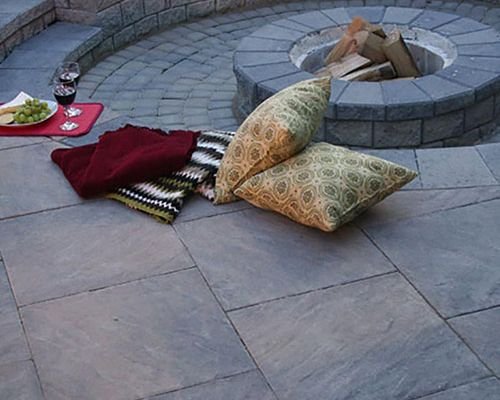
Achieving Balance: Beauty, Sustainability, and Satisfaction in Toronto Yards
Balancing beauty, sustainability, and client satisfaction in Toronto yards is more than an ideal—it’s the foundation of good landscape design. When these elements work together, the result is an outdoor space that feels personal, looks stunning, and supports the environment over the long term. Achieving this harmony starts with understanding what homeowners truly value and translating that into thoughtful, eco-conscious choices that stand the test of time.
Native plants play a central role in creating resilient, low-maintenance landscapes. They’re naturally adapted to Toronto’s climate, requiring less water, fewer chemicals, and minimal upkeep. By pairing these with eco-friendly materials like recycled pavers and responsibly sourced wood, designers can craft spaces that are both attractive and environmentally responsible. This approach proves that responsible landscaping doesn’t mean sacrificing style; it enhances it.
Listening closely to homeowners throughout the process ensures the final yard reflects their personality and needs. Early involvement builds trust and helps customize every detail—from plant selections to features like fire pits or shade structures. When clients feel heard and engaged, they develop a sense of ownership, which makes the space more meaningful and satisfying. This collaborative process transforms a well-designed plan into a true reflection of the homeowner’s lifestyle.
Water conservation and climate resilience are critical to long-term success. Incorporating rain gardens, drip irrigation, and smart technology not only conserves resources but also enhances the yard’s durability during seasonal shifts. These features support a lush, vibrant landscape year-round, reducing maintenance costs and environmental impact. When integrated seamlessly, they elevate the outdoor retreat from beautiful to sustainable—a space that thrives naturally and requires less intervention.
A long-term perspective on maintenance and material durability ensures the outdoor space remains inviting for years to come. Proper planting, soil management, and seasonal adjustments sustain plant health and landscape integrity. When every element is thoughtfully selected and cared for, the yard becomes a lasting sanctuary that balances aesthetic appeal with ecological responsibility. This enduring harmony is the true mark of a successful transformation.