What if the biggest obstacle to learning to swim isn’t the water itself, but the courage to take that first step? This inspiring journey reveals how overcoming water fears transforms confidence, safety, and joy at any age. From nervous beginners clutching floaties to adults swimming their first strokes unassisted, each small victory signifies progress—proving that water can be a space for growth rather than dread. The path begins with mastering core principles like calm breathing, floating, and gentle submersion, fostering mental and physical trust in water. Modern instruction emphasizes safety, support, and positive reinforcement, making the process accessible and engaging. With patience and persistence, water shifts from a source of anxiety to a realm of adventure, resilience, and personal achievement. Are you ready to confront your fears and discover the freedom that learning to swim can unlock? This journey is about more than strokes—it’s about transforming your mindset and embracing lifelong confidence.
Transforming Fears into Confidence: Your Journey in Learning to Swim
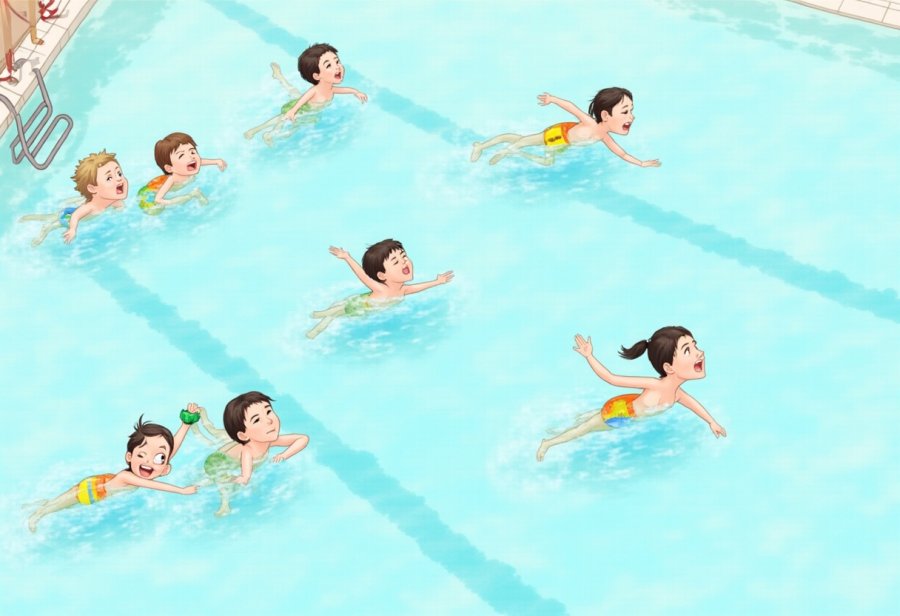
Learning to swim is about more than just mastering strokes; it’s a journey of personal transformation that can change how you see yourself and your capabilities. For many people, water fears act as a barrier, keeping them from enjoying aquatic activities fully. Whether those fears stem from childhood worries or adult hesitation, they often linger quietly, shaping your relationship with water. Taking that first step into the pool might seem intimidating, but it marks the beginning of a process that can build confidence and independence.
Confronting water anxiety isn’t just a physical act—it’s a mental shift. Starting with simple actions like splashing, floating, or blowing bubbles gradually chips away at fear. Each small step helps you feel more in control, transforming water from a source of dread into a space of learning and growth. As you become more comfortable, your mind begins to trust your body’s responses, making water feel less threatening and more familiar.
This journey of overcoming fears is unique and personal. It’s about showing up consistently and celebrating every tiny victory—whether that’s floating a little longer or taking a breath underwater. These moments reinforce that water isn’t an enemy but a place where you can thrive. Over time, your confidence expands beyond the pool, influencing your attitude toward challenges in daily life, fostering resilience and patience.
What makes this process especially powerful is that it’s accessible to everyone, regardless of age. Whether you’re helping a child conquer their first fears or facing your own water anxieties as an adult, each brave step counts. Progress might be slow at times, but persistence and a positive mindset turn initial apprehensions into genuine confidence and even enjoyment.
Learning to swim isn’t just about physical skills; it’s about reshaping your mindset. With each new skill learned and fear overcome, you begin to see water as a safe space rather than a threat. This shift opens the door to new experiences—joyful moments in pools, lakes, or oceans—where freedom and adventure await.
The transformative power of swimming extends beyond the water itself. It teaches resilience, patience, and trust in your own abilities. When you push past doubts and embrace the challenge, you discover a strength that can carry over into all areas of life. That first courageous step might be small, but it holds the potential to unlock a lifetime of confidence.
Ultimately, learning to swim is a reminder that fears are often just obstacles waiting to be overcome. With courage and persistence, you can turn water from a source of anxiety into a space for growth, joy, and personal achievement. Every step forward is a step toward becoming a more confident, resilient version of yourself.
Foundations of Courage: Building Water Confidence from the Ground Up
Building water confidence begins with understanding and mastering a few core principles that set the foundation for progress. Feeling comfortable in the water relies on learning to breathe calmly, relax, and trust your body’s natural responses. When you focus on steady breathing and staying relaxed, water becomes less intimidating and more manageable. Simple skills like floating effortlessly, submerging your face, and practicing gentle inhalations help create a sense of familiarity and control, gradually reducing anxiety.
Consistent practice of these fundamental techniques is essential. Repeating controlled breathing, floating, and gentle submersion helps your body and mind adapt to water’s sensations. Over time, these actions become second nature, and the fear of losing control diminishes. Instead, water transforms into a safe space where movement feels natural, and confidence begins to grow. This mental shift is just as important as physical skill development, fostering patience and resilience along the way.
Looking back at the history of swimming instruction reveals how attitudes toward water safety and confidence have evolved. Ancient societies relied on swimming as a survival skill—crossing rivers or avoiding danger. As organized lessons emerged, the focus shifted to basic survival techniques like floating and self-rescue, laying the groundwork for modern confidence-building approaches. Today, instruction balances physical skills with psychological comfort, emphasizing positive experiences that boost self-assurance.
Modern programs incorporate core principles that continue to support water confidence. Techniques such as controlled breathing, floating, and gentle submerging promote relaxation and trust. Cultivating patience and resilience is vital—progress often comes in small steps, and setbacks are normal. Viewing water as a safe environment for exploration encourages learners to embrace their journey, which helps foster genuine confidence over time.
Technological advances and changing cultural attitudes further influence how water confidence develops. Coastal communities, for example, often teach children early, emphasizing water safety and enjoyment. Innovative tools like underwater feedback devices, interactive apps, and virtual reality simulations make learning engaging and accessible, helping learners visualize progress and reduce anxiety. These resources, paired with supportive instruction, make building water confidence a more inviting and achievable process.
Ultimately, developing confidence in the water isn’t just about acquiring skills; it’s about cultivating a mindset rooted in patience, trust, and persistence. Each small step—whether it’s floating longer or taking a breath underwater—reinforces that water is a safe space for growth. By practicing regularly and maintaining a positive outlook, learners gradually replace fear with enjoyment, transforming their relationship with water from apprehension to adventure.
Navigating Today’s Water Education: Safety, Innovation, and Engagement
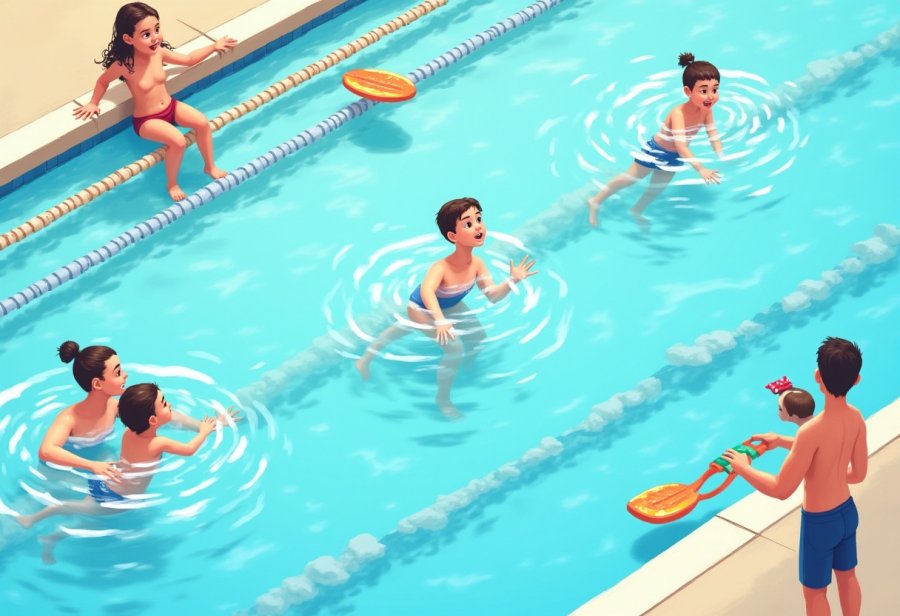
Today’s approach to swimming education is more structured and accessible than ever before. Modern programs are carefully designed to meet the needs of different age groups and skill levels, seamlessly blending safety with enjoyment. Whether in community pools, school lessons, or private studios, these classes focus on making learning water skills both fun and effective, guiding learners step by step toward confidence. The emphasis is on creating positive experiences that foster trust and eagerness to progress.
Safety protocols have become more rigorous and standardized across the board. Certified lifeguards are a staple at most facilities, and emergency procedures are regularly practiced to ensure readiness. Equipment like floaties, kickboards, and life jackets are used thoughtfully to help beginners feel secure while practicing new skills. These measures build a sense of safety that allows learners to focus on developing their abilities without fear, laying the groundwork for trust and confidence in the water.
Training methods have evolved significantly with advances in technology and research. Instructors now incorporate video analysis, underwater feedback devices, and interactive apps that help students visualize their movements and identify areas for improvement. Group lessons, private coaching, and even virtual reality setups cater to different learning styles, making the process more engaging and personalized. This diversity in approach helps maintain motivation and accelerates confidence-building, making the journey less daunting and more rewarding.
A growing focus on psychological comfort plays a key role in modern swimming education. Instructors encourage relaxation, enjoyment, and resilience, emphasizing that mistakes are part of the learning process. Positive reinforcement and patience foster a supportive environment where learners feel safe to push their limits. When learners feel supported and confident, they tend to progress faster and develop a genuine love for water activities, transforming initial fears into excitement.
Accessibility has expanded greatly, with community initiatives, school programs, and private studios working to reach a broader audience. Efforts to serve underserved communities aim to make water safety and confidence universal goals. Technological innovations, like virtual reality training and gamified learning apps, are making water safety education more engaging and less intimidating. These tools help learners familiarize themselves with water environments in controlled, low-pressure settings, turning anxiety into curiosity and confidence. The blend of tradition and innovation now ensures that more people can learn to swim safely and enjoyably, regardless of background or age.
Conquering Anxiety: Practical Strategies to Overcome Water Fears and Grow Confident
Overcoming water fears starts with small, manageable steps that make the process feel less intimidating. Begin with simple activities like splashing water, blowing bubbles, or gently submerging your face. These actions help desensitize anxiety and create positive associations with water. Pairing them with slow, controlled breathing—deep inhales and steady exhales—calms your nervous system, fostering a sense of control and relaxation. Over time, these tiny exposures diminish fear, making each new step feel more natural.
Supportive tools like floaties, kickboards, or a life jacket can provide crucial reassurance when building trust in the water. These aids serve as safety anchors, allowing you to practice movements or breathe comfortably without feeling overwhelmed. As confidence grows, gradually removing these supports reinforces your belief in your ability to handle water independently. This progression from reliance to independence transforms water from a threat into a space for growth and enjoyment.
Shifting your mindset is essential. Embrace patience and self-compassion, recognizing that progress isn’t always linear. Celebrate small victories, like floating a little longer or taking a breath underwater. Visualize yourself performing these skills calmly, which rewires your mental approach and reduces anxiety. These mental strategies strengthen your resolve, making it easier to face challenges as they come.
Consistency makes a real difference. Short, frequent practice sessions help reinforce new skills and familiarity more effectively than sporadic efforts. Repetition helps your body and mind remember what to do, slowly replacing fear with confidence. Focus on making each experience positive and predictable, which encourages persistence. As you accumulate small wins, water begins to feel less foreign and more like a safe space for exploration.
Creating a supportive environment amplifies your confidence. Whether it’s an instructor, a friend, or a loved one, their encouragement and presence provide reassurance. Knowing someone is there to guide and cheer you on can make trying new skills less daunting and more enjoyable. This sense of support helps you stay motivated and reduces feelings of isolation or fear.
Be patient with yourself. Every small step forward—whether it’s floating longer or taking a breath—serves as proof that fears can be managed. These moments of achievement build momentum, transforming water from a source of anxiety into a place of confidence and fun. Remember that setbacks are normal; they’re simply part of the learning curve. With persistence and a focus on safety, overcoming water fears becomes a realistic and rewarding goal.
Finally, keep in mind that this journey is deeply personal. Some progress quickly, others more slowly, but each effort counts. Maintaining a positive attitude, practicing regularly, and celebrating every victory create a foundation for lifelong water confidence. By combining practical techniques with mental resilience, you turn water from a source of fear into a space for joy, discovery, and personal growth.
Celebrating Growth: Key Lessons on Courage, Persistence, and Safety in Swimming
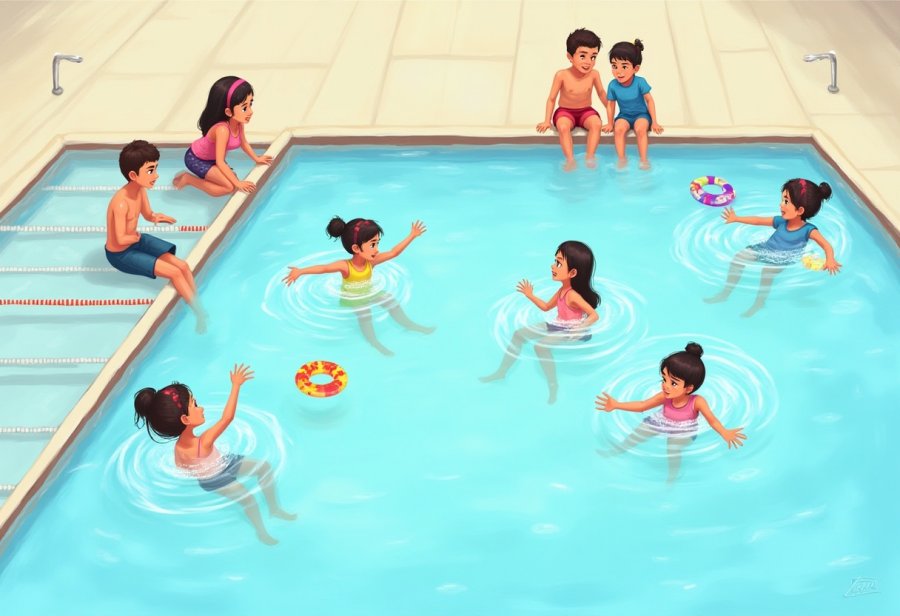
Learning to swim is a journey that highlights the vital roles of courage, persistence, and safety. Every small victory—whether it’s dipping toes in the water for the first time or floating confidently—serves as a reminder that facing fears head-on makes a difference. Progress often comes gradually, but staying committed and patient allows fears to transform into genuine confidence and enjoyment. Recognizing that setbacks are normal helps maintain motivation and keeps the focus on long-term growth.
Safety remains the foundation of every step forward. Using appropriate equipment, following established guidelines, and practicing under supervision create a secure environment where trust and confidence can flourish. When safety measures are in place, learners feel more comfortable to push boundaries, which accelerates their development and deepens their trust in their abilities. Confidence grows strongest when risks are managed, and support is readily available.
Building water confidence isn’t about quick fixes; it’s about consistent effort and celebrating small wins. Each successful float, breath, or step forward affirms that fears are manageable. These moments of achievement reinforce the idea that water is a space for growth rather than danger. Over time, the collection of small successes reshapes perceptions, making water feel less threatening and more inviting.
Persistence is key. Even when progress feels slow or obstacles seem insurmountable, continuing your practice makes a difference. Every attempt to face water fears, no matter how minor, chips away at anxiety and builds resilience. As trust in your skills increases, water becomes less intimidating and more a realm of exploration and fun. This steady effort creates a foundation for lifelong confidence.
This process is deeply personal; some may see rapid improvements, while others need more time. The essential thing is to stay positive, embrace each small step, and recognize that growth happens gradually. Patience combined with a focus on safety forms a sturdy base for transforming water fears into lifelong confidence and joy.
Supporting others on their journey amplifies motivation and reassurance. Encouragement from friends, family, or instructors reminds learners they aren’t alone in their efforts. This shared confidence fosters a safer, more encouraging atmosphere, making the path to water mastery more rewarding. When safety and support go hand in hand, overcoming fears becomes a shared victory.
Remember, learning to swim goes beyond physical skills; it’s about cultivating a mindset rooted in bravery, resilience, and mindfulness of safety. These qualities turn water from a source of fear into a space for joy, discovery, and personal achievement. Each small victory builds a stronger, more confident swimmer, ready to embrace water activities with trust and enthusiasm.
The most meaningful gains come from understanding that bravery and persistence are your best tools. Every effort, no matter how small, contributes to a larger transformation—one that extends beyond the pool into everyday life. With patience and a focus on safety, the water becomes not just a challenge to conquer but a lifelong source of confidence and happiness.