
Are you truly leveraging the full potential of customized telephony solutions to transform your business communication? In today’s fast-paced environment, personalized systems like Grandstream’s advanced IP phones and cloud management platform GDMS promise to streamline workflows, enhance responsiveness, and support scalable growth. Yet, integrating these innovations can present challenges—compatibility issues, network limitations, and staff resistance—that demand careful planning and expert execution. Imagine turning routine calls into strategic assets, boosting customer experience, and empowering your team with features tailored precisely to your needs. As industry trends point toward AI-driven automation, 5G connectivity, and smarter device management, the question remains: are you prepared to embrace these changes and stay ahead of the competition? Unlocking operational efficiency isn’t just a possibility—it’s a necessity for future-ready organizations willing to innovate and adapt in a rapidly evolving digital landscape.
Harness the Power of Customized Telephony for Business Success
In today’s fast-moving business world, clear and reliable communication is essential for success. Tailored telephony solutions allow companies to craft systems that fit their specific needs, enhancing both efficiency and responsiveness. Instead of relying on generic setups, customized platforms support unique workflows, multiple device types, and seamless integration with existing infrastructure. This personalization turns routine calls into strategic tools that keep teams connected and agile. As organizations grow, their communication systems should evolve too. Investing in these solutions means building a flexible foundation capable of scaling with your business’s success. It’s not just about technology; it’s about creating a smarter way to stay connected.
Deploy Your Tailored Telephony System: Strategies and Best Practices
Deploying customized telephony solutions starts with a clear understanding of your organization’s specific communication needs. Analyze current workflows, call volumes, and growth plans to determine which features and device types will provide the greatest value. Selecting compatible devices, like Grandstream’s IP phones and gateways, ensures smooth integration and minimizes technical hiccups from the outset. Utilizing cloud management platforms such as GDMS simplifies setup, allowing you to configure, monitor, and manage devices remotely across multiple locations effortlessly. A robust network foundation—prioritizing sufficient bandwidth and Quality of Service (QoS)—is essential to maintain high call quality and reliable connections at all times. Early stakeholder engagement helps align the system with business goals, smoothing the transition for all users.
Once planning is complete, focus on streamlined deployment. Break the rollout into phases, starting with pilot groups to test configurations in real-world conditions. Gathering feedback during these initial stages allows for adjustments before full implementation, reducing potential disruptions. Detailed documentation of configurations and procedures ensures consistency across teams and locations, making future updates easier. Training staff on device features and system functionalities promotes confidence and encourages adoption. Clear communication about changes minimizes resistance, fostering a positive atmosphere for transition. Continuous monitoring during and after deployment helps identify issues early, enabling proactive support and quick resolution.
Device provisioning should leverage centralized management tools like GDMS, which enable remote configuration and updates. This approach saves time and reduces errors, especially when deploying large fleets of devices. Regular firmware updates are crucial to enhance security, fix bugs, and unlock new features. Setting up alert systems for device health and network performance ensures ongoing reliability. Integrating telephony with existing software platforms—such as CRM or helpdesk tools—maximizes workflow efficiency and promotes user satisfaction. Compatibility testing during setup prevents surprises and guarantees that all systems work together seamlessly.
Staff training is vital to maximize the benefits of your new telephony system. Offer hands-on sessions that familiarize users with key features like call forwarding, conferencing, and presence indicators. Simple guides and quick-reference cards support daily routines and reduce frustration. Encourage feedback from users to identify pain points or areas needing further explanation. Regular refresher courses maintain proficiency and introduce new features as updates roll out. Promoting an open dialogue helps build confidence and reduces resistance, ensuring staff are comfortable and competent with the new setup. A well-trained team translates into better communication, faster issue resolution, and higher overall productivity.
Monitoring system performance continuously allows for ongoing optimization. Use analytics tools to track call quality, system uptime, and user activity. Identifying patterns helps troubleshoot recurring issues and refine configurations. Periodic reviews of device utilization highlight opportunities to add new features or streamline workflows further. Staying alert to evolving business needs ensures your telephony system remains aligned with organizational goals. Additionally, proactive security measures—like regular password changes and network encryption—protect sensitive communication data. Regular audits and performance reports support data-driven decisions, keeping your system resilient against threats and inefficiencies.
Planning for future growth involves selecting scalable devices and management tools. Cloud-based platforms like GDMS facilitate easy expansion, enabling new users or locations to be integrated quickly without disrupting existing operations. Forecasting future needs helps prevent bottlenecks and ensures your infrastructure can support increased call volumes. Keeping abreast of technological trends—such as AI integration and 5G connectivity—positions your organization to leverage upcoming innovations. Regularly reviewing your telephony infrastructure enables timely upgrades and feature additions. This proactive approach ensures your communication system remains flexible, secure, and capable of adapting to your evolving business landscape.
Finally, establishing a dedicated support team or point of contact streamlines issue resolution and sustains system health. Clear escalation paths and troubleshooting procedures reduce downtime and frustration. Foster a culture of continuous improvement by encouraging staff to share insights and suggest enhancements. Implementing feedback loops ensures your telephony solution evolves in line with user needs and organizational changes. Regular training updates and documentation keep everyone informed and empowered. By maintaining a focus on reliability, security, and scalability, you turn your telephony system into a strategic asset that supports long-term growth.
Real-World Wins: How Customized Telephony Transforms Business Operations
Customized telephony solutions deliver tangible benefits across a variety of industries by streamlining communication workflows. Retail chains, for example, deploy Grandstream’s mass deployment IP phones in multiple locations, ensuring consistent, reliable contact points that speed up customer service and internal coordination. Healthcare providers gain from dedicated lines and quick-access features, which enhance response times and improve patient care. Manufacturing environments benefit from rugged phones built to withstand harsh conditions, reducing downtime and supporting safety standards. These practical applications demonstrate how personalized systems not only simplify daily operations but also elevate the overall experience for staff and customers alike. They turn routine communication into a strategic advantage that drives efficiency and growth.
Industry by Industry: Success Stories of Tailored Communication Solutions
Customized telephony solutions are transforming how different industries communicate, addressing their unique operational challenges. In retail, deploying Grandstream’s mass deployment IP phones across multiple locations ensures consistent, reliable contact points, speeding up customer service and internal coordination. Healthcare providers benefit from dedicated lines and quick-access features, which significantly improve response times and streamline patient management. Manufacturing environments rely on rugged phones designed to withstand harsh conditions, reducing equipment downtime and enhancing safety protocols. These tailored systems enable organizations to optimize workflows, boost productivity, and deliver better service. By customizing communication tools to fit specific industry needs, businesses turn everyday calls into strategic assets that drive growth and operational excellence.
Why Personalized Telephony Outperforms One-Size-Fits-All Systems
Personalized telephony systems clearly outperform generic solutions by tailoring features and workflows to meet specific business needs. This customization streamlines communication, reducing wait times and ensuring calls reach the right person swiftly. Unlike one-size-fits-all setups, tailored platforms eliminate unnecessary functions and confusing interfaces, making daily operations smoother and more intuitive. Devices like Grandstream’s IP phones can be configured with the most relevant features for each user, boosting productivity and satisfaction. Seamless integration with existing software further enhances efficiency, creating an environment that adapts as your business evolves. Overall, personalized systems build a reliable, flexible foundation that supports growth and improves both internal and customer interactions.
Innovations Driving the Future of Telephony Technology
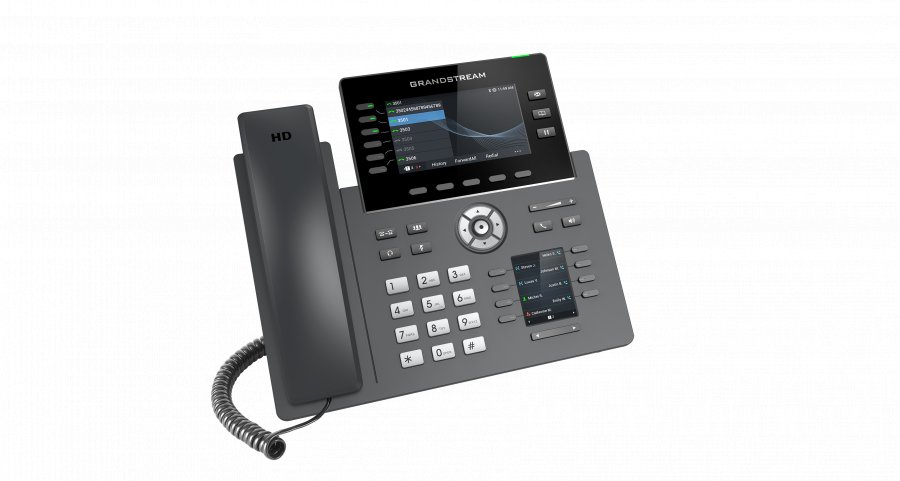
Recent advances in telephony technology are transforming how businesses customize their communication systems. Cloud management platforms like Grandstream’s GDMS have made device provisioning, updates, and monitoring more straightforward, even across multiple locations. These solutions enable centralized control, reducing the complexity of managing large device fleets and allowing for quick adjustments as needs evolve. Mass deployment devices, such as the Grandstream GRP series IP phones, simplify scaling efforts with easy remote configuration and management. This technology streamlines deployment processes, cuts down on technical support time, and ensures consistent performance. As a result, organizations can implement tailored solutions faster, more efficiently, and with greater flexibility than ever before.
Overcoming Challenges: Navigating the Pitfalls of Custom Telephony Deployment
Implementing customized telephony solutions can encounter compatibility issues, especially when integrating new devices with legacy systems or older network hardware. These mismatches often lead to delays and additional costs, potentially disrupting operations. Network limitations, such as insufficient bandwidth or poor Wi-Fi coverage, can compromise call quality and reliability, making consistent communication challenging. Resistance from staff unfamiliar with new technology may slow adoption, emphasizing the need for comprehensive training and clear communication. Security concerns around sensitive data require ongoing management to prevent vulnerabilities, adding complexity to deployment. Addressing these obstacles early ensures smoother integration and helps maximize the benefits of a tailored telephony system.
Expert Insights: Best Practices and Trends in Telephony Customization
Industry professionals agree that successful telephony customization begins with a deep understanding of a business’s unique workflows and communication needs. Conducting detailed assessments before choosing devices and features ensures the system genuinely supports daily operations, avoiding unnecessary complexity. Cloud management platforms like GDMS are frequently highlighted as game-changers, simplifying deployment, configuration, and ongoing oversight, even across multiple locations. Experts emphasize staying current with industry trends, such as AI integration and enhanced security protocols, to future-proof systems. Aligning technology choices with strategic goals unlocks maximum value, making systems more efficient and user-friendly. This thoughtful approach turns tailored telephony into a strategic asset, giving organizations a competitive edge in today’s fast-evolving landscape.

Pro Tips for Effective Implementation and Management of Your Telephony System
A successful deployment of customized telephony systems begins with thorough planning. Start by evaluating your current workflows, communication needs, and future growth targets. This clarity guides you in selecting the most relevant features and devices, ensuring your investment directly supports your operations. Leveraging cloud management platforms like GDMS simplifies setup, configuration, and ongoing device management across multiple locations, saving time and reducing errors. Engaging stakeholders early fosters alignment with business goals and smooths staff adoption. Clear, consistent communication throughout the rollout minimizes resistance and sets a positive tone for change. Providing hands-on training enhances user confidence, maximizing system utilization and easing daily routines.
Involving your team early encourages feedback that reveals hidden issues or opportunities for refinement. Regular input helps optimize configurations, workflows, and feature use, creating a more efficient system tailored to real-world needs. Ongoing monitoring of device performance and user experience enables proactive adjustments, maintaining high call quality and reliability. Staying current with firmware updates and security patches prevents vulnerabilities and keeps systems secure. A proactive support structure ensures quick resolution of issues, minimizing downtime and frustration, and maintaining trust in your communication infrastructure.
Prioritizing staff training ensures that users understand and effectively utilize key features like call forwarding, conferencing, presence, and quick access keys. Simple guides and quick-reference materials support daily use, reducing confusion and resistance. Encouraging questions and offering ongoing support fosters a culture of confidence and competence. When employees are well-trained and supported, they leverage the system’s full potential, resulting in smoother communication and faster problem-solving. This boosts overall productivity and enhances customer interactions.
Adopting a phased deployment approach minimizes risks and builds confidence. Starting with a pilot group allows testing in real conditions, with feedback guiding adjustments before broader rollout. This iterative process helps identify and resolve issues early, preventing widespread disruptions. As confidence grows, expand gradually, keeping stakeholders informed and involved at each stage. Continuous monitoring during each phase ensures issues are addressed promptly, facilitating a seamless transition. This careful, incremental approach creates a reliable foundation for long-term success and user acceptance.
Future-proofing your system involves selecting scalable devices and management tools. Cloud platforms like GDMS make adding users, locations, or features straightforward, supporting growth without disruption. Regular reviews of your telephony infrastructure help identify opportunities for upgrades or new capabilities aligned with emerging trends. Staying informed about innovations such as AI-driven call management, security enhancements, and 5G connectivity ensures your system remains competitive and adaptable. Proactive planning keeps your communication infrastructure resilient, flexible, and ready to meet evolving organizational demands.
Security should be integrated into every stage of deployment. Regular firmware updates, strong encryption protocols, and vigilant network monitoring protect sensitive data from threats. Educate staff about security best practices and establish clear procedures for handling communication tools securely. This ongoing vigilance prevents vulnerabilities and maintains trust. As your system evolves, continuous security assessments and audits help identify and rectify potential gaps. A security-first mindset safeguards your organization’s reputation, ensures compliance with regulations, and supports a stable, reliable telephony environment.
Establishing a dedicated support team or contact point streamlines issue resolution and sustains system health. Clear escalation paths and troubleshooting procedures reduce downtime and frustration. Foster a culture of continuous improvement by encouraging staff to share insights and suggest enhancements. Regular feedback loops help refine configurations, introduce new features, and adapt workflows, ensuring your telephony system evolves with your needs. Maintaining clear documentation and accessible resources empowers users and reduces support workload, keeping your communication environment efficient and resilient.
Effective management relies on continuous performance evaluation. Use analytics tools to monitor call quality, system uptime, and user engagement. Regular reviews highlight areas for optimization, whether in device configurations or workflow processes. Gather user feedback to identify pain points and opportunities for training or feature enhancement. This ongoing assessment supports a culture of continuous improvement, ensuring your telephony system remains aligned with your operational goals. Staying attentive to performance data and user insights helps you adapt quickly, maintaining high standards of communication, security, and user satisfaction over time.
Case Studies: Successes in Tailored Telephony Implementations
Many organizations have achieved remarkable results by implementing tailored telephony solutions. A retail chain, for example, deployed Grandstream’s mass deployment IP phones across multiple stores, using GDMS for centralized management. This streamlined setup enabled faster installation, consistent communication, and improved customer service, boosting overall efficiency. In healthcare, a provider customized its system with dedicated lines and quick-access features, significantly enhancing response times and patient coordination. Manufacturing facilities adopted rugged phones designed to withstand harsh environments, reducing downtime and supporting safety protocols. These real-world examples demonstrate how personalized telephony not only simplifies daily operations but also transforms communication into a strategic advantage, driving growth and operational resilience.
Technology at a Glance: Strengths and Weaknesses of Telephony Platforms
Grandstream’s telephony platforms are known for their scalability and rich feature sets, making them a popular choice for businesses seeking customized solutions. Their cloud management platform, GDMS, simplifies device provisioning, updates, and monitoring, even across multiple locations. However, some users face challenges integrating these devices with older or third-party systems, leading to compatibility issues and potential delays. While generally reliable, firmware glitches can occur, requiring ongoing support and troubleshooting. Configuration is straightforward for most standard features, but advanced functionalities may demand technical expertise. Proper planning and testing are essential to ensure seamless integration and to maximize the benefits of these versatile platforms.
Device reliability varies depending on usage environment and support. The GRP series IP phones are designed for mass deployment, with rugged models available for demanding conditions. These devices perform well when correctly configured, offering consistent voice quality and ease of management. Nonetheless, in high-demand scenarios or complex networks, occasional firmware bugs or hardware hiccups can impact performance. Regular firmware updates and proactive support help mitigate these issues, ensuring the devices remain secure and functional. Choosing the right device for each environment is crucial to avoid unnecessary disruptions and to maintain high standards of communication.
Compatibility remains a key concern when deploying telephony systems. Grandstream’s solutions generally integrate smoothly with their own ecosystem, but challenges can arise with legacy systems or third-party platforms. These mismatches often result in additional costs, delays, or the need for hardware upgrades. Compatibility testing during the planning phase can prevent surprises, ensuring all components work harmoniously. Attention to network infrastructure—like bandwidth capacity and QoS settings—also influences system stability. Addressing these factors upfront helps create a unified environment where customized features deliver their full potential without technical roadblocks.
The strength of Grandstream’s platforms lies in their flexibility and feature richness. From video conferencing capabilities to call routing and presence indicators, the options are extensive. This allows organizations to tailor their communication environment precisely to their needs, improving user productivity. However, complexity can increase with the number of features enabled, sometimes overwhelming less tech-savvy staff. Clear documentation and user training are vital to unlock the full potential of these solutions. When properly managed, the platforms support a dynamic, responsive communication network that adapts as your business evolves.
Security considerations are integral to any telephony deployment. Grandstream’s devices support encryption and secure protocols, but vulnerabilities can still develop if firmware is outdated or if network access is poorly managed. Regular firmware updates and strong password policies are critical to safeguard sensitive data. Administrators should also implement network security best practices, such as segmentation and monitoring, to prevent unauthorized access. Staying vigilant with security patches and audits helps maintain a resilient system capable of defending against evolving cyber threats. Proper security measures ensure your tailored solution remains both effective and trustworthy.
While Grandstream’s solutions offer impressive customization, they depend heavily on proper configuration. Missteps during setup can lead to subpar call quality, dropped connections, or feature malfunctions. Engaging experienced technicians or following detailed guidelines helps avoid these pitfalls. Testing configurations thoroughly before full deployment minimizes risks and ensures all features perform as intended. Regular maintenance, including firmware updates and system audits, sustains optimal operation over time. This proactive approach not only prevents issues but also extends the lifespan of your investment, keeping your communication system reliable and aligned with your business needs.
In summary, Grandstream’s telephony platforms provide a robust foundation for customized communication, blending flexibility with extensive features. Their scalability and management tools support growth and remote oversight, but success hinges on careful planning, thorough testing, and ongoing support. Compatibility and security are vital considerations, requiring attention during deployment to prevent disruptions. When managed effectively, these systems elevate operational efficiency, adapt to evolving demands, and deliver a seamless experience. Choosing the right devices, configuring them properly, and maintaining security creates a resilient infrastructure that truly amplifies your business’s communication potential.
Key Takeaways: Expert Recommendations for Future Success
Effective telephony implementation begins with a thorough understanding of your organization’s unique needs. Conduct detailed assessments of workflows, call volumes, and growth goals to identify the most impactful features and devices. Leveraging cloud management platforms like GDMS simplifies setup, ongoing management, and scalability, saving time and reducing errors. Early stakeholder engagement aligns technical choices with business objectives and smooths staff adoption. Clear communication and comprehensive training foster confidence and maximize system utilization from the start. Regular performance reviews and user feedback ensure continuous optimization, keeping the system responsive and aligned with evolving demands. Staying proactive in security, compatibility, and future-proofing strategies creates a resilient foundation for long-term success.
Next Steps: Actionable Strategies for Leveraging Customized Telephony
To make the most of your customized telephony system, start by thoroughly assessing your current communication workflows. Identify pain points and areas where tailored features can significantly boost efficiency. Choosing scalable devices like Grandstream’s IP phones and managing them through platforms such as GDMS simplifies deployment and future expansion. Engage stakeholders early to ensure alignment with your strategic goals, paving the way for smoother adoption. A phased rollout allows testing and refinements, reducing risks and minimizing disruptions. Regular training and ongoing support empower your team to maximize system capabilities and foster confidence.
Strengthening your network infrastructure is crucial. Prioritize increasing bandwidth, implementing Quality of Service (QoS), and ensuring wired connections for critical locations. These steps guarantee clear, reliable calls and seamless communication. Keep firmware and security updates current to protect sensitive data and maintain system stability. Compatibility checks during planning prevent costly surprises, ensuring all components work together smoothly. This solid foundation supports ongoing growth and adapts effortlessly to new features or increased demand.
Continuous monitoring and performance evaluation keep your telephony system optimized. Use analytics tools to track call quality, uptime, and user engagement, revealing opportunities for improvement. Gather user feedback regularly to address issues and refine workflows. Staying proactive with security measures—like encryption and password management—protects your communication environment. Routine audits and performance reviews ensure your system remains resilient, secure, and aligned with evolving business needs. This ongoing care turns your investment into a reliable, efficient asset.
Train your staff effectively to unlock full system potential. Offer hands-on sessions for key features like call forwarding, conferencing, and presence indicators. Clear, simple guides support daily use and reduce frustration. Encourage questions and provide ongoing support to build confidence and proficiency. When users feel supported and knowledgeable, communication flows more smoothly, boosting productivity and customer satisfaction. Empowered employees translate into better operational efficiency and quicker issue resolution.
Adopt a strategic, phased approach to deployment. Start with a pilot group to test configurations, gather feedback, and make adjustments. Gradually expand, keeping stakeholders informed at each stage. Continuous monitoring during rollout ensures issues are identified early, preventing widespread disruptions. This method builds trust, encourages user acceptance, and creates a strong foundation for long-term success. Regular reviews and updates keep the system aligned with your organization’s growth, ensuring it remains flexible and future-ready.
Finally, stay alert to emerging trends and technological innovations. Cloud platforms like GDMS will support your ongoing expansion, while advancements in AI and 5G will enhance system intelligence and reliability. Regularly review your telephony infrastructure to incorporate new features, strengthen security, and ensure compatibility. Embracing innovation proactively helps you maintain a competitive edge and adapt swiftly to changing demands. With thoughtful planning and continuous improvement, your tailored communication system will deliver sustained value—driving growth, enhancing responsiveness, and supporting your long-term strategic goals.
Recap of Core Insights on Tailored Communication Solutions
Tailored telephony solutions align communication systems directly with a business’s specific needs, offering clear operational advantages. They streamline workflows by directing calls more effectively, reducing wait times, and ensuring messages reach the right person swiftly. Customized platforms eliminate unnecessary features and confusing interfaces, making daily operations smoother and more intuitive. Devices like Grandstream’s IP phones can be configured with the most relevant features for each user, boosting productivity and satisfaction. Integration with existing software creates a seamless environment that adapts as your business grows. Overall, personalized systems provide a reliable, flexible foundation that supports expansion and enhances both internal and customer interactions.
Implementing these solutions begins with a thorough understanding of your organization’s unique requirements. Analyzing current workflows, call volumes, and future growth plans helps identify the most impactful features and devices. Leveraging cloud management platforms like GDMS simplifies deployment, configuration, and ongoing oversight, saving time and reducing errors. Engaging stakeholders early ensures the system aligns with strategic goals, easing staff adoption. Careful planning and phased rollouts, starting with pilot groups, allow for testing and adjustments that prevent disruptions. Continuous monitoring and feedback refine the system, boosting efficiency and user confidence over time.
The real-world benefits of customized telephony are evident across industries. Retail chains deploying Grandstream IP phones across multiple locations improve internal coordination and customer service speed. Healthcare providers gain from dedicated lines and quick-access features, enhancing response times and patient care. Manufacturing environments rely on rugged phones that withstand harsh conditions, reducing downtime and supporting safety. These practical examples demonstrate how tailored communication systems turn routine calls into strategic assets, driving operational efficiency, staff satisfaction, and customer experience.
Different industries face unique communication challenges that personalized telephony systems address effectively. Retail operations benefit from uniform, reliable contact points, while healthcare settings require quick access to critical information. Manufacturing sites need durable devices to handle tough environments, and offices seek seamless integration with productivity tools. Custom solutions enable these organizations to optimize workflows, improve responsiveness, and deliver better service. In each case, investing in tailored systems transforms everyday communication into a strategic driver for growth, resilience, and competitive advantage.
Compared to generic solutions, personalized telephony offers distinct advantages. It reduces inefficiencies by aligning features with specific workflows, minimizing unnecessary functions. Devices like Grandstream’s IP phones can be tailored to individual roles, enhancing productivity and user satisfaction. Seamless integration with existing software creates a unified environment that evolves with your business. This flexibility results in more reliable, scalable, and adaptable communication infrastructure, capable of supporting future growth without requiring complete overhauls. Personalization turns routine calls into powerful tools that strengthen operational performance and customer relations.
Recent technological advancements make tailored telephony more accessible and efficient. Cloud management platforms like GDMS enable centralized control, quick deployment, and remote updates across multiple locations. Mass deployment devices such as the Grandstream GRP series simplify scaling efforts, ensuring consistency in performance. These innovations reduce installation time, support remote troubleshooting, and maintain system security. As a result, organizations can implement personalized solutions faster, more cost-effectively, and with greater confidence. Embracing these technologies empowers businesses to stay ahead in a competitive landscape by leveraging flexible, future-proof communication systems.
However, deploying customized telephony systems comes with challenges. Compatibility issues may arise when integrating new devices with legacy infrastructure, leading to delays and additional costs. Network limitations, like insufficient bandwidth or weak Wi-Fi, can affect call quality and reliability. Resistance from staff unfamiliar with new tools emphasizes the importance of comprehensive training and clear communication. Security concerns around sensitive data require ongoing management and updates. Recognizing these obstacles early allows for strategic planning and mitigation, ensuring a smoother transition and maximizing the system’s benefits. Addressing potential hurdles proactively is key to unlocking the full potential of personalized telephony.
Expert insights highlight the importance of thorough assessment and strategic planning. Conducting detailed needs analyses helps select the right devices and features, avoiding unnecessary complexity. Cloud platforms like GDMS are vital for efficient deployment and management across multiple sites. Staying informed about industry trends—such as AI integration and enhanced security—ensures systems are future-ready. Aligning technology choices with long-term goals maximizes return on investment, improves user experience, and supports scalability. Thoughtful customization transforms telephony from a basic utility into a strategic asset that boosts operational efficiency, customer satisfaction, and competitive edge in a rapidly evolving landscape.
Reflections on the Future of Business Telephony Systems
The future of customized business communication promises a landscape that’s more intelligent, adaptable, and seamless than ever before. Advances in AI will enable smarter call routing, real-time analytics, and virtual assistants that personalize every interaction, enhancing both efficiency and customer experience. Cloud platforms like GDMS will become even more sophisticated, simplifying deployment and management across multiple locations while supporting rapid scaling. Devices will evolve to automatically adjust to individual workflows, creating intuitive user experiences that feel natural. With the rollout of 5G, call quality and network reliability will reach new heights, empowering remote and mobile workforces. These trends will reshape how organizations connect, collaborate, and compete in an increasingly digital world.
Emerging Trends Shaping the Next Generation of Telephony
The future of telephony is set to be reshaped by rapid technological advancements that will make communication smarter, more flexible, and highly integrated. Artificial intelligence will play a key role, enabling automated call routing, real-time analytics, and virtual assistants that deliver personalized experiences and improve operational efficiency. Cloud management platforms like GDMS will become even more sophisticated, simplifying deployment, scaling, and remote oversight across multiple locations. Devices will adapt to individual workflows, offering intuitive interfaces that feel natural and effortless. With the rollout of 5G, call quality will reach new levels of clarity and reliability, supporting a truly mobile and remote workforce. These innovations will create a seamless, secure, and future-proof communication environment that keeps organizations agile and competitive in an increasingly digital world.

Get Started Today: Embrace the Future of Customized Business Communication
Now is the perfect moment to act and transform your business communication with tailored telephony solutions. Upgrading to devices like Grandstream’s IP phones and managing them through platforms such as GDMS can deliver immediate boosts in efficiency and responsiveness. Start by evaluating your current workflows to identify where customized features can make a real difference. A strategic, phased rollout allows you to test, refine, and build confidence without disrupting daily operations. Investing in these systems isn’t just about technology—it’s about empowering your team and enhancing customer interactions. The sooner you take this step, the faster you’ll unlock new levels of productivity and stay ahead in a competitive landscape. Embrace the change today and set your organization on a path to sustained growth.