Learning to ride a bike is more than just a physical skill; it’s a profound journey of courage, resilience, and family connection. From tentative wobbles to confident rides, children navigate fears and setbacks that teach invaluable lessons about perseverance and self-trust. How does this simple act transform into a powerful metaphor for growth and independence? Families often share heartfelt stories of tumbles turned triumphs, illustrating that setbacks are stepping stones rather than obstacles. As technology advances—with virtual reality training, smart safety gear, and interactive apps—the process becomes safer and more engaging, opening new pathways for children to conquer their fears. Yet, beneath these innovations lies the timeless core: the unwavering support, patience, and encouragement of loved ones. Could the future make learning to ride even more accessible, or is it the shared moments of struggle and celebration that truly define this milestone? Either way, it remains a powerful symbol of childhood’s resilience, adventure, and hope.
The Joy and Significance of Learning to Ride a Bike
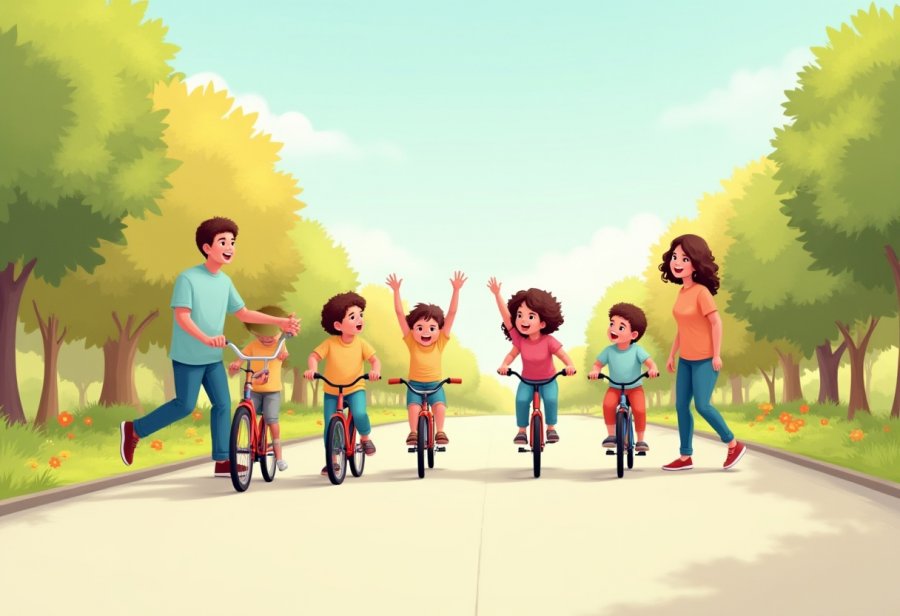
Learning to ride a bike is more than just picking up a new skill; it’s a universal milestone that symbolizes growth, independence, and connection. For children, the journey from tentative wobbling to confident riding is filled with emotion—moments of frustration, breakthrough, and pure joy. These experiences become cherished memories for families, bonding them through shared effort and encouragement.
This process often begins with choosing the right equipment—lightweight bikes that fit well and safety gear like helmets and pads to build confidence. Starting in a quiet, flat space such as a driveway or park creates a safe environment that allows kids to focus on mastering balance and coordination without feeling overwhelmed. It’s in these simple settings that the foundation for independence is laid.
The challenge of balancing on two wheels demands trust—trust in one’s own abilities and the support of loved ones. Many kids begin with training wheels or a balance bike, helping them feel steady as they learn to move forward. Wobbles and falls are common early hurdles, but each one offers an opportunity to learn resilience. Celebrating small victories, like a steady pedal or a moment of balance, keeps motivation high and frustration at bay.
As confidence grows, steering and navigating obstacles become the next steps. This phase is often marked by a mix of excitement and occasional setbacks, but with consistent practice, children begin to feel more in control. The moment they ride independently, without wobbling or help, is a milestone that signifies real progress—not just physically, but emotionally.
Throughout this journey, the role of family support is crucial. Parents and caregivers provide reassurance, celebrate progress, and turn setbacks into lessons in patience. These shared experiences deepen bonds, teaching children that perseverance and trust in oneself can turn fears into triumphs. Learning to ride a bike, in essence, becomes a reflection of life’s bigger lessons—courage, resilience, and the power of encouragement.
In the end, learning to ride a bike isn’t just about mastering balance; it’s about nurturing confidence that extends beyond the pavement. It’s a story of growth, of overcoming fears, and of family bonds strengthened through shared challenges. This milestone leaves an imprint that shapes how children approach future hurdles—with courage, persistence, and a sense of adventure.
Step-by-Step Adventure: Navigating the Learning Journey
Learning to ride a bike is a step-by-step journey filled with small victories and inevitable setbacks. It begins with selecting the right equipment—lightweight, well-fitting bikes and safety gear like helmets and pads are essential for building confidence and ensuring safety. Choosing a quiet, flat space such as a driveway or park creates the ideal environment where kids can focus on developing their skills without the added stress of traffic or uneven terrain.
The first hurdle is mastering balance. Many children start with training wheels or a balance bike, which helps them get comfortable moving forward without the fear of falling. Once they feel steady, the challenge shifts to pedaling—coordinating their legs, finding the right rhythm, and generating enough strength. Wobbles and falls are common early on, but with patience and encouragement, each stumble becomes a stepping stone, not a setback.
Encouragement plays a vital role throughout this process. Celebrating small accomplishments—like maintaining a steady pedal or balancing without assistance—keeps kids motivated and eager to improve. When setbacks occur, such as wobbles or tumbles, viewing them as natural parts of learning helps children develop resilience. Repeated practice turns frustration into confidence, reinforcing the idea that persistence pays off.
As children grow more comfortable, steering becomes the next focus. Guiding the bike left and right and navigating around obstacles adds a new layer of skill. This phase is often marked by a mix of excitement and frustration, but consistent practice gradually fosters control and independence. Each successful attempt, no matter how small, reinforces their belief in their abilities and encourages them to push further.
Finally, reaching the milestone of independent riding signifies a profound achievement. It’s not just about physical mastery but also about overcoming fears of falling or losing control. Every wobble, fall, and recovery teaches perseverance and trust in oneself. Supporting children through this process with patience and praise helps them internalize these lessons, setting a foundation for resilience that extends well beyond cycling.
Beyond the Pedals: How Riding Shapes a Child’s Growth and Family Bonds
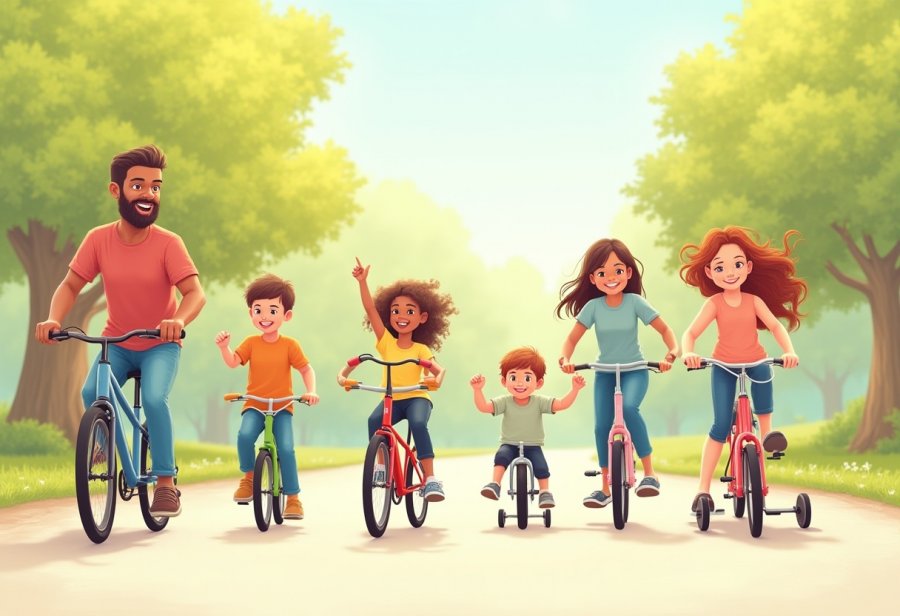
Learning to ride a bike extends far beyond mastering physical skills; it profoundly influences a child’s emotional growth and reshapes family dynamics. As children learn to balance, pedal, and steer, they develop essential traits like patience, persistence, and problem-solving. These qualities don’t just help them on two wheels—they become foundational tools for facing challenges in other areas of life. Gaining confidence in their ability to ride independently fosters a positive self-image, encouraging kids to see themselves as capable and resilient.
Within families, these shared milestones create deep, lasting bonds. Celebrating small victories—whether it’s overcoming wobbling or riding unaided for the first time—strengthens trust and communication. Parents become active partners in their children’s journey, offering reassurance and praise that reinforce perseverance. The support provided during falls and frustrations teaches patience and resilience, illustrating that setbacks are part of growth and can be overcome with persistence. These moments of shared effort become treasured memories, building a foundation of emotional security and mutual encouragement.
Learning to ride also sparks a newfound sense of independence. As children grow more comfortable on their bikes, they begin making decisions about routes, speed, and pacing. This autonomy boosts their confidence and prepares them for broader life experiences, from trying new activities to navigating social situations. Facing fears—like falling or losing control—strengthens emotional resilience. When parents provide reassurance and safety gear, children learn that fears can be managed and that persistence leads to mastery, instilling a sense of control over their fears.
The process of mastering cycling teaches valuable lessons about effort and perseverance. Every wobble, fall, and subsequent ride reinforces that setbacks are temporary and that persistence leads to success. These lessons in patience and self-trust shape how children approach future challenges, nurturing a mindset that obstacles are opportunities to learn rather than barriers. When they finally ride confidently without help, it’s a tangible sign of internalized resilience—an achievement that extends well beyond the physical act of cycling.
Ultimately, learning to ride a bike becomes a powerful metaphor for growth. It nurtures emotional strength, reinforces family bonds, and builds confidence that lasts a lifetime. These lessons—about perseverance, support, and trusting oneself—become lifelong tools, guiding children through new hurdles with courage and optimism. The experience of wobbling, falling, and eventually riding independently leaves an imprint that influences how they face the world: with resilience, independence, and a sense of adventure.
Real Stories of Triumph and Trials on the Path to Cycling Confidence
Many families have memorable stories about learning to ride that stick with them for years. One parent recalls how their child was initially nervous, gripping the handlebars tightly and wobbling uncontrollably during the first attempts. With patience, encouragement, and plenty of practice, the child gradually gained confidence, finally balancing well enough to pedal across the driveway without help. These moments highlight the emotional rollercoaster involved—moments of frustration, perseverance, and pure joy. Watching a child go from wobbling to riding smoothly feels like witnessing a small miracle, especially when they finally take off on their own.
Another common scene involves a child who falls repeatedly but keeps trying anyway. One little girl, after several tumbles, took a deep breath, put on her safety gear, and pushed herself to try again. Her parents cheered from the sidelines as she managed a few independent pushes, her face lighting up with pride. These stories show that learning to ride is not just about physical coordination but also about emotional resilience. Every fall, tear, and recovery becomes part of a meaningful journey—one filled with growth, patience, and the support of loved ones.
Many parents remember that moment when their child finally balanced confidently and rode without wobbling or stopping. It’s a milestone that often feels like crossing a finish line after weeks of effort. These small victories come after countless practice sessions, wobbling rides, and encouragement during setbacks. They serve as proof that persistence pays off, and that fears can be overcome with support. For children, it’s a lesson that setbacks are temporary and that they’re capable of more than they initially believed.
Sharing these stories builds a sense of community among parents and children alike. Hearing about others’ struggles and successes can inspire patience and remind everyone that each learning process is unique. Some kids pick it up quickly; others need more time, and that’s perfectly okay. The key is the support network—family, friends, and mentors—who cheer loudest when progress happens, no matter how small it may seem at the time.
These real-world examples also reveal that the journey involves more than just physical skills. It’s about teaching kids resilience, patience, and the importance of trying again after setbacks. When a child finally pedals away on their own, the pride isn’t just in mastering a bike—it’s in conquering doubt and fear. These stories remind us that each wobble and fall is a stepping stone, part of a broader lesson in perseverance and trusting oneself. In the end, these experiences shape confident, resilient individuals ready to face new challenges with courage and a sense of adventure.
Riding into the Future: Innovations and Endless Possibilities
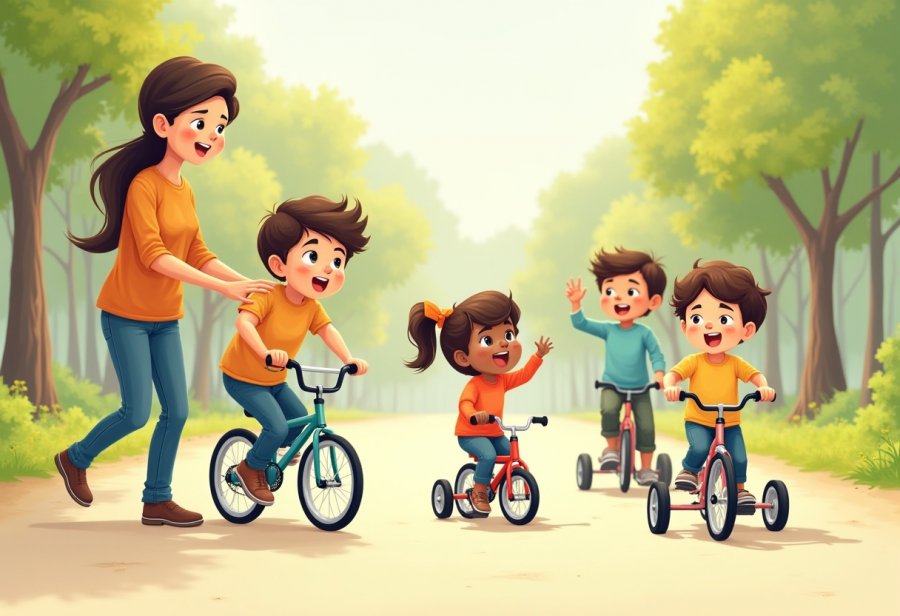
The future of learning to ride a bike is poised to become more innovative and accessible, thanks to emerging technologies that aim to make the journey smoother and more engaging for children. Virtual reality, for example, is starting to be used in some areas to help kids practice balancing and steering in a safe, controlled environment before they hit the pavement. This approach allows children to build confidence without the immediate fear of falling, making their first outdoor rides less intimidating and more enjoyable.
Alongside these advances, safety gear is evolving rapidly. Smarter helmets equipped with impact sensors can detect falls and provide real-time feedback to parents and kids, enhancing safety and reassurance. Digital tools like apps and GPS trackers are also gaining popularity, offering personalized lessons, progress tracking, and encouragement through gamified experiences. These innovations turn the process of learning to ride into a fun, motivating activity that keeps children eager to practice and improve.
Looking ahead, these advancements could help eliminate many of the barriers that slow down or discourage young learners, especially in remote or underserved areas. Virtual training environments and high-tech safety equipment make overcoming fears of falling or losing control easier, fostering independence faster. As these tools become more affordable and widespread, the act of mastering cycling will be faster, safer, and more inclusive, opening up new possibilities for children everywhere.
However, technology isn’t replacing the core lessons of patience, family support, and encouragement. Instead, it complements traditional methods, allowing families to blend time-tested support with innovative training tools. The genuine magic still happens when parents and children share moments of reassurance, celebrate small wins, and turn setbacks into learning opportunities. When used thoughtfully, these new devices and techniques can deepen the sense of achievement and confidence that comes with learning to ride.
As these trends develop, the act of learning to ride a bike will continue to evolve into a richer, more connected experience. More children will have the chance to enjoy biking with less fear and more enthusiasm, thanks to smarter training methods and safety innovations. These changes promise not only to make the journey easier but also to reinforce the timeless joy and independence that come with riding a bike—an adventure that can spark a lifelong love of exploration and resilience.