
Imagine a vehicle that reliably starts every time, no matter the weather or how long it’s been parked—sounds ideal, yet many drivers overlook the simple art of battery maintenance until it’s too late. Could routine checks and minor upkeep truly prevent unexpected breakdowns? This guide reveals that maintaining your car’s battery is surprisingly straightforward: regularly testing voltage, cleaning terminals, securing the battery firmly, and conducting visual inspections can significantly extend its lifespan and ensure dependable performance. But what role do cutting-edge advancements like smart diagnostic tools and built-in monitoring systems play in future-proofing your vehicle? As technology transforms battery care, staying ahead with innovative solutions becomes crucial in avoiding roadside stress. Whether you’re a novice or seasoned car owner, mastering these basic yet powerful strategies offers peace of mind, turning battery maintenance from a chore into an effortless habit—so, are you ready to take control and never fear breakdowns again?

Ensure Dependable Drives with Simple Battery Checks
A reliable car starts with a healthy battery, yet many drivers overlook this vital component until it fails unexpectedly. A simple routine check can make all the difference, preventing those stressful moments when your vehicle refuses to start. By staying proactive with battery maintenance, you ensure your car remains dependable, no matter the weather or how long it’s been sitting idle. Regular inspections and simple upkeep routines act as your first line of defense against unexpected breakdowns, saving you time, money, and frustration.
Your vehicle’s battery functions as its electrical heart, providing the power needed to start the engine and keep vital systems running smoothly. Most vehicles rely on lead-acid batteries, which store energy chemically and convert it into electricity on demand. Newer options, like AGM batteries, are designed for increased durability and handle higher electrical loads—making understanding how your battery works essential for maintaining its health. When you grasp its role, it’s easier to see why regular care is key to reliable, worry-free driving.
Many drivers tend to ignore routine battery maintenance until a problem arises. Checking the voltage regularly is a quick, straightforward way to monitor its health. Using a multimeter, you can get an instant snapshot of your battery’s condition—if the reading dips below 12.4 volts, it’s a sign that your battery may be nearing the end of its lifespan. Early detection of these signs means you can address potential issues before they leave you stranded, especially during colder months when batteries are more vulnerable to failure.
Keeping the terminals clean is another crucial step that’s often overlooked. Corrosion appears as a white, powdery substance around the terminals, impairing electrical flow and weakening your car’s starting power. Cleaning the terminals with a wire brush or a simple baking soda solution restores a solid connection, ensuring your vehicle starts reliably and runs smoothly. Regularly inspecting and cleaning the terminals prevents corrosion buildup, helping your battery stay in good shape longer and reducing unexpected failures.
Securing the battery firmly in its tray might seem minor, but it’s vital for long-term health. Vibrations from driving—particularly on rough or uneven roads—can loosen connections or cause internal damage over time. Ensuring the hold-down clamp is tight and the battery is snug prevents unnecessary wear and tear. A well-secured battery maintains consistent contact, supporting reliable starts and stable electrical performance. Taking a moment to check this simple detail can significantly boost your battery’s lifespan and your vehicle’s overall dependability.
Finally, visual inspections are quick yet powerful tools for early detection of problems. Cracks, leaks, or swelling on the casing indicate internal damage or overheating, both of which threaten your battery’s longevity. Spotting these signs early allows you to replace or service the battery before it fails unexpectedly. Incorporating routine visual checks into your maintenance habits makes it easier to stay ahead of potential issues, ensuring your vehicle remains ready to start when you need it most. With these simple but effective practices, you can keep your car reliable and avoid unnecessary roadside stress.

Master Core Strategies to Extend Battery Life
Maintaining your car battery’s health doesn’t have to be complicated. The simplest and most effective step is regularly checking its voltage with a multimeter. This small device offers a quick snapshot of your battery’s condition—if you see readings below 12.4 volts, it’s a clear sign that your battery might be weakening. By making this a routine habit, you can catch early signs of deterioration before they turn into a breakdown. It’s a straightforward way to stay ahead of potential issues and ensure your vehicle starts reliably, especially during cold weather when batteries are most vulnerable.
Another crucial aspect of care is keeping the battery terminals clean and free of corrosion. Over time, a white, powdery substance can develop around the terminals, which hampers electrical flow. This corrosion weakens your car’s starting power and can cause electrical hiccups. Regularly inspecting and cleaning the terminals with a wire brush or a baking soda solution restores a solid connection. This simple step helps your vehicle start smoothly every time and extends the overall life of your battery by preventing corrosion from building up unnoticed.
Securing the battery properly in its tray might seem minor, but it plays a big role in longevity. Vibrations from driving—especially on rough or bumpy roads—can loosen connections or cause internal damage over time. Ensuring the hold-down clamp is tight and the battery is snug prevents unnecessary wear and tear. A secure battery maintains consistent contact, which is essential for reliable starts and stable electrical function. Taking a moment to verify this simple fix can significantly reduce the risk of early failure and keep your vehicle running smoothly.
Visual inspections are quick yet powerful tools for early detection. Regularly look for cracks, leaks, or swelling on the battery casing. Cracks or leaks indicate internal damage that needs immediate attention, while swelling suggests overheating or overcharging. Spotting these signs early allows you to replace or service the battery before it fails unexpectedly. Making visual checks part of your routine maintenance helps you stay one step ahead, avoiding roadside surprises and costly repairs. It’s a simple habit that pays off by ensuring your car remains dependable day after day.
Managing your battery’s load is often overlooked but crucial for its lifespan. Electronic accessories like GPS units, portable chargers, or interior lights left on when the engine is off drain power gradually. Developing habits such as turning off electronics when not needed, especially in extreme weather, can conserve your battery’s charge. These small adjustments are easy to implement and can significantly extend your battery’s life, reducing the frequency of replacements. Mindful power use turns routine driving into a proactive step toward longer-lasting, more reliable performance.
In addition to these basic practices, technology now offers smarter solutions for battery maintenance. Many modern vehicles are equipped with built-in monitoring systems that track battery health continuously. These systems alert you to potential issues before they cause breakdowns, often through notifications on your dashboard or smartphone. Portable diagnostic devices are also available, providing real-time data on voltage and overall condition at the push of a button. Using these tools simplifies maintenance, making it easier to stay informed and address problems early. Embracing these advancements ensures your battery stays in top shape with minimal effort, supporting worry-free driving every day.
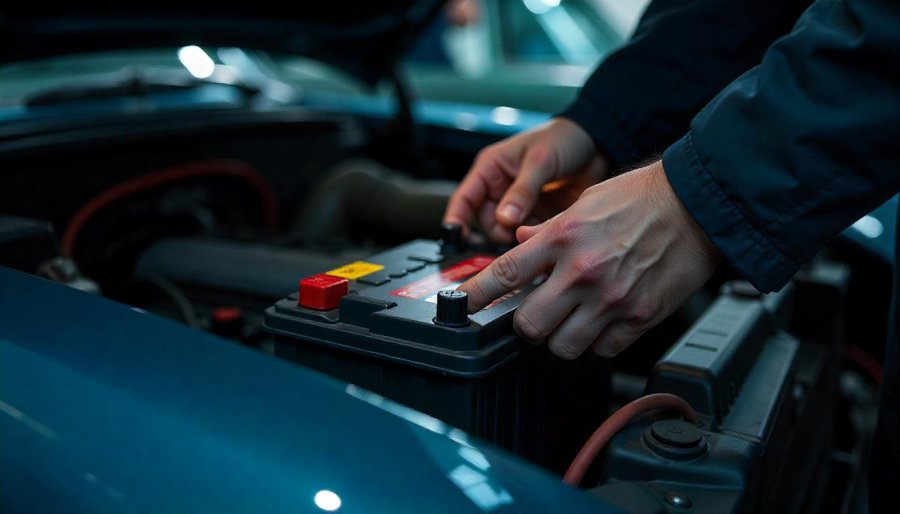
Embrace Cutting-Edge Technologies for Smarter Battery Maintenance
Advancements in technology are revolutionizing how we approach car battery maintenance, making it more efficient and accessible than ever before. Gone are the days when a simple voltage check and visual inspection sufficed; now, a range of smart diagnostic tools can assess your battery’s health quickly and with remarkable precision. These devices often connect wirelessly to smartphone apps, providing real-time data on voltage, charge levels, and overall condition. With just a few taps, you gain a clear picture of your battery’s status, allowing you to act proactively rather than reactively, without needing specialized technical skills or equipment.
Many modern vehicles now include built-in monitoring systems that continuously track battery performance. These systems keep an eye on voltage, temperature, and other key parameters, alerting drivers to potential issues before they escalate into breakdowns. Some automakers incorporate predictive analytics that analyze patterns over time, forecasting when a battery might fail and prompting timely replacements. This shift toward digital monitoring reduces reliance on guesswork and reactive repairs, empowering drivers to manage their vehicle’s health proactively, especially during extreme weather conditions when batteries are most vulnerable.
On the consumer side, maintenance apps have gained popularity for helping car owners keep tabs on their batteries. These apps often guide users through quick checks, like testing voltage with a multimeter or inspecting terminals, and send reminders for professional assessments when needed. Many integrate with diagnostic devices that connect directly to the vehicle, consolidating data and delivering detailed reports on battery performance. This approach makes routine maintenance less intimidating and encourages a proactive mindset, helping extend battery life and prevent surprises on the road.
Battery manufacturing has also seen significant improvements driven by higher standards and innovative materials. Modern batteries, such as AGM (Absorbent Glass Mat) and gel types, are designed to withstand harsher conditions, resist internal damage, and handle higher electrical loads more effectively. These batteries tend to last longer and perform reliably across a wider temperature range, reducing the frequency of replacements and maintenance. Manufacturers now enforce stricter quality controls during production, ensuring each unit meets rigorous performance standards. As a result, the overall durability and reliability of vehicle batteries have increased, giving drivers peace of mind.
The rise of electric and hybrid vehicles pushes the industry toward smarter, integrated battery management practices. These vehicles feature dedicated monitoring systems that continually assess the health of high-capacity batteries, alerting owners to potential issues well before failures occur. Specialized diagnostic tools and software tailored for electric propulsion help optimize performance and extend battery lifespan. As technology advances, expect even more sophisticated solutions that combine diagnostics, predictive analytics, and user-friendly interfaces—making battery maintenance less invasive, more precise, and more reliable.
Smart diagnostic devices are now available for everyday drivers. These portable tools often connect wirelessly to smartphones, offering real-time insights into voltage, charge status, and overall health without requiring extensive technical knowledge. With a few simple steps, you can perform quick checks and receive detailed data that inform your maintenance decisions. Using these devices regularly helps catch early signs of deterioration, allowing you to address issues before they develop into costly failures. This combination of technology and convenience helps make battery upkeep an effortless part of routine vehicle care.
Ultimately, the integration of advanced tools and practices transforms battery maintenance from a reactive chore into a proactive part of vehicle ownership. Staying informed through real-time data and leveraging innovative diagnostics means problems are often caught early, preventing breakdowns and extending battery life. These technological shifts support your goal of worry-free driving by ensuring your car starts reliably, no matter the conditions. As the industry continues to evolve, embracing these modern solutions will keep your vehicle dependable and your mind at ease, turning battery care into a simple, effective habit that safeguards your daily drive.