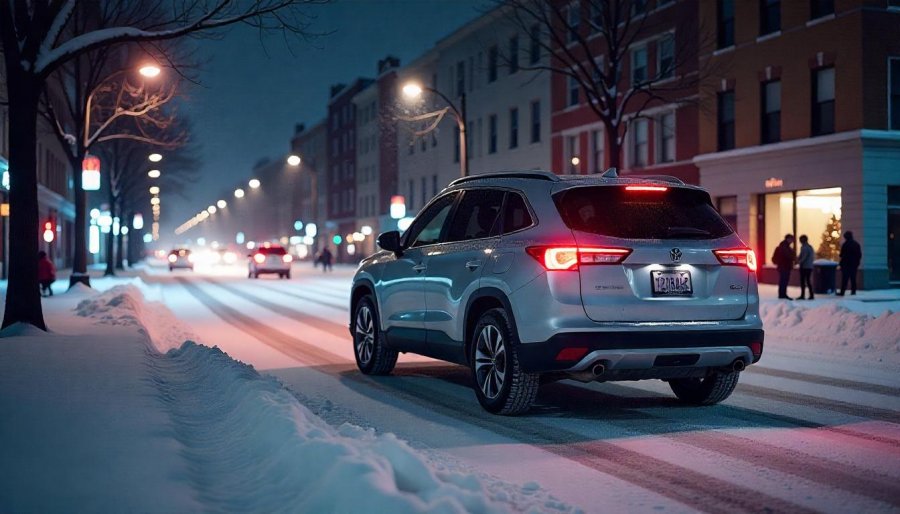
As winter weather transforms roads into icy hazards, the question arises: do winter tires genuinely offer a safety edge, or are they an unnecessary expense? Scientific research and real-world case studies affirm that winter tires dramatically improve vehicle grip, reducing braking distances by up to 25% on ice and snow. Their specialized rubber compounds stay pliable in freezing temperatures, while their deeper tread patterns and sipes provide enhanced traction on slippery surfaces. In regions with harsh winters, drivers report feeling markedly more confident and secure behind the wheel, with fewer accidents and skids. But how much risk is worth taking without them? While no tire can eliminate all dangers, winter tires significantly boost control and safety during the most treacherous months. Is investing in this safety upgrade truly worth the cost when it could mean the difference between life and death on icy roads?

Unlocking the Truth Behind Winter Tire Safety
When winter arrives and the temperatures drop, drivers naturally start thinking about how to stay safe on icy and snow-covered roads. The question often arises: do winter tires really make a difference, or is it just a costly myth? For those who face harsh winter conditions regularly, the answer tends to be clear—winter tires are a vital safety tool. But in milder climates, some see them as an unnecessary expense. Understanding what winter tires do—and whether they genuinely improve grip and control—is essential before investing.
The core reason winter tires are so widely recommended lies in their specialized design. They’re built specifically to perform in cold weather, snow, and ice, where standard tires struggle. Regular tires tend to harden in low temperatures, which reduces their flexibility and grip. This hardening leads to longer stopping distances and less predictable handling. Winter tires use softer rubber compounds that stay pliable even when temperatures plummet. This flexibility allows them to mold to icy and snowy surfaces, providing better traction and control.
Beyond the rubber, the tread pattern of winter tires is also tailored for winter conditions. They feature deeper grooves and tiny slits called sipes, which create additional biting edges. These edges act like tiny blades, gripping into snow, ice, and slush to prevent slipping. The deeper grooves help channel water and slush away from the contact patch, reducing the risk of hydroplaning. This combination of tread design and rubber formulation makes winter tires much more responsive when roads are slick, giving drivers more confidence and stability.
Scientific research supports these real-world observations. Tests show that vehicles equipped with winter tires stop significantly faster on icy surfaces compared to those with all-season or summer tires. For example, some studies have found that winter tires can reduce braking distances by up to 25%. That difference can be critical in emergency situations, where every second counts. The improved handling and shorter stopping distances directly translate into safer winter driving, which is why safety experts emphasize their use once temperatures fall below about 7°C (45°F).
It’s worth noting that no tire can make icy roads completely safe or prevent all skids. Winter tires improve grip, but they aren’t a magic solution. They provide a crucial safety margin, especially on black ice or packed snow, but cautious driving remains essential. Many drivers find that once they switch to winter tires, they feel more secure behind the wheel, even in challenging conditions. This increased confidence is supported by data showing fewer accidents during winter months when winter tires are in use.
Of course, there’s an upfront cost to consider. A full set of winter tires can range from around $400 to $800, depending on the brand and vehicle size. For many, this expense might seem steep at first. However, factoring in the safety benefits, many see it as a worthwhile investment. Reduced accident risk, potential savings on insurance premiums, and peace of mind during the coldest months often outweigh the initial outlay. For drivers in areas prone to icy conditions, the safety and financial gains can be significant.
Choosing to switch to winter tires isn’t just about cost; it’s about being prepared and prioritizing safety. While they won’t eliminate all winter road hazards, they significantly enhance vehicle grip and handling in icy conditions. This makes them an important part of winter safety gear. Knowing how winter tires work and their benefits helps drivers make smarter decisions, ensuring they’re better equipped to handle winter’s toughest challenges. Investing in winter tires isn’t just about comfort—it’s a practical step toward safer driving during the cold months.

The Science That Powers Winter Tire Performance
Winter tires are designed with materials and features that set them apart from all-season or summer tires, especially when temperatures drop. The most noticeable difference lies in the rubber compound. Unlike regular tires, which tend to harden as it gets colder, winter tires incorporate a softer, more flexible rubber mix. This flexibility allows the tire to maintain better contact with icy, snowy, or slushy surfaces, providing superior grip and control. When rubber stiffens in low temperatures, it can’t mold around the irregularities of winter roads, which significantly reduces traction and increases stopping distances. The softer rubber in winter tires stays pliable even below freezing, ensuring that they grip icy patches more effectively and help prevent slips and skids.
Another key feature that enhances winter tire performance is their tread pattern. These tires typically have deeper grooves and a higher density of tiny slits called sipes. Sipes act like micro-blades, creating additional biting edges that dig into snow, ice, and slush. This increases traction and helps prevent slipping, especially on slick surfaces. The deeper grooves are designed to channel water, melted snow, and slush away from the contact patch, reducing the risk of hydroplaning and maintaining better contact with the road. This combination of tread design and rubber composition makes winter tires much more responsive in cold, icy conditions, giving drivers more precise handling, shorter braking distances, and greater stability on slick roads.
Scientific testing consistently supports the advantages of these design features. Vehicles equipped with winter tires demonstrate significantly shorter stopping distances on icy surfaces compared to those with all-season or summer tires. Some studies report that winter tires can reduce braking distances on ice by as much as 25%. That improvement isn’t just a number—it can be the difference between avoiding a collision or not. The enhanced grip and control help drivers respond more quickly to hazards, especially in emergency braking situations. As a result, winter tires offer a crucial safety edge for navigating icy roads, including nearly invisible black ice, which is particularly treacherous.
The science behind winter tires also explains their durability in freezing conditions. The softer rubber compounds are engineered to stay flexible at temperatures well below freezing, unlike all-season tires that tend to stiffen and lose grip. This flexibility ensures that the tire can adapt to the uneven, icy surface beneath it, maintaining traction even in the coldest weather. The ability to remain pliable in low temperatures means winter tires provide consistent performance, making them a vital safety feature for winter driving. Without this flexibility, tires become less effective, increasing the risk of slipping or skidding on icy patches. Their specialized materials and construction are what make winter tires uniquely suited for cold, icy conditions.
Advances in tire technology continue to push the boundaries of winter tire performance. Manufacturers are developing new rubber formulas that stay flexible at even lower temperatures, broadening the range of conditions where winter tires excel. Micro-siping and multi-directional tread patterns further increase biting edges, boosting grip on ice. Some brands now offer studless designs that mimic the performance traditionally achieved with studs, providing excellent traction without damaging roads or creating excessive noise. Additionally, innovations such as sensors and smart tire systems are emerging, giving drivers real-time data on tire condition and grip levels. These technological improvements help optimize winter driving safety, ensuring that tires perform at their best in the most challenging conditions.
All these features work together to make winter tires an essential part of cold-weather driving. Their specialized materials and design elements are backed by scientific research and real-world testing, confirming their superior ability to handle icy, snowy conditions. By maintaining flexibility and creating more biting edges, winter tires give drivers a tangible safety advantage. They help reduce accidents, improve vehicle control, and shorten stopping distances in the most treacherous winter conditions. Understanding the science behind these tires isn’t just for enthusiasts or engineers—it’s key to making informed, confident decisions about staying safe on icy roads during the winter months.

Real-World Proof: How Winter Tires Save Lives
There’s a wealth of real-world evidence demonstrating that winter tires truly make a difference when roads turn icy. Numerous studies from transportation safety agencies and research institutions consistently show that vehicles equipped with winter tires stop faster and handle more confidently in winter conditions. For example, a 2020 study found that winter tires can reduce braking distances on ice by up to 25%, a margin that can be crucial in emergency situations where every second counts. These numbers aren’t just figures—they translate into tangible safety benefits drivers experience daily on slick winter roads.
In regions known for severe winters, like northern Europe and parts of Canada, drivers often notice these advantages firsthand. Many case studies from these areas report a significant drop in accidents involving skidding or loss of control once drivers switch to winter tires. These accounts are supported by data showing fewer winter-related crashes during months when winter tires are in use. Drivers consistently report feeling more secure and in control behind the wheel, especially on icy or snow-covered surfaces, reinforcing the real-world benefits of making the switch.
Comparing winter tires directly with all-season options makes the safety benefits even clearer. All-season tires are designed to handle a range of weather but tend to perform poorly below freezing. Their rubber stiffens, reducing grip and increasing stopping distances. Conversely, winter tires are engineered specifically for cold temperatures, with softer rubber compounds and specialized tread patterns that stay flexible and grip icy surfaces better. Research shows that vehicles with winter tires can shorten braking distances significantly—by as much as a quarter on icy roads—making a critical difference in avoiding accidents.
Track testing further highlights these differences. Vehicles fitted with winter tires consistently outperform those with all-season tires in stopping tests on ice. The shorter braking distances and enhanced steering control provided by winter tires make it easier for drivers to respond to hazards quickly and effectively. On black ice, which is nearly invisible but highly dangerous, winter tires offer a safety margin that can prevent skids and crashes. These real-world and laboratory results combine to confirm that winter tires aren’t just an upgrade—they’re a vital safety feature for icy conditions.
Advances in tire technology continue to push winter tire performance even further. Modern designs incorporate new rubber formulas that stay pliable at extremely low temperatures, broadening the conditions where they excel. Micro-siping and multi-directional tread patterns increase biting edges, boosting grip on ice and packed snow. Some brands now offer studless winter tires that deliver the traction traditionally associated with studded tires without the road wear or noise. Emerging innovations like sensors and smart tire systems provide real-time data on grip levels and tire health, helping drivers stay informed and respond proactively during winter.
All this evidence makes a compelling case: winter tires are not just a comfort or luxury but a proven safety upgrade. The combination of scientific research, real-world case studies, and technological innovation confirms their ability to improve vehicle control, reduce braking distances, and lower the risk of accidents in icy conditions. For anyone facing harsh winters regularly, switching to winter tires isn’t merely a good idea—it’s a crucial step toward safer driving. Their effectiveness is backed by data and experience, giving drivers the confidence to navigate winter’s most treacherous roads with greater peace of mind.