
Cleopatra VII is often remembered for her beauty and dramatic life, but her true legacy lies in her formidable intellect, strategic diplomacy, and mastery of cultural symbolism. This powerful ruler, fluent in multiple languages and supported by Alexandria’s renowned Library, navigated Egypt through turbulent times not with charm alone but with resilience, wit, and profound knowledge. Her ability to blend Egyptian traditions with Hellenistic customs, using religious iconography to legitimize her authority, exemplifies her cultural diplomacy. Yet, her story has long been overshadowed by Hollywood’s glamorous myth, emphasizing allure over strategy. Could her enduring influence be rooted more in her mind than her image? Cleopatra’s legacy challenges us to see beyond superficial legends and recognize the depth of her leadership—an inspiring testament to the strength of intelligence, adaptability, and vision in shaping history. What lessons does her life hold for today’s leaders seeking resilience amid chaos?
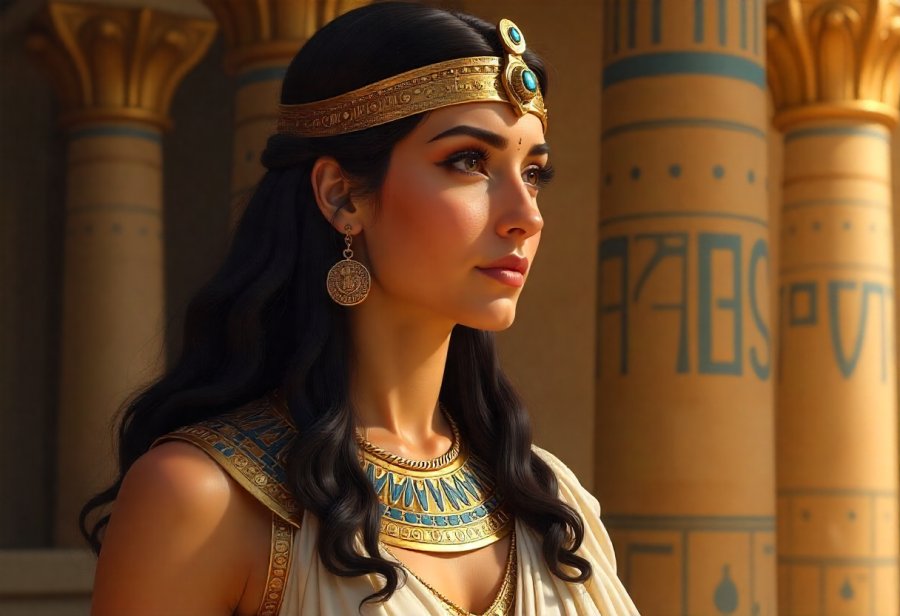
Unveiling Cleopatra’s True Legacy: Intelligence Over Glamour
Cleopatra VII is often remembered for her dramatic life and striking beauty, but her true legacy extends far beyond Hollywood’s glamorized image. She was a sharp-minded ruler, a multilingual scholar, and a strategic diplomat who fought to keep Egypt independent amid Rome’s expanding empire. Her leadership was rooted in intelligence, cultural finesse, and political savvy—traits that helped her navigate some of the most turbulent times in Egyptian history.
As the last active pharaoh of the Ptolemaic dynasty, Cleopatra expertly blended Greek and Egyptian traditions, forging alliances through diplomacy rather than reliance on charm alone. Her mastery of languages enabled her to communicate directly with allies and rivals alike, giving her a significant advantage in negotiations and statecraft. Behind the scenes, she supported Alexandria’s famed Library and promoted scholarly pursuits, fostering an environment of learning and innovation.
Her strategic mind extended into her use of religious symbolism and rituals, which helped legitimize her authority and unify her people. Cleopatra understood that leadership involved cultural diplomacy as much as military strength. Her ability to think ahead, adapt to circumstances, and forge alliances made her a formidable ruler—one whose influence was rooted in intelligence and resilience, not just superficial glamour.
This focus on her intellect and leadership reshapes our view of Cleopatra, highlighting a woman who used knowledge, wit, and strategic insight to shape history. Her story serves as a reminder that true power often lies in resilience, adaptability, and the capacity to think beyond appearances.
Beyond Beauty: Cleopatra’s Mastery of Leadership and Strategy
Cleopatra’s leadership extended far beyond her striking appearance; it was her sharp mind and strategic skills that truly defined her reign. She was a master diplomat, forging alliances with powerful figures like Julius Caesar and Mark Antony through negotiation and mutual interest rather than relying solely on charm. Her ability to read the geopolitical landscape allowed her to adapt her strategies quickly, helping Egypt stay independent amid Rome’s growing influence. Cleopatra also demonstrated exceptional administrative talent, managing resources, culture, and military defenses with intelligence and foresight. Her leadership combined cultural diplomacy, tactical alliances, and governance skills that made her a formidable ruler whose influence stretched beyond her image.
Her intelligence was evident in her fluency in multiple languages, including Egyptian, Greek, and Latin, which enabled her to communicate directly with diverse audiences. She was a scholar with a genuine curiosity for science, philosophy, and literature, supporting Alexandria’s famed Library and fostering innovation. Cleopatra’s quick problem-solving skills allowed her to analyze complex political situations and respond with calculated moves that often outmaneuvered her enemies. Whether managing internal rivalries or external threats, her analytical mind kept her several steps ahead.
Her cultural diplomacy was equally strategic. Cleopatra blended Egyptian and Hellenistic traditions, using religious symbols and rituals to legitimize her authority and foster loyalty. She participated in sacred rites and sponsored public ceremonies, positioning herself as both a political and spiritual leader. This synthesis of traditions created a unifying identity that resonated with her diverse subjects, strengthening her grip on power.
Her marriage alliances with Julius Caesar and Mark Antony exemplify her skill in turning personal relationships into political tools. These strategic partnerships bolstered her position and military support, illustrating her mastery of timing and negotiation. Her naval and military capabilities further demonstrated her readiness to defend Egypt when necessary, combining diplomacy with force effectively. Cleopatra’s ability to adapt and respond to shifting alliances kept her at the center of regional power struggles, securing her legacy as a leader of wit, resilience, and vision.
The Genius of Cleopatra: Language, Scholarship, and Problem-Solving
Cleopatra’s reputation as a brilliant thinker is rooted in her exceptional cognitive abilities and her unwavering curiosity. Fluent in multiple languages—Egyptian, Greek, and Latin—she could communicate directly with diverse audiences, giving her a distinct advantage in diplomacy and negotiation. This linguistic mastery allowed her to craft nuanced strategies and forge alliances without relying on intermediaries, showcasing her diplomatic finesse.
Beyond language, Cleopatra was an avid scholar deeply engaged with science, philosophy, and literature. Her active support of Alexandria’s famed Library fostered an environment of learning and innovation, advancing fields such as astronomy, medicine, and engineering. This intellectual curiosity wasn’t just personal; it informed her leadership decisions, giving her a strategic edge in navigating complex political landscapes.
Her problem-solving skills were swift and sharp, especially in tense or unpredictable situations. Cleopatra could analyze intricate scenarios quickly, responding with calculated moves that often outmaneuvered her rivals. Whether managing internal court rivalries or external threats, her analytical mind kept her several steps ahead, ensuring her stability and influence.
This combination of linguistic talent, scholarly pursuit, and quick reasoning underscores her intellectual strength. Cleopatra’s education and curiosity weren’t just personal traits—they were vital tools that reinforced her ability to lead effectively in turbulent times. Her mastery of ideas and her capacity to apply them practically made her a formidable strategist, whose influence extended far beyond superficial appearances.
Egyptian Queen Wisdom: Mastering Tradition and Rituals
Cleopatra’s mastery of Egyptian traditions was central to her leadership style. She skillfully blended Greek and native Egyptian customs, using familiar symbols and rituals to reinforce her divine authority. Crowned with the uraeus cobra, she embodied the role of a living deity, linking her rule directly to Egypt’s ancient divine right. This deliberate use of religious iconography created a legitimacy that unified her people across cultural boundaries.
Her deep understanding of religious festivals and sacred ceremonies allowed her to harness these events to strengthen loyalty and foster a shared identity. By participating in sacred rites and sponsoring public rituals, Cleopatra positioned herself as the earthly embodiment of divine power, making her leadership resonate on both spiritual and political levels. This cultural diplomacy helped her legitimize her authority amid internal divisions and external threats.
Visual symbols played a crucial role in shaping her image. Whether wearing traditional headdresses or engaging in sacred rites, Cleopatra used these elements intentionally to project strength and piety. These images communicated her divine right and reinforced her role as a unifying figure, inspiring trust among her subjects.
Her ability to navigate and synthesize Egyptian and Hellenistic traditions created a hybrid identity that resonated broadly. She capitalized on Egypt’s rich symbolism to evoke stability and continuity, even as she adapted to shifting political circumstances. This strategic blending of traditions made her a ruler whose legitimacy was rooted in deep cultural understanding.
Her use of religious and cultural symbols extended into her diplomatic efforts. Whether forging alliances with Roman leaders or maintaining internal cohesion, Cleopatra employed rituals and iconography to demonstrate her divine authority. This approach helped sustain loyalty and stability during turbulent times.
By mastering Egypt’s symbolic language, Cleopatra ensured her authority was both political and spiritual. Her deliberate use of tradition and iconography created a powerful sense of legitimacy that transcended mere politics. This cultural mastery was essential in uniting her diverse subjects and securing her enduring legacy as a true divine ruler.
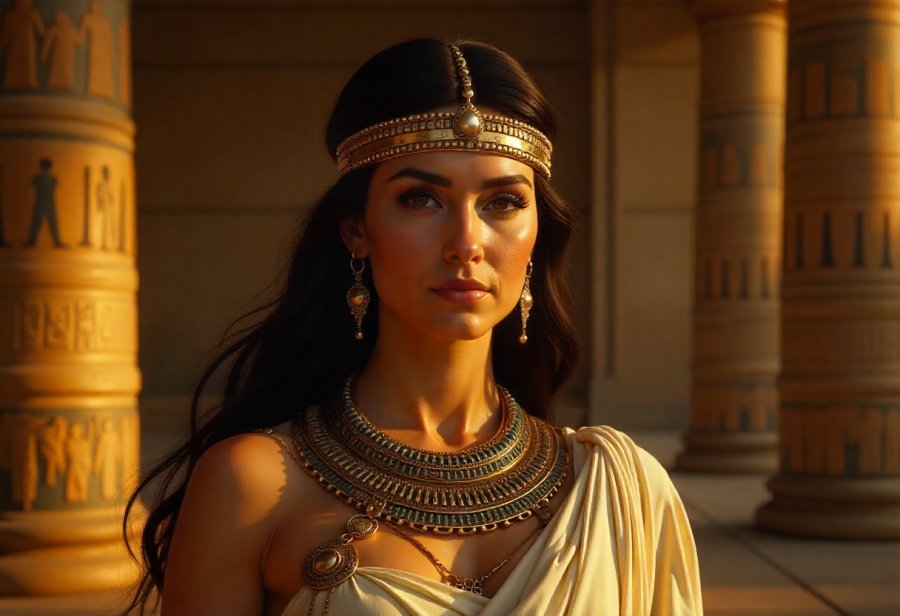
Political Maestro: Cleopatra’s Diplomatic Tactics and Alliances
Cleopatra’s diplomatic skills were key to navigating the treacherous world of regional politics. She understood that alliances were vital for Egypt’s survival and approached them with strategic precision. Rather than relying on charm alone, she carefully selected her partners, forging alliances with powerful figures like Julius Caesar and Mark Antony through negotiations rooted in mutual benefit. Her ability to read her rivals’ motives and adjust her tactics kept her steps ahead, even as external pressures intensified.
Her diplomacy wasn’t limited to treaties; she transformed cultural customs into tools of influence. Cleopatra used religious symbols and rituals to reinforce her legitimacy, creating a narrative of divine authority that unified her people and allies. This mastery of symbolism fostered trust across diverse groups, from Greek elites to native Egyptians, making her leadership more resilient. Timing was crucial—she knew when to assert strength and when to compromise. Her responses to threats were calculated, often involving clever negotiations that protected Egypt’s sovereignty without provoking outright conflict.
Her marriage alliances with Julius Caesar and Mark Antony exemplify her skill in turning personal relationships into political assets. These bonds weren’t driven by affection but by a clear understanding of their strategic value. Her naval and military capabilities further demonstrated her readiness to defend her kingdom when necessary. Cleopatra’s ability to adapt and respond to shifting alliances kept her at the center of regional power struggles, securing her legacy as a master strategist in a volatile era.
Macedonian Roots and Hellenistic Strengths: The Foundation of Her Leadership
Cleopatra’s leadership qualities were deeply rooted in her Macedonian heritage and the rich traditions of Hellenistic culture she inherited from her Greek ancestors. From a young age, she was immersed in a world that emphasized rhetoric, philosophy, and strategic thinking — skills essential for navigating complex political landscapes. This background gave her a natural confidence in her ability to lead and shaped her approach to diplomacy and governance.
Her education in the arts of persuasion and statecraft was a direct reflection of her lineage, enabling her to craft compelling speeches and project strength through confident public appearances. Her upbringing fostered a love for learning and innovation, which she actively promoted through patronage of Alexandria’s famed Library. This intellectual curiosity allowed her to stay abreast of emerging ideas in science, philosophy, and technology, applying them to strengthen her rule.
Her mastery of rhetoric and strategic wit made her adept at rallying support and establishing loyalty. She projected authority not just through words but through her calculated use of traditional Greek virtues like discipline, loyalty, and resilience. These qualities helped her command respect and maintain stability in turbulent times.
Her confident leadership was also shaped by her understanding of the importance of loyalty and negotiation, principles she applied skillfully in both internal court politics and external diplomatic relations. Cleopatra’s ability to blend her Greek roots with her Egyptian environment created a unique leadership style that was both disciplined and adaptable.
This heritage imbued her with a sense of purpose and resolve, making her a ruler capable of inspiring loyalty and respect. Her education and cultural pride gave her the tools to navigate regional power struggles with strategic finesse, ensuring her influence endured despite the tumult of her era.
Overall, her Macedonian roots and Hellenistic upbringing provided a solid foundation of discipline, intellectual achievement, and strategic insight. Cleopatra used these qualities to craft a leadership style rooted in wisdom, resilience, and cultural awareness. Her brilliance was not only in her lineage but also in her ability to adapt and apply her inherited strengths to the challenges she faced.
Her leadership exemplifies how cultural heritage combined with personal intelligence can produce a ruler of remarkable resilience and vision. Cleopatra’s mastery of rhetoric, strategic negotiation, and cultural diplomacy made her a standout figure—not just because of her royal blood, but because of her sharp mind and unwavering purpose. She demonstrated that true strength lies in the mind, enriched by heritage and driven by a clear sense of purpose.
Myth Versus Reality: Navigating Cleopatra’s Conflicting Legacies
Cleopatra’s legacy is a tapestry woven from contrasting perceptions that have evolved over centuries. For a long time, she was cast mainly as a seductress, her image shaped by stories emphasizing her beauty and personal charm as political tools. Films like the 1963 *Cleopatra* reinforced this view, portraying her as a glamorous figure whose influence rested on allure rather than strategy. This narrow portrayal often overshadowed her true skills as a diplomat and leader.
Conversely, scholars highlight her intelligence, diplomatic finesse, and political acumen. They emphasize her multilingual abilities, patronage of Alexandria’s library, and mastery of complex alliances. These accounts paint her as a resilient, strategic ruler who navigated turbulent waters with wit and foresight, challenging the romanticized myth of her as merely a lover.
Media and popular culture continue to shape her image today, leaning toward glamorization and sensationalism. Films and art tend to focus on her beauty, while modern scholarship seeks to reveal her as a clever stateswoman. Recognizing these conflicting images helps us see beyond simplified narratives, appreciating Cleopatra’s multifaceted legacy.
This tension reflects broader debates about history’s perception and cultural storytelling. It reminds us that figures like Cleopatra are often caught between myth and reality, shaped by the stories society chooses to tell. Her true story, rooted in her intellect and leadership, deserves recognition beyond legend.
Leadership Lessons from Cleopatra: Applying Ancient Wisdom Today
Cleopatra’s leadership offers timeless lessons for today’s world, especially for those navigating complex and often unpredictable environments. Her ability to think strategically, build genuine alliances, and adapt swiftly to changing circumstances demonstrates that intelligence, emotional resilience, and cultural awareness often outweigh superficial qualities like appearance or gender. Modern leaders can draw inspiration from her example by prioritizing knowledge, empathy, and negotiation skills—tools that foster trust and long-term loyalty rather than short-lived charm.
As a woman in a predominantly male-dominated society, Cleopatra showed that capability and resilience are true markers of effective leadership. Her success underscores that strategic insight, emotional intelligence, and the ability to forge meaningful relationships matter far more than stereotypes or societal expectations. Her story encourages current and future leaders to challenge biases and recognize that strength derives from wisdom, adaptability, and a willingness to learn from every situation.
Her emphasis on education and cultural diplomacy laid foundations for stability and innovation—values still vital today. Leaders who invest in understanding diverse perspectives, fostering dialogue, and respecting traditions create resilient organizations and communities. Cleopatra’s mastery of symbols and rituals to legitimize her authority highlights the importance of cultural intelligence in uniting people and inspiring confidence during times of uncertainty.
Balancing respect for tradition with openness to change, Cleopatra demonstrated that effective leadership involves continuous learning and strategic flexibility. Her legacy reminds us that influence is rooted in the strength of the mind, the clarity of purpose, and the capacity to serve the greater good. Embracing these qualities can help contemporary leaders navigate their challenges with resilience and vision.
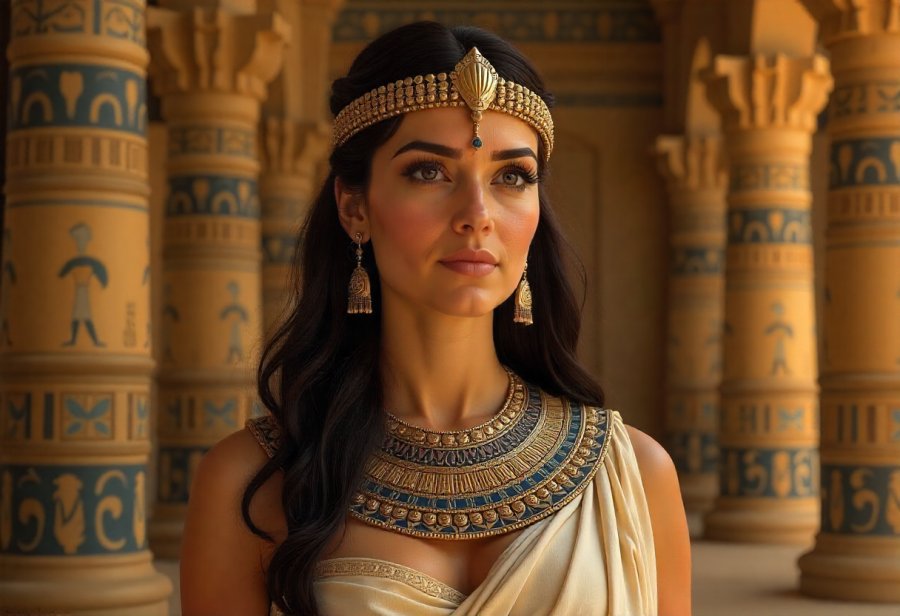
Reflections on Cleopatra: A Leader’s True Power in Knowledge and Resilience
Cleopatra’s story extends far beyond the glamorous myths that have long shaped her image. Her greatest legacy lies in her extraordinary ability to lead through intellect, strategic thinking, and cultural diplomacy. Far from just a seductress, she was a scholar-queen who mastered multiple languages, supported Alexandria’s renowned Library, and used knowledge as her most powerful tool. Her leadership was rooted in resilience and adaptability, navigating treacherous political waters with wit and foresight.
Her mastery of Egyptian traditions and symbols played a crucial role in legitimizing her authority. By blending Greek and native customs, she created a hybrid identity that unified her diverse subjects and reinforced her divine right. Her use of rituals and iconography communicated strength and piety, fostering loyalty across cultural boundaries. This cultural diplomacy was key to maintaining stability amid internal divisions and external threats.
Cleopatra’s diplomatic acumen exemplifies how intelligence and cultural awareness can shape enduring influence. She forged alliances with Rome’s most powerful figures not through charm alone but through calculated negotiations and strategic timing. Her military readiness complemented her political skill, ensuring her survival in a volatile era.
Her leadership reflects a deep understanding that true power resides in the mind, cultivated through education, curiosity, and pragmatic decision-making. Cleopatra’s enduring legacy challenges stereotypes about gender and authority, demonstrating that resilience and insight are timeless qualities of effective leadership. Her life continues to inspire those who value wisdom, adaptability, and the pursuit of knowledge.