
What if the greatest strength of a leader isn’t external conquest but internal discipline? Marcus Aurelius exemplifies this paradox—ruling an empire with wisdom, resilience, and moral clarity amid wars, plagues, and political upheavals. His writings in Meditations reveal a path where true authority stems from mastery over oneself, emphasizing virtues like self-control, calmness, and resilience. Across history, cultures from Greece to Asia have echoed this belief: inner virtues form the bedrock of authentic leadership, transcending fleeting external power. Today’s leaders, faced with unprecedented chaos and rapid change, are increasingly recognizing that inner discipline—enhanced through mindfulness, emotional intelligence, and self-awareness—is vital for sustainable influence. As technology makes developing these qualities more accessible, the future of leadership may well belong to those who prioritize inner virtues, realizing that lasting legacy depends on the empire within. Could it be that wisdom, built from within, is the true measure of strength?
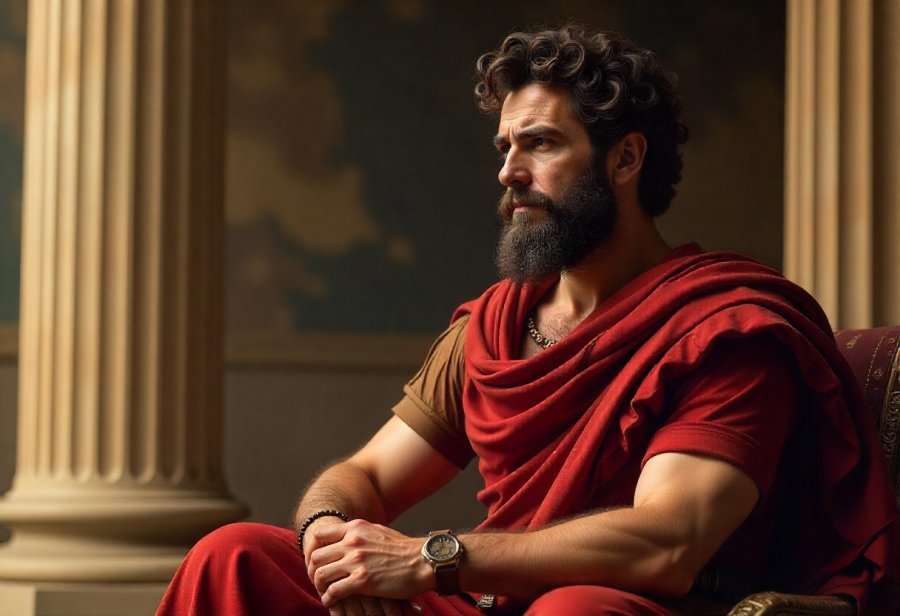
Inner Strength as the True Foundation of Leadership
Leadership isn’t just about titles or external achievements; at its core, it’s about the strength that comes from within. True leadership is rooted in qualities like self-control, moral clarity, and resilience—traits that shape how we respond in difficult moments. Leaders who focus on developing these inner virtues tend to influence others more deeply than those relying solely on external displays of power. Inner discipline guides our reactions to setbacks, helps us stay morally grounded, and builds trust that lasts beyond fleeting victories.
Throughout history, some of the most revered leaders understood that mastery over oneself is the foundation of genuine authority. Marcus Aurelius, the Roman emperor and Stoic philosopher, exemplified this idea. Despite wielding immense political and military power, he dedicated himself to inner discipline through daily Stoic practices. His writings in Meditations reveal a mind committed to calmness, moral virtue, and self-awareness—qualities that helped him navigate wars, plagues, and political upheavals with dignity.
Focusing on inner strength shifts the view of leadership from conquest to self-mastery. It suggests that authentic authority isn’t about domination or external success but about cultivating mental resilience and moral clarity. Leaders who nurture these qualities can respond to crises with grace, make wiser decisions, and inspire genuine loyalty. Their true power lies in governing impulses and emotions—traits that foster trust and respect in others.
Recognizing this perspective changes how we see effective leadership. Instead of chasing external markers like wealth or influence, the most impactful leaders invest in their inner development—practicing mindfulness, reflection, and moral virtue. These habits create a stable foundation of resilience and wisdom that withstands external chaos. As Marcus Aurelius showed, the greatest empire a leader can build may very well be the one within.
This inner resilience provides stability. Leaders who nurture emotional strength and mental clarity face setbacks without losing their sense of purpose. They remain calm and deliberate, choosing actions carefully rather than reacting impulsively. This steady inner state is a quiet but powerful force—one that sustains leadership over time and demonstrates that real strength isn’t about external conquest but about mastery of oneself.
Historical Roots of Inner Discipline and Moral Virtue
The idea that inner strength surpasses external power runs deep through human history, shaping countless philosophies and leadership models. From ancient Greece and Rome to Eastern traditions, the emphasis has long been on mastering oneself rather than relying solely on outward accomplishments. Stoicism, in particular, laid a strong foundation for this belief. Thinkers like Zeno, Seneca, and Epictetus argued that genuine resilience and virtue come from controlling our reactions and cultivating moral integrity. External circumstances may shift, but inner virtues remain steady, offering a lasting source of strength.
Marcus Aurelius embodies this centuries-old tradition perfectly. As a Roman emperor and committed Stoic, he believed that true leadership begins with self-mastery. His writings in Meditations reveal a man dedicated to inner discipline—remaining calm amid chaos, acting ethically, and focusing on mental resilience. These internal qualities enabled him to govern through wars, plagues, and political upheaval with dignity and clarity. His life exemplifies how internal strength can be a leader’s most powerful asset, far beyond external displays of influence.
Beyond Greek and Roman ideas, other cultures have echoed this focus on inner virtues. Confucianism highlights moral integrity and self-cultivation as the foundation of good leadership, while Buddhist teachings emphasize inner peace and mental discipline as keys to wisdom and compassion. These traditions suggest that external success is fleeting, but inner strength built through moral effort endures over time. They reinforce the idea that authentic influence depends less on external trophies and more on internal virtues.
Throughout history, influential figures from diverse backgrounds have embodied this principle. Confucius championed moral character as the basis of leadership. Mahatma Gandhi demonstrated that unwavering inner discipline in nonviolence could inspire global change. Leaders like Martin Luther King Jr. showed that moral resilience and inner conviction create lasting impact. Their examples prove that inner strength isn’t just a personal virtue; it’s essential for authentic, enduring leadership.
Medieval and Renaissance thinkers further explored this concept. Machiavelli, often associated with pragmatic power, acknowledged that internal qualities like resolve and moral clarity underpin true authority. Descartes emphasized reason and self-awareness, linking clear thinking to effective leadership. Over time, the understanding deepened: external power alone rarely guarantees loyalty or stability. Instead, inner virtues provide a steady foundation that sustains influence across generations.
In recent centuries, the rise of emotional intelligence and mindfulness has shifted the focus toward inner resilience. Leaders are now encouraged to develop self-awareness, patience, and mental fortitude—traits rooted in inner discipline. Modern tools like mindfulness apps and biofeedback devices make cultivating these qualities more accessible than ever. This evolution reflects a growing recognition that effective leadership depends on internal virtues as much as on external achievements, reinforcing the timeless truth that genuine strength comes from within.
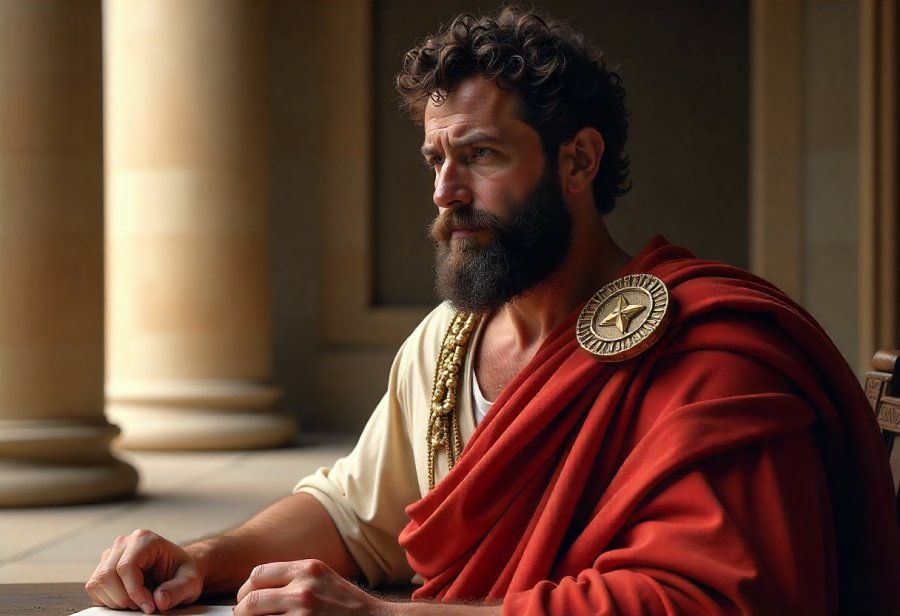
The Shift Toward Inner Virtues in Modern Leadership
Today’s leadership landscape is shifting beyond traditional ideas of authority and external accomplishments. Instead, qualities like emotional intelligence, self-awareness, and mental resilience are becoming essential for effective leadership. These traits, all rooted in inner discipline, enable leaders to manage stress, stay calm in high-pressure moments, and make thoughtful decisions amid chaos. Leaders who cultivate these inner virtues tend to build stronger relationships, foster trust, and inspire loyalty—crucial assets in today’s fast-paced, interconnected world.
Many modern leadership models emphasize influence that goes beyond hierarchy or external rewards. Transformational leadership, for instance, relies on inspiring others through integrity and moral purpose, which require deep self-awareness and inner strength. Similarly, frameworks centered on emotional intelligence highlight the importance of regulating emotions and responding with empathy—skills that are cultivated through inner discipline. These qualities help leaders adapt swiftly, handle uncertainty with confidence, and create a sense of stability within their teams.
Practicing inner discipline daily is reflected in tangible actions. Managing stress during pivotal moments, resisting impulsive reactions, and listening with genuine curiosity are signs of a leader’s inner strength. Small routines like mindfulness exercises or setting clear priorities reinforce resilience, making it easier to stay centered despite distractions. Thoughtful decision-making, especially when stakes are high, demonstrates a leader’s ability to govern thoughts and emotions, building long-term trust and credibility.
The rise of mindfulness, emotional agility, and self-awareness tools has made developing inner discipline more accessible than ever. Leaders now incorporate practices like meditation, journaling, or resilience training into their routines, recognizing that inner strength is a skill that can be cultivated and strengthened over time. Technology, including apps and biofeedback devices, supports this process by monitoring stress and fostering calmness in real time. This shift signals a broader understanding: sustainable leadership depends on internal virtues that can be actively developed.
Despite these advancements, debates persist about what truly defines effective leadership. Critics often emphasize external markers like influence, wealth, or power. However, an increasing number of thought leaders and scholars argue that inner discipline forms the real foundation of long-lasting impact. Leaders who develop resilience and moral clarity are better equipped to navigate crises, inspire trust, and leave a meaningful legacy. As leadership continues to evolve, the emphasis on inner virtues is gaining recognition as a core component of authentic influence.
Looking ahead, the importance of inner discipline in leadership will only grow. As the world becomes more complex and unpredictable, qualities like resilience, moral clarity, and emotional intelligence will be vital for navigating constant change. Emerging technologies and innovative training methods will make cultivating these traits easier and more measurable, embedding inner strength into leadership development at every level. This evolution points toward a future where internal virtues are not just valued but seen as essential for genuine, impactful leadership.
The leaders of tomorrow will be those who prioritize inner discipline as a strategic asset. Their capacity to stay calm, make thoughtful decisions, and act with integrity will set them apart in turbulent times. These qualities will enable them to build organizations and communities rooted in trust, purpose, and stability—traits that endure beyond fleeting trends. As history and current trends show, the most influential leaders are those who understand that true strength begins from within.
Cultivating and Applying Inner Discipline for Effective Leadership
Cultivating inner discipline as a leader begins with establishing daily habits that reinforce self-control, moral clarity, and resilience. Simple practices like mindfulness meditation, journaling, or setting intentional routines create mental space where calmness and focus can flourish. When these routines become ingrained, responding thoughtfully instead of reacting impulsively during high-pressure moments becomes second nature. Over time, this steady foundation makes it easier to stay centered amid chaos, allowing leaders to navigate challenges with clarity and purpose.
Embracing challenges with a growth mindset further strengthens inner discipline. Viewing setbacks as opportunities to learn and improve fosters resilience and patience. Leaders who see difficulties as integral to growth develop a calm persistence that helps them maintain moral integrity, even when faced with adversity. This mindset encourages persistence and keeps them aligned with core principles, guiding their teams through tough times with confidence rooted in inner strength.
Applying inner discipline in decision-making involves deliberate pauses before acting. It means resisting the impulse to respond out of emotion or ego and instead choosing actions aligned with long-term values. Leaders who practice this restraint tend to make wiser choices, weighing consequences carefully rather than chasing quick wins. This thoughtful approach not only fosters trust and respect but also demonstrates a leadership style anchored in integrity, especially in moments of high stakes.
Consistency is crucial. Small daily acts—such as active listening, resisting distractions, or maintaining a steady routine—accumulate into a resilient inner character. These habits gradually shape patience, humility, and moral clarity, making leadership less about external displays of power and more about steadfastness and authenticity. When followers see this consistency, it builds credibility and inspires loyalty, reinforcing the leader’s inner strength.
Moreover, embracing discomfort as part of growth enhances inner discipline. Leaders who seek out challenging situations—difficult conversations, unfamiliar tasks, or personal sacrifices—build emotional resilience. Instead of avoiding discomfort, they use it as a chance to deepen their inner resolve. This willingness to confront adversity head-on cultivates genuine confidence and authentic leadership rooted in moral clarity and purpose.
Developing inner discipline is an ongoing process. It requires intentional effort, reflection, and a willingness to grow through discomfort. Leaders who prioritize this internal work create a foundation that sustains them through crises and uncertainty. Their calm, moral clarity, and resilience become a guiding light—proving that true leadership strength is rooted not in external power but in mastery over oneself.
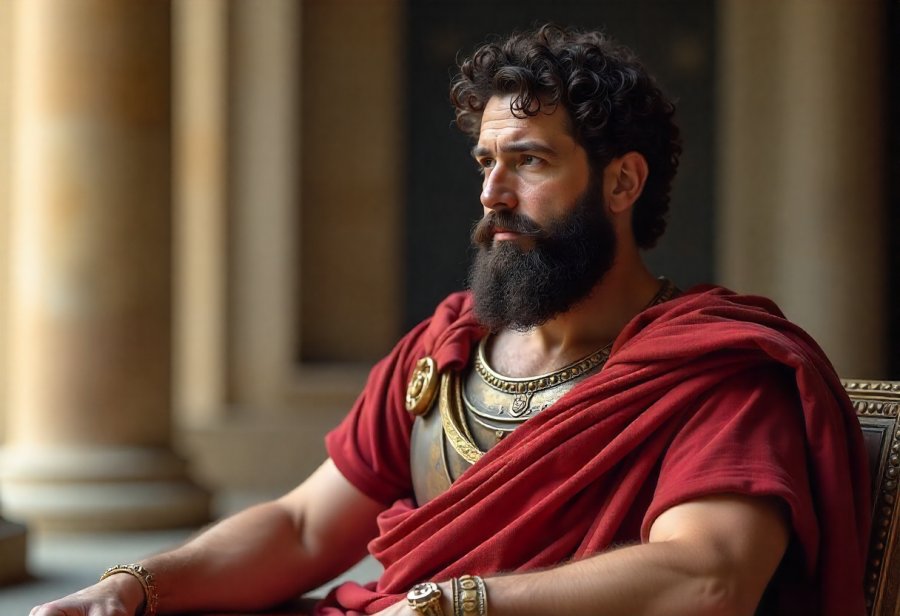
The Future of Leadership: Inner Discipline as the Key to Lasting Impact
Looking ahead, the role of inner discipline in leadership is set to become even more vital as the world grows more complex and unpredictable. Rapid technological advances, interconnected societies, and shifting social landscapes demand leaders who can stay grounded amid chaos. Qualities like resilience, moral clarity, and emotional intelligence—rooted in inner strength—will be essential for navigating challenges with confidence and integrity. Leaders equipped with these inner virtues will be better positioned to make thoughtful decisions, inspire trust, and foster stability in turbulent times.
Innovations in technology are making it easier than ever to cultivate inner discipline. Mindfulness apps, biofeedback devices, and resilience training platforms allow leaders to monitor stress levels, build focus, and maintain emotional balance in real time. This convergence of tech and inner growth transforms inner strength from an abstract trait into a dynamic skill that can be actively developed and measured. As a result, inner discipline becomes a more accessible and integral part of leadership development, fostering a culture of continuous self-improvement.
Leadership models are also evolving to emphasize inner virtues as the foundation of influence. Concepts like authentic leadership and moral courage highlight that true authority arises from internal resilience and clarity of purpose, not just external achievements. Leaders who prioritize inner growth are better equipped to handle crises, inspire loyalty, and create lasting impact. This shift reflects a growing understanding that sustainable influence depends on internal virtues—qualities that remain steady regardless of external circumstances.
In the broader organizational landscape, the future of leadership will increasingly focus on collective inner discipline. Training programs, peer networks, and mentoring initiatives will emphasize inner growth alongside strategic and technical skills. Leaders will be encouraged to share practices, reflect on core values, and support each other’s moral and emotional development. Cultivating a culture of inner resilience and integrity will foster trust, authenticity, and purpose at every level, creating organizations better prepared for ongoing change.
As we move forward, the most impactful leaders will be those who see inner discipline as a strategic asset. Their ability to remain calm, act with moral clarity, and respond thoughtfully to uncertainty will set them apart. These leaders will not only navigate challenges more effectively but will also inspire others to develop their own inner strengths. In doing so, they will shape a leadership landscape rooted in trust, purpose, and resilience—traits that endure long after external circumstances change.
History shows that genuine strength begins from within. Figures like Marcus Aurelius demonstrated that internal virtues—wisdom, self-control, and moral clarity—offer a lasting foundation for influence. The leaders of tomorrow will follow this path, recognizing that the greatest empire a leader can build is the one within. As inner discipline becomes more integral to leadership, it promises a future where authenticity and resilience define true authority, guiding societies through the inevitable turbulence of change.