
In an era where seamless communication can make or break a business, the shift toward customizable telephony solutions has never been more critical. Could your organization benefit from smarter, more flexible devices that scale effortlessly and enhance operational efficiency? Grandstream’s innovative IP phones and cloud management platform illustrate how modern technology transforms traditional voice systems into powerful, adaptable networks. By embracing features like high-definition audio, remote management, and centralized control, businesses can streamline workflows, support remote teams, and reduce operational costs. Yet, challenges remain—network performance issues and device compatibility can threaten to undermine these advantages. Are you prepared to optimize your infrastructure and harness the future of telephony, including AI and 5G? This comprehensive guide reveals how tailored communication systems not only elevate call quality and security but also future-proof your organization in a rapidly evolving digital landscape. Staying ahead means understanding these innovations—and knowing how to deploy them effectively.
Transform Your Business Communication with Customizable Telephony Solutions
In today’s fast-moving business world, clear and reliable communication isn’t just a bonus—it’s essential. Companies depend on their phone systems to connect teams, serve customers, and keep operations flowing smoothly. But as businesses grow and adapt, so do their communication needs. Traditional landlines or basic VoIP setups often fall short when it comes to flexibility, scalability, and supporting remote work. That’s where customizable telephony solutions come in, offering a tailored approach that molds perfectly to your organization’s unique requirements.
Custom solutions go beyond simply selecting different phones or adding lines. They involve designing a communication infrastructure that aligns with your workflows, growth plans, and remote working arrangements. Whether your organization handles high call volumes, needs integration with customer management tools, or requires seamless remote support, a personalized system ensures your telephony works for you—not the other way around. The ability to adapt your system as your needs change is a real game-changer, helping your business stay agile and responsive in a competitive landscape.
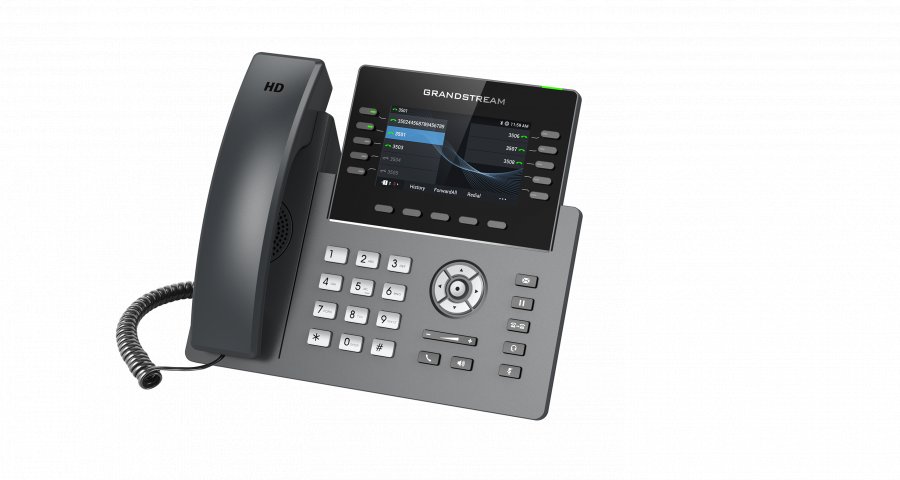
This shift toward tailored telephony reflects a broader trend in business technology: the demand for smarter, more adaptable communication tools. Modern devices like Grandstream’s IP phones exemplify this evolution. They support high-definition audio, Power over Ethernet (PoE), and remote management features, making them suitable for environments ranging from small offices to large enterprises. These devices are designed to integrate smoothly with digital systems, supporting workflows that go beyond traditional voice calls. Such integration helps streamline operations, enhance service quality, and reduce operational friction, giving your organization a clear edge.
Adopting customized telephony solutions offers several tangible benefits. They improve call quality, enable smarter call routing, and simplify device management. They also support remote work, ensuring employees stay connected from anywhere without sacrificing performance. For growing businesses, these systems are scalable—adding new users or locations doesn’t require a complete overhaul. This flexibility saves time and money while giving your organization the tools to compete effectively in today’s digital-first environment.
Choosing the right telephony system isn’t just about hardware; it’s about creating a strategic communication foundation. Cloud-based management platforms like Grandstream’s GDMS make deployment and maintenance straightforward, even across multiple sites. They offer centralized control, real-time updates, and remote troubleshooting, reducing downtime and freeing up IT resources. This level of control ensures your communication network remains secure, reliable, and aligned with your broader business goals, empowering you to focus on growth while your system handles the rest.

Building Blocks of Telephony: Devices, Systems, and Deployment Strategies
Understanding the basics of telephony systems is key to appreciating how customized solutions can truly enhance your business communication. At its core, telephony involves transmitting voice and data over various networks, connecting people across distances whether through traditional landlines, VoIP (Voice over Internet Protocol), or hybrid setups that combine both. Each approach offers its own set of advantages and challenges, making it essential to understand their differences to tailor a system that fits your organization’s specific needs. Landlines are straightforward and reliable but lack flexibility, while VoIP systems are more adaptable, scalable, and support features like remote access and integration with other digital tools.
Devices form the backbone of any telephony infrastructure. From basic desk phones to advanced IP phones, softphones, and mobile apps, the hardware you choose impacts call quality, ease of management, and overall system flexibility. Traditional landline phones are simple but limited in features and remote deployment. IP phones—such as those from Grandstream—offer high-definition audio, Power over Ethernet (PoE), and remote configuration capabilities. These devices are designed to scale and seamlessly integrate with digital systems, making them suitable for small offices, large call centers, or any environment that demands reliable, high-quality communication with flexible management options.
Deployment strategies vary widely depending on your organization’s size, structure, and operational goals. Small businesses often start with simple VoIP solutions that require minimal hardware and quick setup, providing a cost-effective way to improve communication. Larger organizations, especially those with multiple locations, tend to prefer cloud-managed solutions that enable centralized control, remote management, and easier scalability. Some companies opt for on-premises systems to maintain greater control and security, while others choose hybrid models that combine local hardware with cloud platforms. The right choice depends on balancing security, scalability, management complexity, and budget constraints, ensuring your telephony infrastructure aligns smoothly with your broader IT ecosystem.
The evolution of telephony devices reflects a broader trend toward customization and flexibility in business communication. Early analog phones required manual dialing and offered limited features, making them suitable only for straightforward calls. Digital and VoIP systems introduced features like call routing, conferencing, and integration with customer relationship management (CRM) platforms, transforming the way organizations communicate. Today’s IP phones and cloud-based solutions allow businesses to tailor their communication networks to specific workflows—whether handling high call volumes, supporting remote teams, or delivering omnichannel customer service. This adaptability enhances operational efficiency, improves user experience, and allows quick adjustments as business needs evolve.
Effective network planning and management are vital to unlocking the full potential of modern telephony systems. Proper hardware deployment, network configuration, and ongoing maintenance ensure high call quality and security. Prioritizing voice traffic through Quality of Service (QoS), segmenting networks with VLANs, and keeping firmware updated help prevent issues like jitter, dropped calls, or poor audio. Cloud management platforms like Grandstream’s GDMS simplify this process by providing centralized control, remote provisioning, and troubleshooting—allowing IT teams to oversee thousands of devices effortlessly. This proactive approach minimizes downtime, maintains consistent performance, and supports seamless communication, even during peak usage or network congestion.
As telephony technology continues to advance, staying informed about emerging trends is crucial. Innovations such as AI-powered voice recognition, smart call routing, and 5G connectivity promise to reshape business communication further. These developments aim to make interactions more efficient, secure, and automated, giving organizations a competitive edge. Embracing these innovations today means preparing your network for tomorrow’s demands—creating a flexible, resilient, and future-proof communication environment. Ultimately, understanding the fundamentals of telephony systems enables you to make smarter choices, ensuring your business stays connected and responsive in an increasingly digital world.

The Future Today: Innovations and Trends Shaping Telephony Technology
The landscape of telephony technology is advancing rapidly, driven by innovations that make communication smarter, more flexible, and more reliable than ever before. Cloud-managed systems dominate the market, offering businesses the ability to deploy, monitor, and adjust their phone networks across multiple locations with ease. These platforms eliminate many of the headaches associated with traditional hardware setups, providing centralized control, real-time updates, and remote troubleshooting through intuitive dashboards. For organizations seeking scalability and agility, this shift means expanding or modifying their communication infrastructure can happen seamlessly, without the need for disruptive hardware overhauls.
Devices like Grandstream’s IP phones stand at the forefront of this evolution, boasting features that enhance call quality and user experience. These phones support high-definition audio, Power over Ethernet (PoE), and effortless integration with other digital tools. Designed to serve a variety of environments—from small offices to large contact centers—they enable remote management and quick deployment, supporting modern workflows that require flexibility and resilience. The trend toward smarter, connected devices underscores a move away from simple voice tools toward comprehensive communication ecosystems that adapt to evolving business needs.
Market trends emphasize scalability, security, and remote management as essential pillars of effective telephony solutions. Companies want systems that grow with them, without causing disruptions or requiring complex reconfigurations. Robust security features, such as encryption and access controls, are now standard to protect sensitive conversations in an increasingly digital world. Remote management capabilities, often integrated into cloud platforms like Grandstream’s GDMS, allow IT teams to oversee thousands of devices from afar—performing firmware updates, troubleshooting issues, and maintaining performance—without physical access. This reduces downtime, cuts operational costs, and ensures consistent call quality even during peak usage.
Despite these advancements, many organizations face challenges related to network performance and device compatibility. Legacy infrastructure or misconfigured networks can introduce issues like jitter, dropped calls, or poor audio quality, undermining the benefits of modern telephony hardware. Prioritizing voice traffic with Quality of Service (QoS), segmenting networks with VLANs, and keeping firmware updated are crucial steps to prevent these problems. Using advanced routers and switches equipped with traffic management features, such as those from Grandstream, helps ensure a stable, high-quality connection. This proactive network optimization is vital for unlocking the full potential of new devices and features, enabling organizations to deliver a seamless communication experience.
Looking ahead, the telephony industry is poised for further transformation through greater integration and automation. AI-powered features like voice recognition, intelligent call routing, and predictive analytics promise to revolutionize how organizations interact with customers and manage internal workflows. The rollout of 5G networks will enhance wireless reliability and speed, expanding possibilities for mobile and remote communication. Cloud platforms are becoming more sophisticated, offering enhanced analytics, security, and customization options that empower organizations to craft tailored, future-proof communication environments. Embracing these trends now positions businesses to stay ahead of the curve, ensuring their networks are resilient, efficient, and adaptable to ongoing market shifts.
As organizations adopt these innovations, choosing the right hardware and deployment strategies becomes more critical than ever. Devices like Grandstream’s IP phones, combined with cloud management platforms such as GDMS, simplify deployment, scaling, and management while maintaining top security standards. This integrated approach creates a personalized communication environment capable of supporting growth, improving operational efficiency, and delivering a consistent experience across all touchpoints. By staying informed about emerging technologies and best practices, businesses can build a communication system that not only meets today’s demands but also adapts effortlessly to tomorrow’s challenges. The future of telephony is clear: it’s about creating flexible, intelligent, and reliable networks that keep your organization connected—no matter where your team is or how your needs evolve.